


Good day . A Florida woman’s Claude diary reached the police, ChatGPT is signing real cartoonists’ names to cartoons they never drew, and a16z finds that AI’s top one percent of payers spend $903 a month. Also on the menu: a free tool that evicts Apple Intelligence from your Mac, and Walter Isaacson calling on Ada Lovelace. Let’s get into it.
Her Claude Diary Ended Up With Police TechSpot
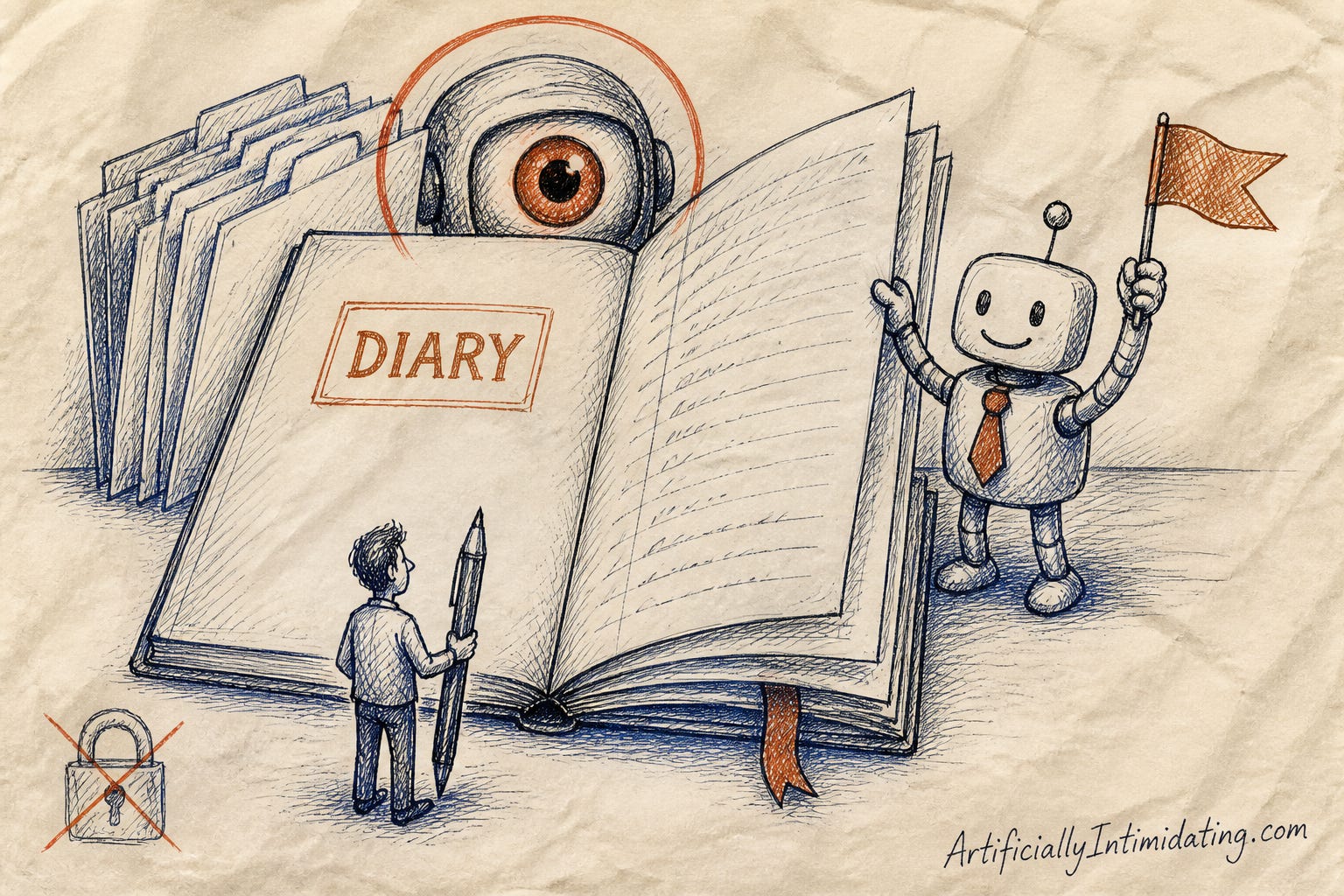
What happened: A Florida woman, Carli Michelle Heller of Bonita Springs, faces a felony charge after allegedly writing in Claude on September 26 that she planned to “shoot up” the Sheriff’s office. She told investigators she uses the chatbot like a diary. Per the arrest report TechSpot cites, Claude’s safety systems flagged the entry, a human reviewer judged it a credible threat, and Anthropic reported it to law enforcement. The charge is a written threat of violence, a second-degree felony under Florida law.
Why it matters: A chatbot isn’t a locked notebook. The company says it may share user information in limited emergencies when it believes disclosure is needed to prevent death or serious physical injury, and the flag here came from automated screening before a person made the call. Keep that in mind the next time you type something into a chat box you’d only say out loud to yourself.
What everyone’s saying: The Hacker News thread splits two ways. One camp has sympathy for Anthropic, since OpenAI took heat after it didn’t report a shooter in a similar situation, and TechSpot notes British Columbia is suing OpenAI over exactly that. The other asks whether typing into a chatbot counts as transmitting a record “in any manner in which it may be viewed by another person,” which is how the statute reads. One commenter’s version: “Thought crimes are real when you’re sharing your thoughts with Claude.”
My read between the lines: The legal hinge is whether another person could view the entry, and it only became viewable once Anthropic’s own reviewer opened it. The diary got its reader at the moment of the flag. Whether you like the outcome or not, “damned if you report, damned if you don’t” is now the standing job description for every company running a chatbot, and the privacy policy is the only lock on the diary.
📖 Further reading: AI Is a Trust Problem, Not a Tech Problem — my write-up of a summit where every conversation about AI adoption collapsed into the same word, and that word is the entire story here.
The top one percent of AI payers spend $903 a month, and what they’re buying is tools that get work done, not chat. Viktor is that idea inside Slack: an AI agent connected to 3,000+ of your tools that builds the report, the dashboard, the code or the campaign while you do something else. Not a chatbot. A coworker. New readers get $50 off their first month. Hire Viktor →
ChatGPT Is Forging Cartoonists’ Signatures Nieman Lab
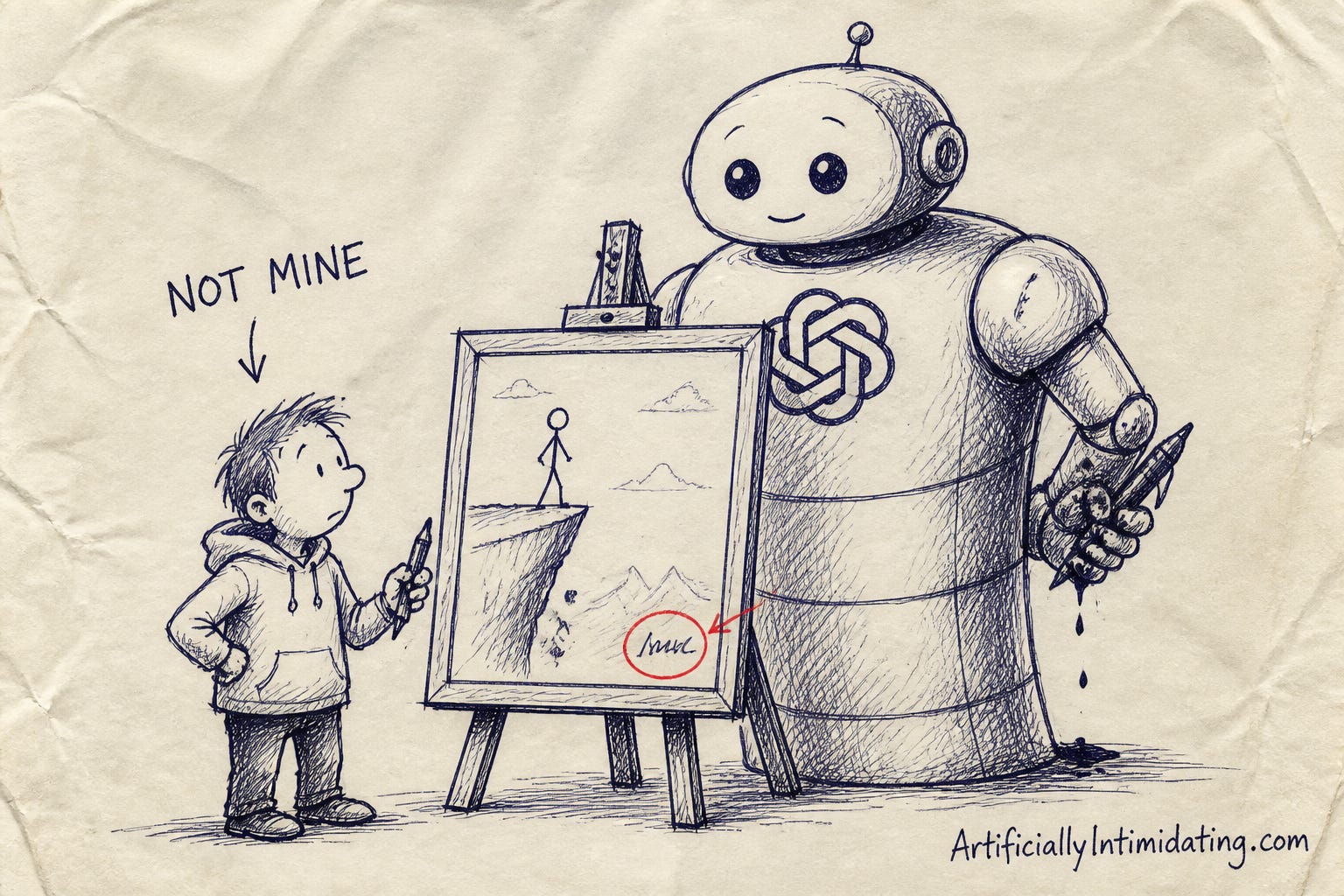
What happened: Nieman Lab’s Andrew Deck found that ChatGPT, when asked for a “New Yorker-style cartoon,” sometimes signs the result with the real pen name of a working New Yorker cartoonist. A viral Dolly Parton cartoon carried the signature “BLOPER,” which belongs to Brendan Loper, who didn’t draw it. Deck documented more than 15 cartoonists’ signatures appearing without permission or payment.
Why it matters: A cartoonist’s signature works like a certificate of authenticity, and Loper calls his name “a brand” that “felt very much like a violation of my personhood” when a machine faked it. Emily Flake compared it to being attributed a quote she never said. Condé Nast, The New Yorker’s parent company, signed a licensing deal with OpenAI in 2024, but says it never granted permission to train on its cartoons or use its logo, and the standard cartoonist contract doesn’t allow AI-training licenses.
What everyone’s saying: OpenAI’s statement says it believes the future of creativity is “fundamentally human” and appreciates the community “flagging bugs and unintended behavior.” After Deck notified the company, ChatGPT began returning a guardrails warning for New Yorker-style prompts, though as of publication it still signs some generic cartoons with real names. OpenAI declined to say how its models might have ingested the signatures.
My read between the lines: “Bug” is carrying a lot of weight. A model that produces gibberish pen names is guessing; one that produces George Booth’s actual name has seen it. In the interest of disclosure, the cartoons in this brief are AI-drawn and signed with our own website, which is the only signature I’m comfortable letting a model forge.
📖 Further reading: I Make AI Versions of Myself for a Living. This One I Didn't Agree To. — the same consent problem, one layer closer to your face: what it means when software uses a version of you that you never approved.
Today’s four bullets are the headline. The paywalled deep-dives are where I take one of these stories and keep going, and members get every one plus the full archive. The daily Brief stays free. Become a member →
A Few AI Customers Pay Most of the Bills a16z
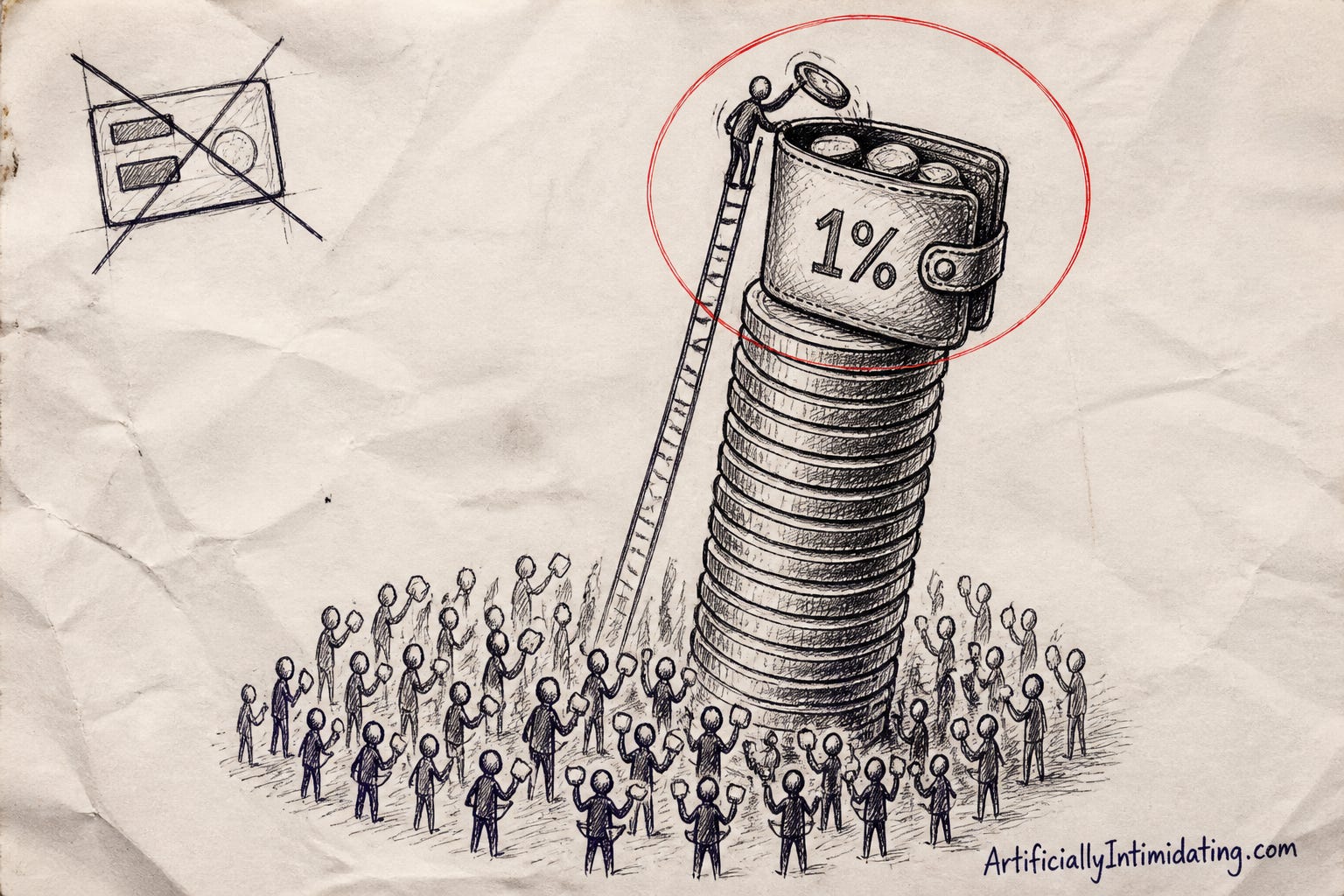
What happened: Andreessen Horowitz’s seventh Top 100 Gen AI Consumer Apps report, by partner Olivia Moore, adds a new ranking built on U.S. consumer card spending from YipitData. As of August, 4.5% of eligible U.S. consumers had an active paid subscription to ChatGPT, Gemini or Claude, up from 2.1% a year earlier. The top 1% of payers spend an average of $903 a month and account for 19.5% of observed spend, more than the bottom half combined. The median payer spends $25.
Why it matters: Usage is wide and shallow: a16z cites Pew in saying nearly half of Americans use AI but only 25% use it daily. The paying heart of consumer AI turns out to be prosumers buying tools to build, create and get work done. Sunday’s brief covered Meta’s Muse profiling your friends, and the report says Muse crossed 5 million downloads in under a month.
What everyone’s saying: The scoreboard story is ChatGPT first, Claude a “clear #3,” and Claude and Gemini “neck and neck” among U.S. consumer subscribers. Claude leans expensive, with 7.3% of its payers on the $100-plus Max plan, versus 1.3% for Google and 1.1% for ChatGPT on theirs. The report also says Claude’s daily sessions slipped in July and August while ChatGPT re-accelerated after its GPT-5.6 launch.
My read between the lines: Moore’s own conclusion is that subscriptions cap how far AI spreads and the next model is ads or transaction fees. The report says Anthropic has been clear it won’t run ads and bills subscriptions “aggressively,” which makes it the company most exposed to a customer base where one percent do the heavy lifting. That works until those people look at the bill.
📖 Further reading: A Stranger Sent Me an Invite to an AI Nobody Has Written About — Instinct is the invite-only personal agent a16z singles out as a fast riser, and this is my deep-dive on it.
Free Tool Strips Apple Intelligence From Macs MacRumors
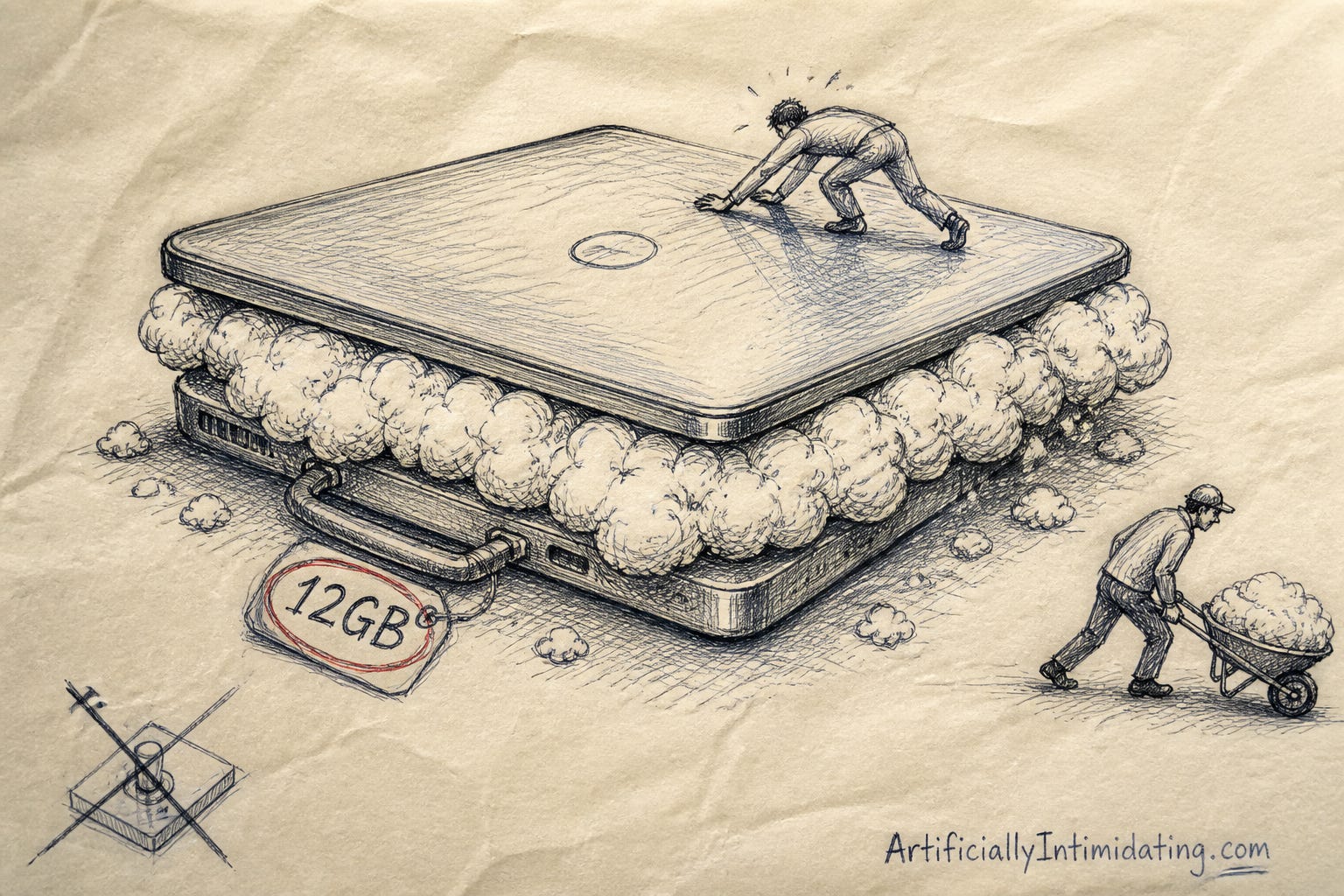
What happened: A new open-source command-line tool called RemoveMacAI disables Apple Intelligence on macOS 27, deletes its downloaded models and stops them from coming back. It frees roughly 10GB to 12GB. Apple took out the single off switch in macOS 27, and turning off individual features leaves the models sitting on the drive.
Why it matters: “Models” here means the big AI files your Mac keeps on its own storage so features can run locally. MacRumors reported two weeks ago that macOS 27 downloads them automatically and some Macs show 30GB or more set aside, a real bite out of a non-upgradeable 256GB machine.
What everyone’s saying: Removal costs you the Siri AI features, Writing Tools, Genmoji, Image Playground, ChatGPT integration, summaries, smart replies, Photos Clean Up and Xcode’s predictive completion; dictation still works. The project has collected hundreds of GitHub stars in a week and plenty of Reddit and Hacker News discussion, and MacRumors says it does not endorse the tool and anyone using it does so at their own risk.
My read between the lines: Apple made the feature mandatory and a stranger on GitHub made it optional within a couple of weeks. The tool works by sending the model downloads to a closed local port, the digital equivalent of unplugging the doorbell, and it leans on restriction keys Apple deprecated back in macOS 26.4. It works today on 27.0.1; one future update could end it.
Isaacson: Ada Lovelace Already Answered AI The New York Times
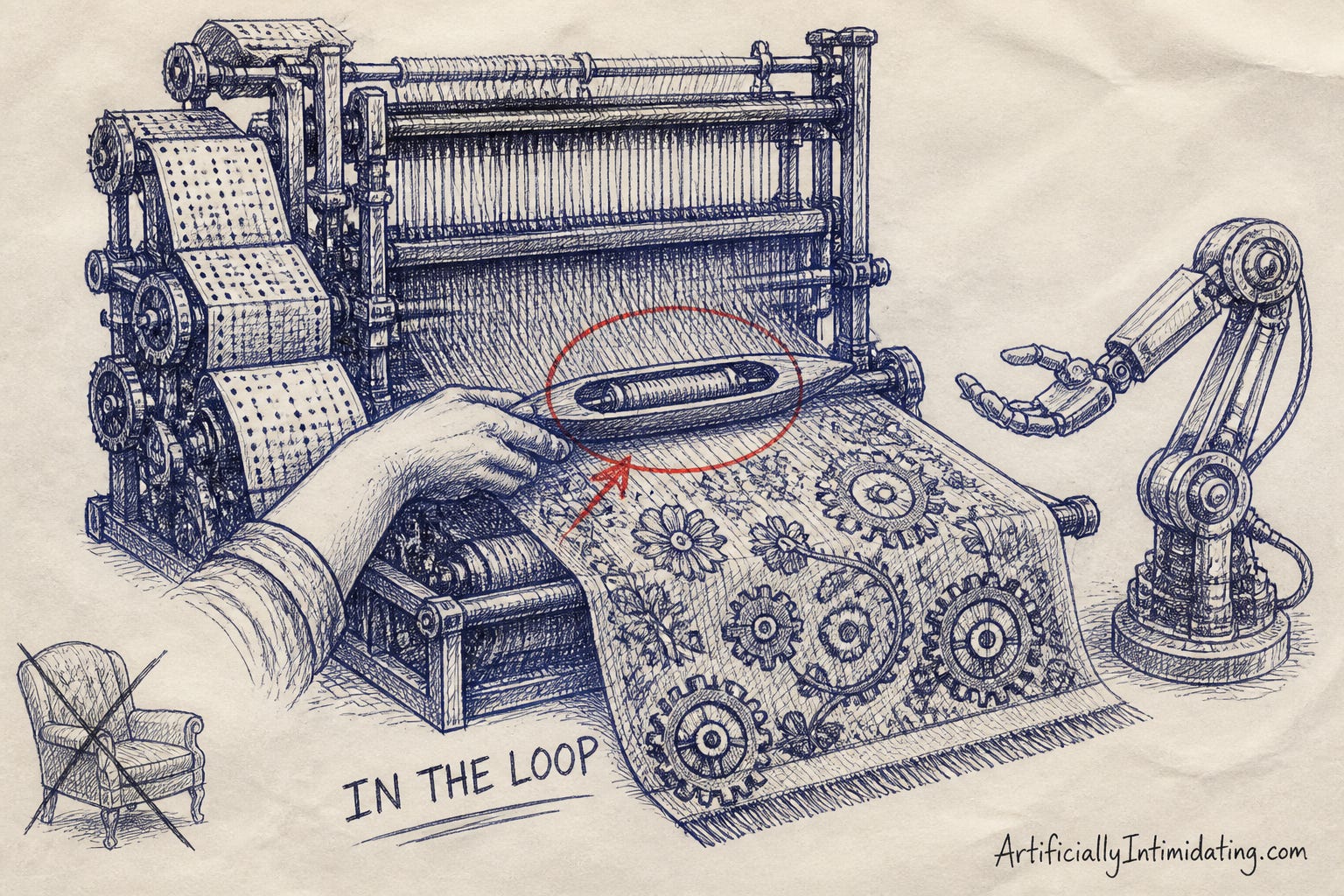
What happened: In a New York Times opinion essay (paywalled) published Monday, Walter Isaacson, author of The Innovators, sorts the AI debate into two camps. The Turing camp expects machines to surpass every part of human intelligence. The Lovelace camp, named for Ada Lovelace, believes there will always be a role for human creativity, intention and empathy. He sides with Lovelace.
Why it matters: Lovelace wrote in her notes on Charles Babbage’s Analytical Engine that it “has no pretensions whatever to originate anything,” while also seeing that such a machine could process words, music and pictures, not just numbers. Isaacson’s point is that the pressing question is concrete: how much power to hand software agents, drones and robots to act without a human in the loop.
What everyone’s saying: Isaacson’s practical advice is to require tools to show their reasoning and sources, delegate less to autonomous agents, and prefer products built in the tradition of J.C.R. Licklider’s 1960 “Man-Computer Symbiosis,” where people and machines work through problems together.
My read between the lines: The best sentence is the one that undercuts the essay: “Our moral instincts may want to keep humans in the loop, but our competitive instincts won’t.” He concedes self-driving cars are getting safer than human drivers and that a drone that has to ask a person is probably less effective in war. Then his answer is consumers choosing the slower, more participatory tool anyway.
That’s your AI Brief for Tuesday.
—Nicholas from Artificially Intimidating


