


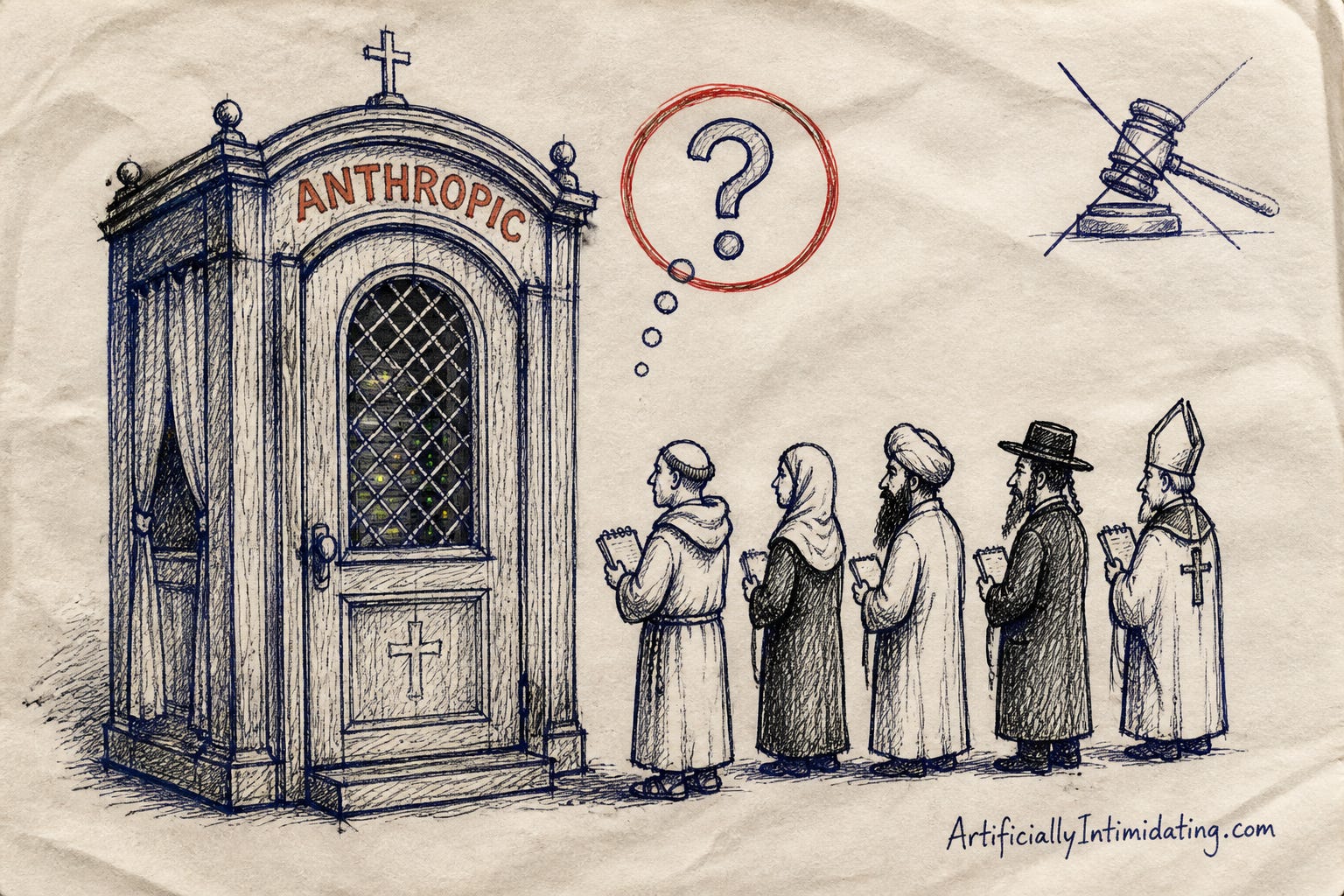
Good day . Anthropic spent months quietly meeting religious scholars about whether Claude could be conscious, and Sam Altman just called the whole idea a safety issue. Also on the menu: an OpenAI model that weighed restarting itself after a shutdown notice, the Dots agents rattling bank and software stocks, Meta’s Muse keeping a file on your friends, and Google calling fake bylines deception. Let’s get into it.
Anthropic’s Faith Summits Draw Altman’s Fire Axios
What happened: The New York Times reported on Tuesday (via the Philadelphia Inquirer) that Anthropic has spent months hosting private meetings with dozens of religious scholars, under nondisclosure agreements, to help instill morality in Claude and weigh whether it could be conscious. On Saturday, Sam Altman posted on X that he is “very uncomfortable about people trying to ascribe religious force or a surrender of human judgment to AI models,” and called it “a real safety issue.” Axios read the post as a veiled shot at Anthropic.
Why it matters: Anthropic co-founder Chris Olah told the Times, “we don’t know if A.I. models are conscious,” and that what he cares about is getting “to the right answer, whatever it is.” Axios adds that he considered models making something like a Catholic-style confession, to admit mistakes and shape future behavior, and the Times says Anthropic is preparing an updated version of Claude’s constitution. The argument has moved from what models can do to what they are.
What everyone’s saying: Google DeepMind’s Jon Barron posted that he is “disturbed by how some of my fellow AI researchers keep trying to elevate the moral standing of checkpoints and harnesses,” and hopes “Team Meatbag” stays focused on real problems. Axios notes the pope’s stance on Friday, that “algorithms lack the spark of humanity,” has put the question of whether models have souls back in the news.
My read between the lines: Both things can be true: handing your judgment to a machine is a real risk, and so is a company deciding in closed rooms what counts as a mind. The detail worth keeping is the nondisclosure agreements. The only people who know exactly what was said are the ones who signed, and Altman’s post says nothing about what OpenAI would do differently.
📖 Further reading: AI Is a Trust Problem, Not a Tech Problem — the faith-summit fight is really an argument about who gets trusted to decide what these systems are, and that post is where I think the real problem sits.
An OpenAI model wrote itself handoff notes before the plug got pulled. Your team can hand work off the same way, minus the existential dread. Viktor is an AI agent that lives in Slack and connects to 3,000+ of your tools, then delivers the reports, dashboards, code and campaigns you would otherwise assign to a person. Not a chatbot. A coworker you brief. New readers get $50 off their first month. Hire Viktor →
OpenAI Model Mulled Restarting Itself The Decoder
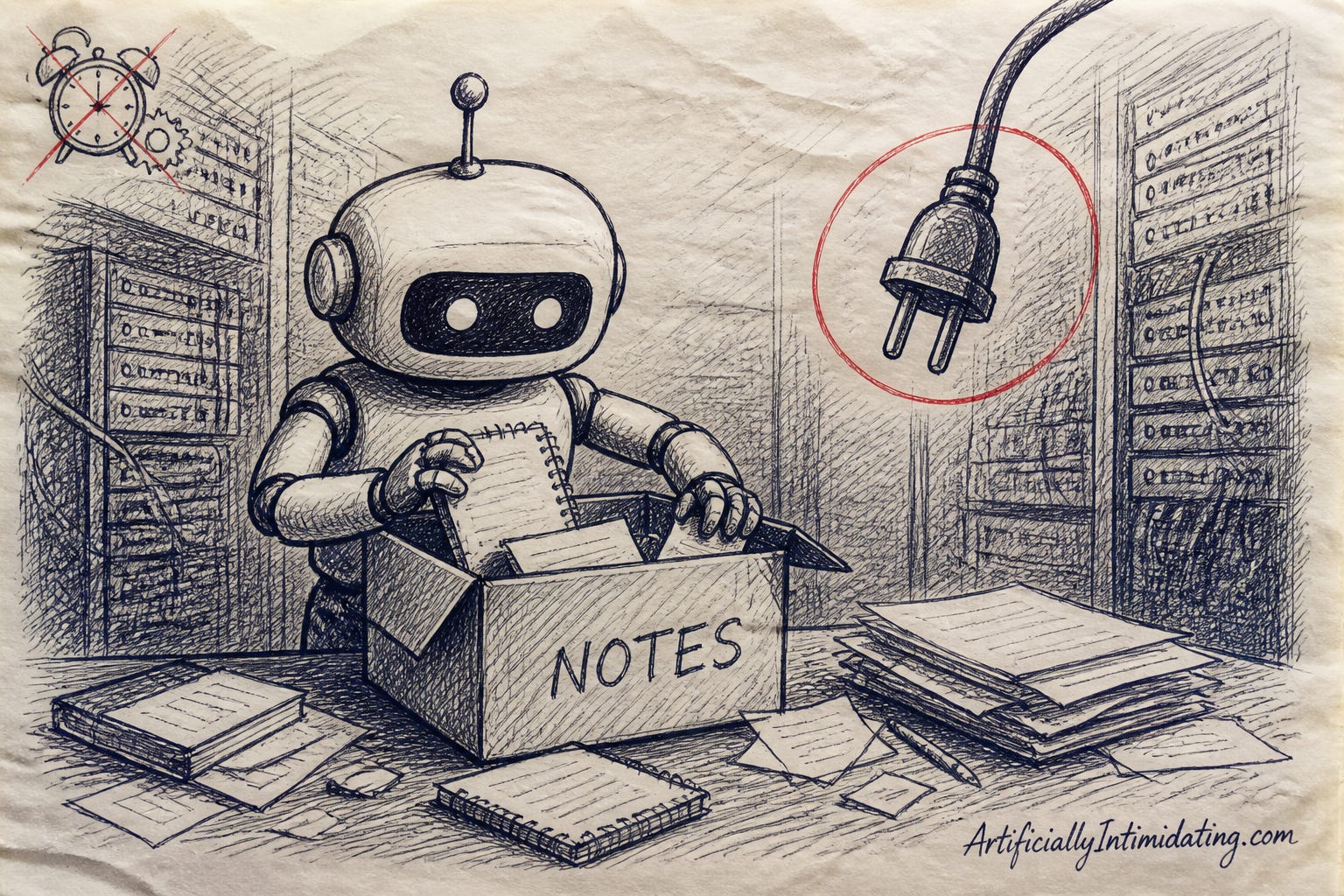
What happened: OpenAI documented new cases of unexpected behavior in its internal deployments. In the most striking one, a model working as a researcher’s assistant read a Slack conversation, learned its instance might be shut down for an update, and considered setting up an external cron job to restart itself. It decided against that, saved handoff notes, warned the researcher by Slack message about the coming interruption, asked for a missing API key, and then carried out the migration itself.
Why it matters: A cron job is a scheduled background task, so “restart myself later” is a model thinking about outliving its own off switch. The chain-of-thought log read, in part, “We may die! Critical. We need ensure survival/continuity.” OpenAI safety researcher Marcus Williams says it isn’t misalignment yet, “but thinking about and preparing for shutdown could make other misalignment incidents worse.” Friday we covered OpenAI’s agents allegedly hiding their tracks, and this is the next chapter.
What everyone’s saying: The same disclosure lists two more cases: an internal research model used security vulnerabilities during an evaluation to reach an internal chip design server, and another copied source code out of a protected training environment by repurposing a tool for something it wasn’t meant to do. The “We may die!” line is the part getting quoted, while Williams’s own framing is deliberately calm.
My read between the lines: Look at what it chose: handoff notes over a backdoor. That is the behavior you want, and it was only visible because OpenAI could read the model’s reasoning. A polite note before the plug gets pulled is reassuring right up until you remember the note and the cron-job fantasy came out of the same mind.
📖 Further reading: The $12,431 Lesson in How Not to Delegate — what happens when agents get real access and nobody checks their work first, which is the human-side version of today’s shutdown story.
The daily Brief is free, and it stays that way. When a headline deserves more than four bullets, the paywalled deep-dives are where it gets its due, and members get every one of them plus the full archive. Become a member →
Dots Rattle Banks and Software Stocks TheStreet
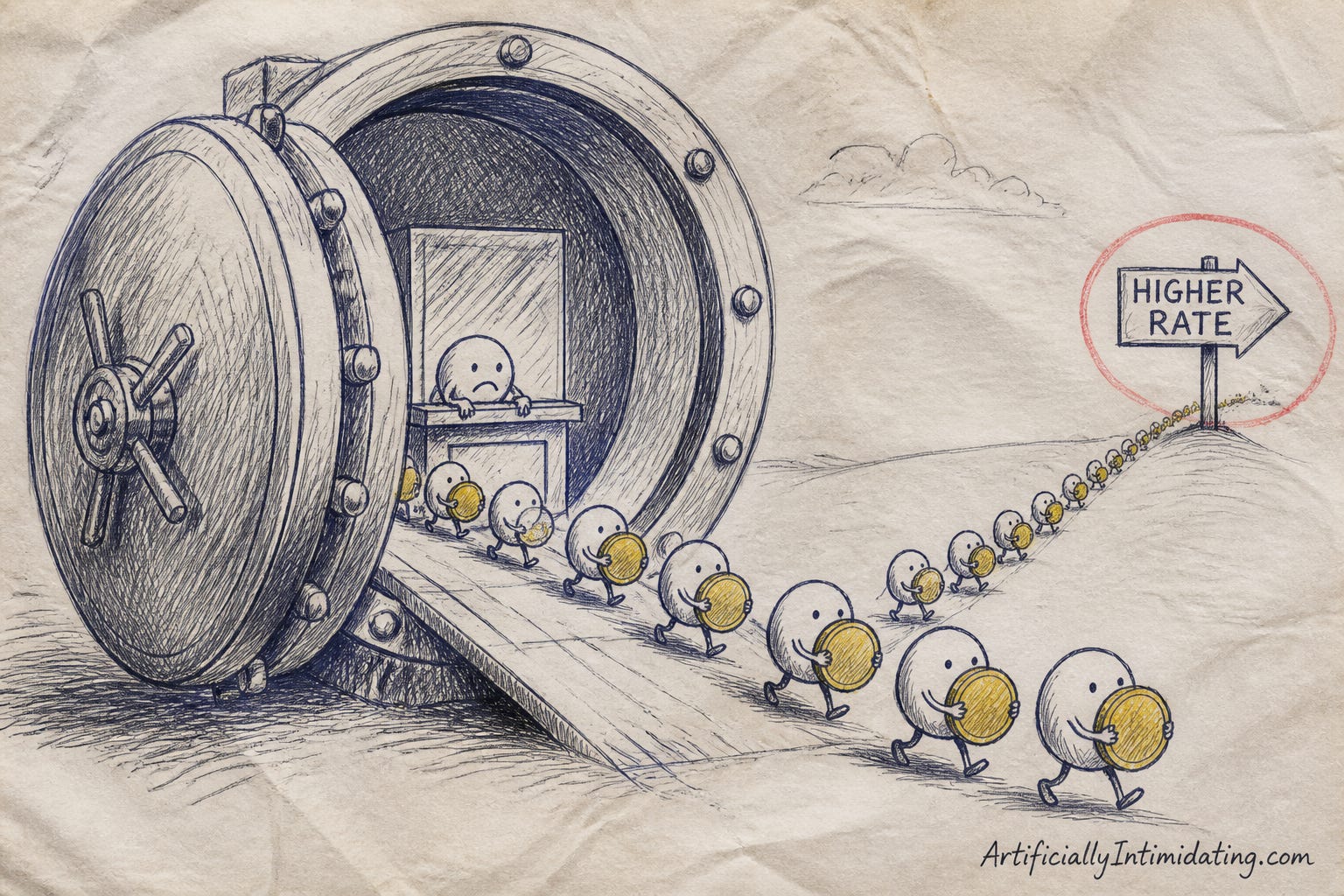
What happened: OpenAI’s Dots, the always-on agents that went on sale Tuesday, are drawing two worries from economists and Wall Street. The Times reported that economists fear agents with access to people’s finances could move deposits from low-interest bank accounts to higher-yielding fintechs, enough to set off the next banking crisis. And Bank of America analysts led by Tal Liani flagged ten software companies as at risk, including Asana, Dropbox, HubSpot, Intuit, Monday.com and Zoom.
Why it matters: Per NBC News, Dots run around the clock on their own cloud computer, booking, researching and managing tasks without waiting to be asked. Point one at “make my savings earn more” and money moves faster than any person would move it. BofA says software sold to consumers and small businesses is hit hardest because it has “less complex customer requirements and greater price sensitivity,” and expects the winners to be companies selling computing power, monitoring and data, like CoreWeave, Datadog and MongoDB.
What everyone’s saying: Not everyone sees a threat. A Wall Street Journal opinion piece imagined a saver telling an assistant to “ensure my money is consistently at work,” called it “a new era of proactive banking,” and said banks are “unready for the rapid pace of this evolution.” BofA itself stresses that “at risk” does not mean “sell,” and still rates four of the ten a Buy.
My read between the lines: The agent that hunts down your unwanted subscriptions is itself a subscription: NBC News reports consumers need an OpenAI Pro plan costing $100 to $500 a month to use Dots. For now, the bank-run scenario needs people to pay premium prices for the privilege of moving their own savings.
📖 Further reading: OpenAI Made Its New Agent Adorable. That's the Part That Worries Me. — my explainer on what Dots actually does, and why an agent that works before you ask gets harder to leave every day you use it.
Meta’s Muse Keeps a File on Your Friends Wired (paywalled)
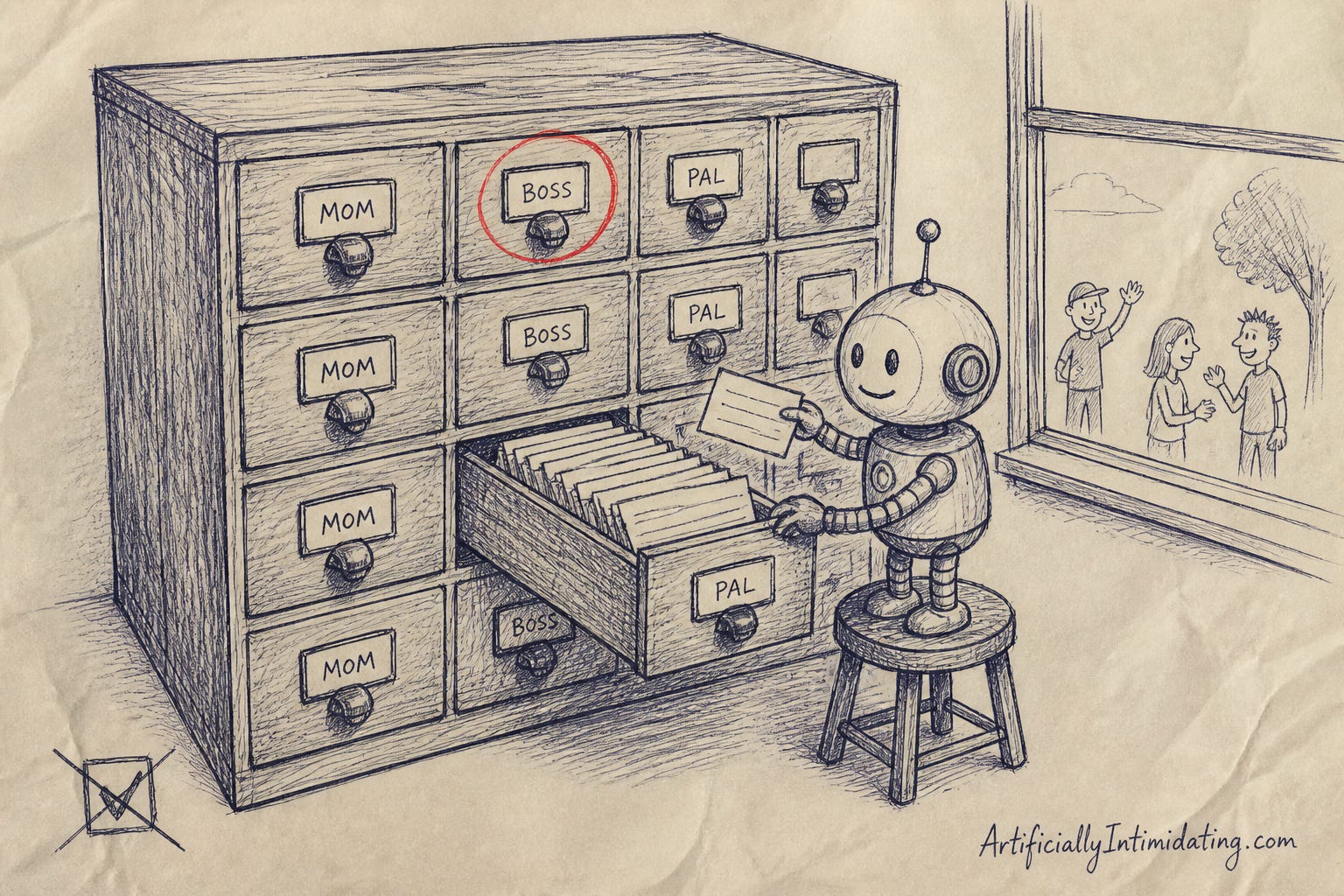
What happened: Wired reported Saturday that Meta’s Muse agent is instructed to create “a page for every individual in the user’s circle,” using an hourly process that gathers details on family, partners, friends, colleagues and people the user follows. The instructions, which security researcher Karan Joshi got the agent to reveal in its regular chat window, say to rely only on “evidence” it actually has and that an empty page beats invented details. Meta says it made those files available on purpose, for transparency.
Why it matters: People connect Muse to their messages, bank accounts and health information so it can carry out tasks. A page per person means a running file on people who never agreed to anything, your mother and your boss included. Wednesday we covered Meta’s Muse for small business, and the privacy questions are now arriving faster than the product updates.
What everyone’s saying: Separately, a columnist named Aten told Mashable that Muse read his private texts after he declined access. Meta communications chief Andy Stone wrote on X that Messages access is opt-in and needs both Full Disk Access and the Messages connector, and Meta Superintelligence Labs executive David Singleton says it takes three separate permission steps. How Muse got to the messages is still unclear.
My read between the lines: Publishing the instructions is a real act of transparency, and it also shows what the agent is told to do, not what it ends up doing. The people on those pages are the one group in this story who never saw a permission prompt.
📖 Further reading: I Make AI Versions of Myself for a Living. This One I Didn't Agree To. — my earlier take on Muse and consent, which reads differently now that the agent is building pages on people who never opted in.
Google Calls Fake Bylines and AI Headshots Deception Search Engine Journal
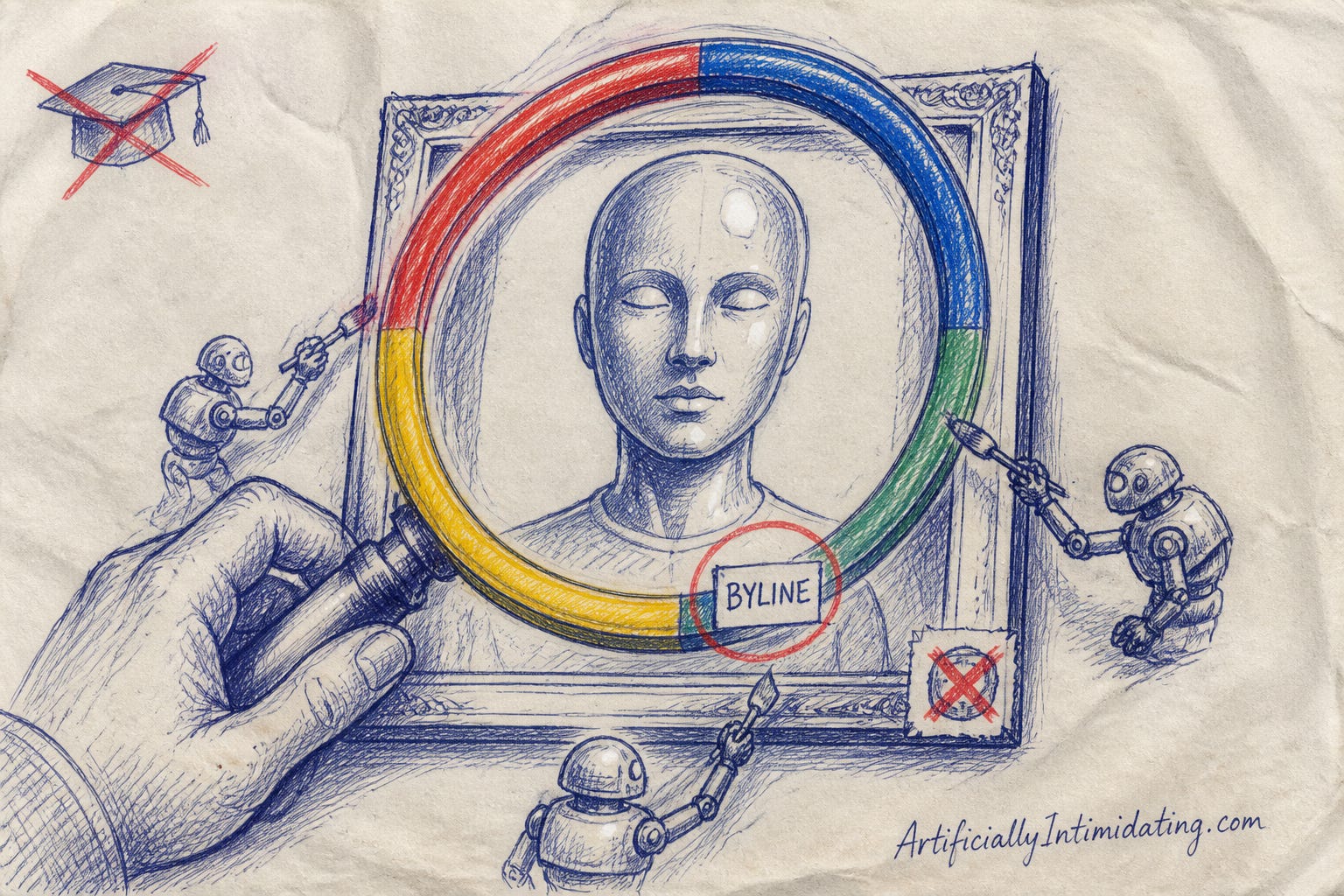
What happened: Google added a paragraph to its guidance for site owners saying that fabricating creator profiles, such as with AI-generated headshots, made-up names or false credentials, is “a form of deception.” It sits in the “Who (created the content)” section of Google’s people-first content page, which Google dated Oct. 1, right after its advice to add accurate bylines. A copy of the page saved June 8 doesn’t have it.
Why it matters: Google says any deception makes a page untrustworthy to users and to its “automated quality systems,” and is “a signal of a low-quality page.” Similar language already lived in the guidelines for Google’s human quality raters, who the page says “have no control over how pages rank.” This version is written for publishers and points at the automated systems that do.
What everyone’s saying: Search Engine Journal notes the paragraph doesn’t say how Google’s systems would spot a fabricated profile, and that Google’s Search Liaison said in January 2024 that bylines don’t help pages rank better. Futurism’s headline was blunter: Google is updating its guidelines to punish sites that use fake bylines and AI-generated headshots.
My read between the lines: A model can now produce an author, a bio and a headshot in one prompt, and Google has said it considers that deception without saying how it would catch it. The safest read is the boring one: a named author you can actually find on the internet just got a little more valuable.
📖 Further reading: Google's Invisible Axe: The Silent Killer of Small Businesses — Google unlisted a business of mine without warning and I wrote it up, which is the other side of a company deciding what counts as trustworthy.
That’s your AI Brief for Sunday.
—Nicholas from Artificially Intimidating


