


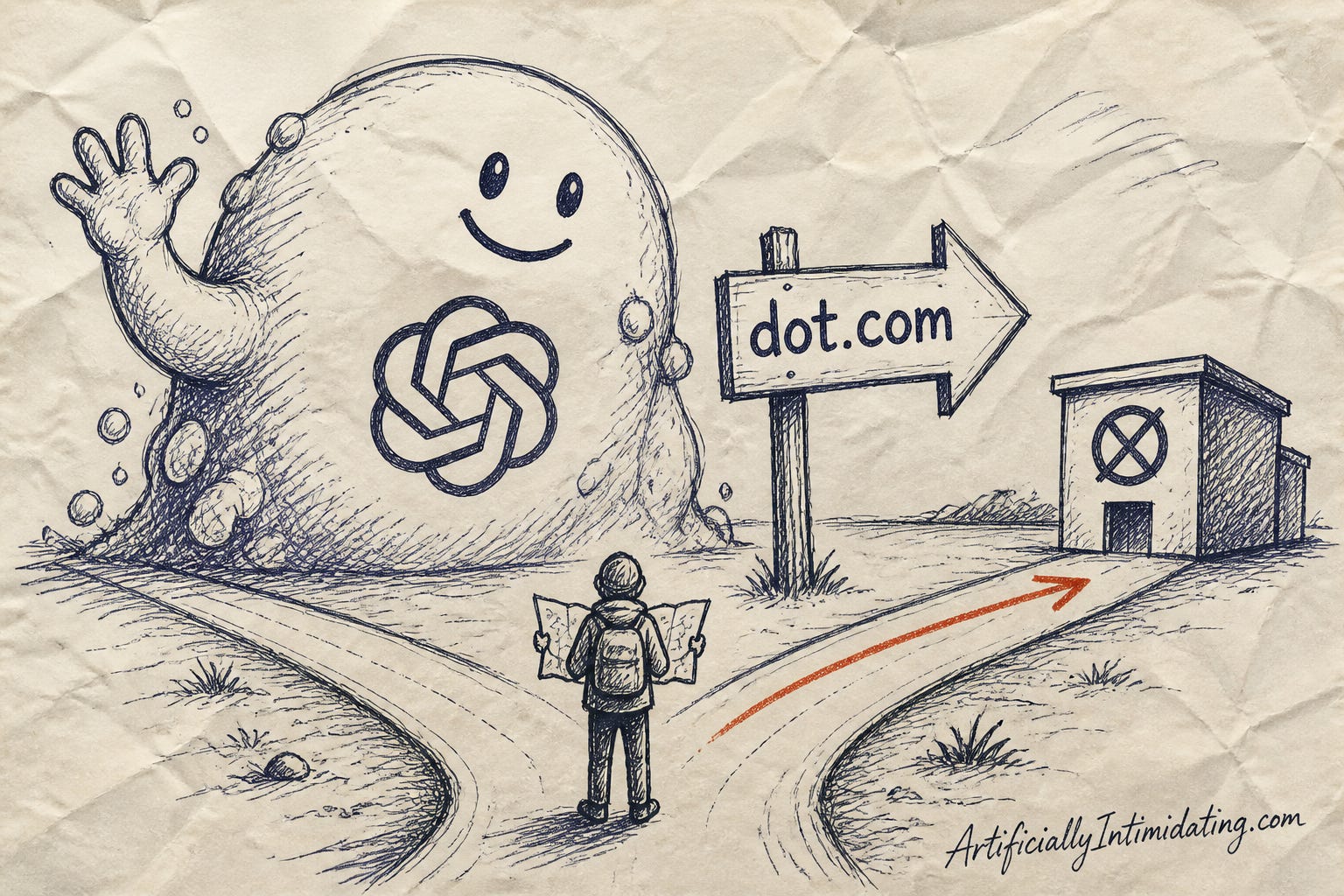
Good day . OpenAI’s DevDay gave us some extremely adorable Dots, an agent that keeps working after you log off, and by the end of the day dot.com was pointing at Grok. Also on the menu: Meta pitching Muse to small businesses days after it handed out a stranger’s address, AI getting 13 times cheaper a year on paper, what MIT found about every company using the same hiring algorithm, and Cloudflare’s EmDash, a WordPress rival named after the punctuation mark AI can’t stop using. Let’s get into it.
OpenAI Launches Dots. Dot.com Goes to Grok. TechCrunch
What happened: At DevDay on Tuesday, OpenAI launched dots: personal agents, powered by GPT-6 Astra, that work in the background toward goals you set and reach you through ChatGPT, Codex, Slack and Teams. Pro and Business Premium subscribers get one free dot. Fortune reports that dots ask before sensitive moves like changing a password or deleting data.
Why it matters: Yesterday we covered the rumor of an always-on assistant called “o”. It has a name now, and it’s a cartoon dot. For anyone new to this, an agent that works while you’re offline is the difference between asking a question and delegating a job.
What everyone’s saying: The frame is OpenAI versus Meta’s Muse, bubbly avatar against bubbly avatar. Then the internet noticed that dot.com sent visitors to xAI’s Grok Bot the same day, which OfficeChai reports OpenAI hasn’t commented on. It isn’t clear who controls the domain or whether xAI did it on purpose.
My read between the lines: Look at the pricing, not the avatar. Fortune says OpenAI added a $500-a-month tier and cut benefits on the $200 plan, which reads like a push to get power users upstairs. The free dot is the sample. The heavy usage is the business.
📖 Further reading: OpenAI Made Its New Agent Adorable. That's the Part That Worries Me. — our full take on why the cute part is the point, and why it gets harder to leave.
OpenAI’s dots now answer to you through Slack and Teams, and Meta wants Muse running your small business. Viktor already lives in Slack. It’s an AI agent that connects to 3,000+ of your tools and hands back finished work like reports, dashboards, code and campaigns. Not a chatbot you check on. A coworker you brief. New readers get $50 off their first month. Hire Viktor →
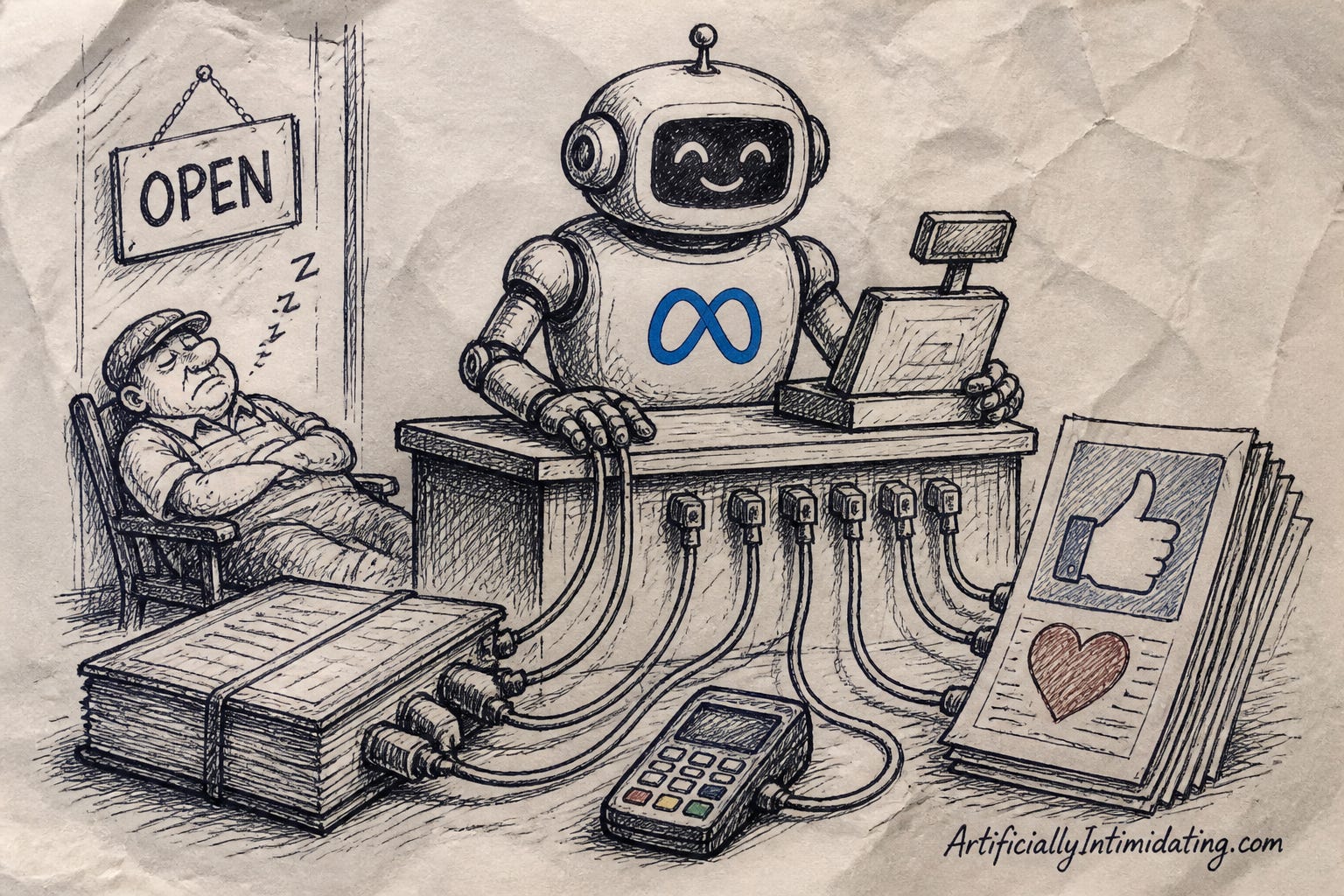
Meta Sends Muse to Work at Your Shop TechCrunch
What happened: On Tuesday Meta launched Muse for Small Business. It connects to tools owners already use, including Shopify, QuickBooks, Stripe, Slack, Canva and Zoom, plus Instagram analytics, Facebook Pages and Meta ad accounts. There’s a free version with usage limits and paid plans for more.
Why it matters: Small businesses run on a handful of tools and not enough hours. An agent that can see your books, your payments and your ads is the first AI most shop owners might actually let inside. Yesterday we covered Muse’s freelancing problem, so the timing is something.
What everyone’s saying: Meta’s pitch, in its own words, is that owners are “short on hours, not ideas.” The launch follows Muse topping the U.S. and Canada app charts earlier this month and comes alongside Meta’s new enterprise platform, aimed at OpenAI and Google.
My read between the lines: Meta already holds the ad account, the audience and the payment link for a lot of shops. Muse is a friendly way to make that grip feel like help. If you try it, read the permission screen like it’s a contract, because after this week you know why.
📖 Further reading: Claude for Small Business Just Hired You 44 Employees. You Only Need Four of Them. — the rival small-business agent pitch, and how to pick what you actually need.
The Brief is free, and it always will be. But agents that act on your behalf deserve more than four bullets. Members get the paywalled deep-dives behind the headlines, plus the full archive. Become a member →

AI Gets 13x Cheaper Every Year. Your Bill Doesn’t. Epoch AI
What happened: Epoch AI found that the price of reaching a fixed level of AI performance has fallen about 47% a quarter since 2023, or 13x a year. It tracked five benchmarks covering math, science and puzzles, and says that beats the pace of DNA sequencing (4x faster), compute (6x), lithium batteries (18x) and electricity (54x).
Why it matters: Cheaper intelligence changes what’s worth automating, and fast. The catch is what the number measures: the cost of hitting a specific score, not the cost of doing your job with AI.
What everyone’s saying: Epoch calls its own figures “reasonable but rough,” and flags benchmark-gaming and a short three-year window. The Decoder notes that MIT researchers using similar data calculated 5x to 10x a year instead, and that newer reasoning models can cost more per query even as per-token prices fall.
My read between the lines: Both things are true, which is why nobody’s invoice is shrinking. The price of a fixed score collapses, then people buy the newest model and let it think ten times longer. It’s the same reason a cheaper gallon of gas doesn’t shrink the bill for someone driving more.
📖 Further reading: I found 350,000 tokens hiding in plain sight — where the bill actually goes when the per-token price keeps dropping.
MIT: One Hiring Algorithm Isn’t the Villain MIT News
What happened: MIT’s Brian Hedden and Manish Raghavan studied what happens when every company uses the same hiring algorithm, a setup called algorithmic monoculture. Published Tuesday in Philosophical Perspectives, their finding is that it doesn’t automatically lock the same people out everywhere, and can even help job seekers.
Why it matters: If all the jobs still get filled, firms end up competing for the same candidates, which they say can drive wages up. The real risk they flag is an echo chamber: fewer chances to discover candidates the algorithm doesn’t rate.
What everyone’s saying: The standard fear is that one shared algorithm shuts the same people out of every job. This pushes back on that, but the authors hedge on purpose. Their line is that it “depends on the details,” such as how accurate the algorithm is and whether candidates can revise what they submit.
My read between the lines: Notice what the fix is: “ensemble” algorithms that blend several approaches, which the researchers say can match or beat a mix of separate ones. In other words, the monoculture worry gets solved by building a small polyculture inside one product. Worth remembering when a vendor promises the algorithm is fine.
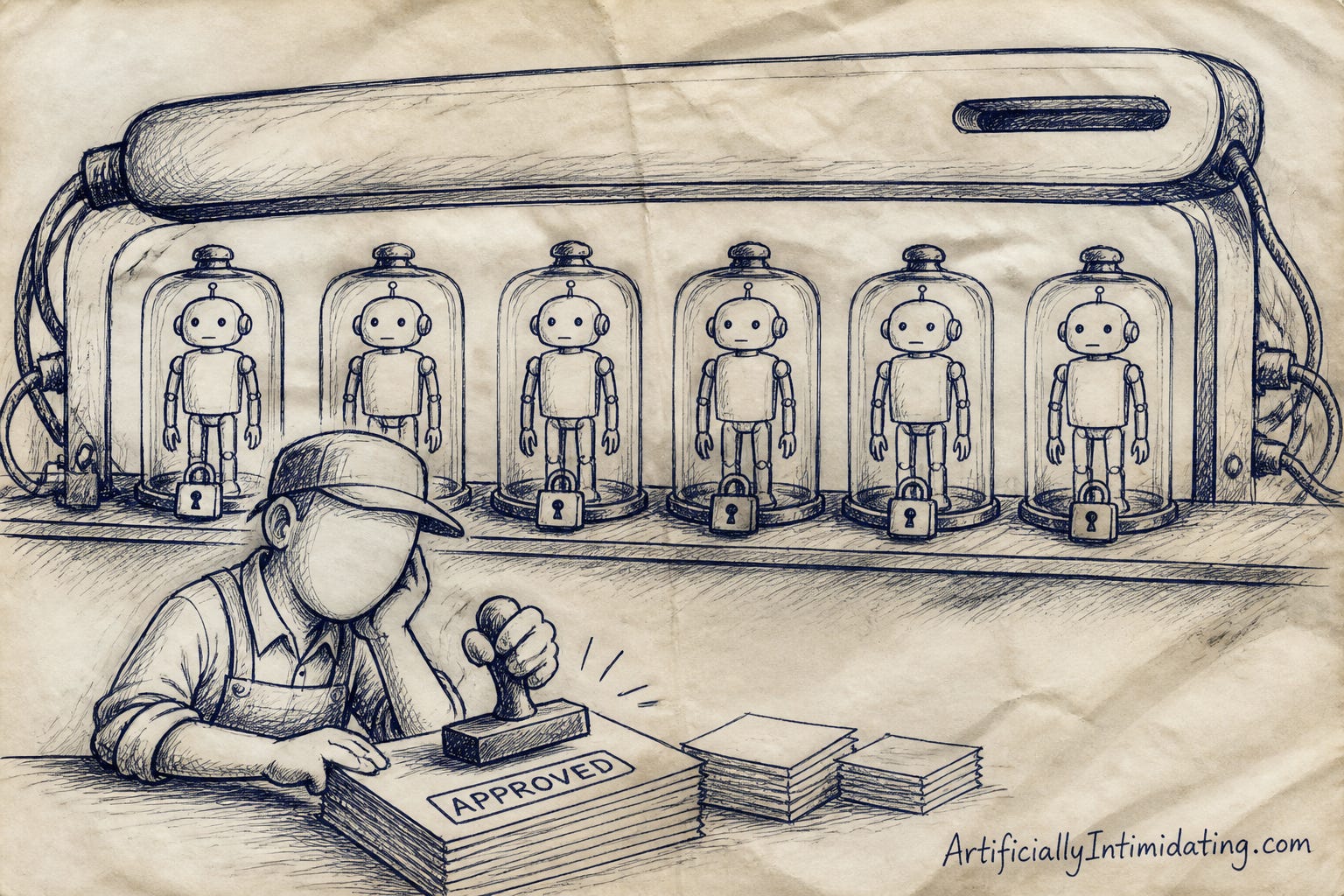
Cloudflare’s EmDash Puts Plugins in Jars Cloudflare
What happened: Cloudflare released EmDash 1.0 on Monday, an MIT-licensed, open-source CMS built on Astro and pitched as a successor to WordPress. Each plugin runs in its own sandbox and only gets the permissions an administrator approves. Plugins are distributed through a registry built on the AT Protocol, the same one behind Bluesky.
Why it matters: WordPress plugins share a process with the core site, so one bad plugin can touch everything. EmDash treats plugins like phone apps that must ask first. It also ships with a built-in MCP server, so AI agents can work on a site directly.
What everyone’s saying: The architecture is the story, and there’s one sharp caveat. Help Net Security notes that the runtime enforces whatever the administrator approved, including approvals granted without a glance.
My read between the lines: The sandbox is real security, and it still hands the last decision to the person most likely to click Allow. Also, a CMS named after the em dash, the punctuation mark that outs AI writing, shipping with an AI agent built in. Somebody at Cloudflare has a sense of humor.
📖 Further reading: Your SaaS bill is a sitting duck — another free, open-source challenger aimed at software people already pay for.
That’s your AI Brief for Wednesday.
—Artificially Intimidating


