

Every new creative tool was supposed to kill real art: the printing press, the piano, the microphone, the tape machine, the 808, and now AI. None of them did.
John A.C. Hardin is a Senior Fellow at the Abundance Institute, a historian, a working musician, and the writer of the Creative Frontiers newsletter. A few weeks ago I watched him run a panel on AI and music in a basement on the Lower East Side. He opened with a story about Bing Crosby, Les Paul and one tape machine, and I've been thinking about it ever since. So I asked him on the show to keep going.
We get into why Bing Crosby funded tape so he could play more golf, a monk who was sure the printing press would destroy culture, the drum machine that flopped its way into defining hip hop, why the player piano created more piano teachers, Barry Manilow's synthesizers and the Broadway "walkers," karaoke, the moonwalk, sampling as theft or tribute, Bad Bunny and the dembow lawsuit, and what all of it suggests about AI, ownership and creative work. John also doesn't let me off easy: the disruption is real, and people do lose their jobs.
Chapters
0:00 Intro: every tool was going to kill art
1:14 Meet John Hardin
3:34 Bing Crosby, Les Paul and the tape machine
7:55 The printing press panic, and the script that keeps repeating
9:32 Pianos, valves and metronomes: "the end of music"
12:35 Photography, Kodak and a camera for everyone
14:46 How AI gave a photographer new superpowers
19:56 How John uses AI: writing and a Suno theme song
23:03 Who owns an AI-assisted song?
25:11 The 808: a commercial flop that defined hip hop
27:35 Parody songs, and is it worth it?
28:56 Why AI labels are "fairly useless"
30:43 AI and the business side of being an artist
32:57 The disruption is real: Barry Manilow and the "walkers"
34:48 Net positive: karaoke and the jobs nobody predicted
36:07 "This is so dumb": the first internet video I ever saw
41:33 From civil engineering to storytelling
43:40 Is copyright a barrier or an incentive?
45:14 The player piano made more piano teachers
46:52 Training data and owning what you learn
49:04 McCartney, Michael Jackson and the Beatles catalog
49:40 Deepfakes, the NO FAKES Act and owning your face and voice
51:08 Suno as an instrument
52:34 Herbie Flowers, A Tribe Called Quest and who gets paid
53:35 Anthropic, the books and the $3,000 settlement
54:20 How copyright grew out of the written word
55:50 What if you could copyright a style?
56:37 One legal decision's butterfly effect
58:12 The moonwalk, and dance moves nobody owns
59:08 Jokes, comedians and borrowed bits
59:59 Recommendations: Arewa, McLuhan and The Dispatch
1:02:23 Les Paul, "Lover" and the multitrack leap
1:05:00 John Mayer and an old nightlife photo archive
1:05:53 Sampling: theft or tribute?
1:07:10 Who owns AI-made work?
1:08:07 Bad Bunny and the dembow lawsuit
1:09:18 Where to find John
About John
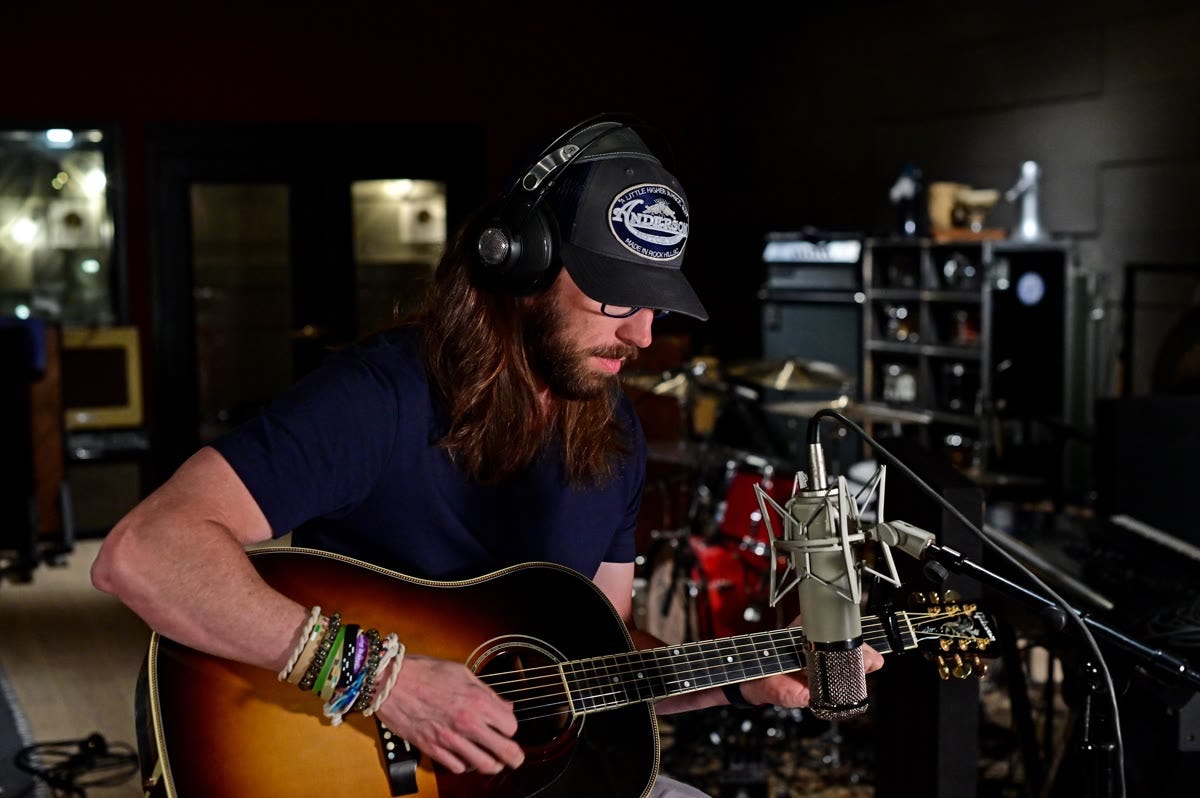
John A.C. Hardin, Ph.D. is a Senior Fellow at the Abundance Institute, where he leads Creative Frontiers, an initiative focused on artists, technology, and the future of creative work in the age of AI. A historian, musician, and engineer by training, he studies how new tools reshape who gets to create. His writing has appeared in The Wall Street Journal and The New York Times, and he is the author of Church Advertising, Public Relations and Marketing in Twentieth-Century America: Retailing Religion. He holds a PhD in U.S. history and lives in the Carolinas, pickin' and singin' whenever possible.
John's writing we talk about
The Golfer and The Grinder: Bing Crosby, Les Paul, and a box from Nazi Germany
The Drum Machine that Sounded Fake, then Changed Music (Roland TR-808)
Bad Bunny and the Billion-Dollar Drumbeat (Borrowed Genius, Part 1)
Michael Jackson Didn't Invent the Moonwalk (Borrowed Genius, Part 2)
The 1925 New Tech That Let a Legend Invent a New Sound (Duke Ellington and the microphone)
Also mentioned
My write-up of the panel where I met John, Everyone's Job Looks Easy From the Outside
Olufunmilayo Arewa, "From J.C. Bach to Hip Hop: Musical Borrowing, Copyright and Cultural Context"
Everyday Abundance with Virginia Postrel and Charles Mann (John wrote the theme)
Les Paul & Mary Ford, "Lover" and "How High the Moon"
John Mayer, Where the Light Is: Live in Los Angeles
Correction
At 1:05:26 I say a Washington Post article showed training data "from where OpenAI got it." The Post's 2023 analysis actually covered Google's C4 dataset, which was used to train Google's T5 and Meta's LLaMA. OpenAI does not disclose its training data. Washington Post analysis.
Support the show
Viktor, $50 off your first month
Full transcript
Lightly cleaned (filler words removed). Timecodes match the episode.


