

⚡ Update — July 2, 2026:
Fable 5 is back. The government lifted the ban after 18 days, and the model returned globally on July 1 — but not before a warning from Amazon, an NSA assessment, a China scare, and a quiet new rulebook for the whole industry. Read the full follow-up: Fable 5 Is Back — What Actually Happened During the 18-Day Ban →
Nate B. Jones broke this one from an airplane — first class, calm as ever — because it couldn’t wait for wheels-down. He was right. On June 12, the US government forced Anthropic to pull its two most powerful AI models offline for everyone on Earth. This is the first time a frontier model has been rolled back by government order. Here’s the story, his read, and then mine — including the part nobody’s saying out loud.
Watch Nate break it first
Before anything else: credit where it’s due. Nate B. Jones filmed his breakdown from a plane because the story was moving too fast to wait. That tells you everything about how big this is. If you have nine minutes, watch it — it’s the clearest calm-in-the-storm explainer out there:
▶️ Nate B. Jones: “I’m filming this from a plane because this is unprecedented”
What I love about Nate is that he doesn’t do panic. He does precision. So I’m going to give him full credit for surfacing this, walk you through what actually happened, summarize his three-layer read, and then get into the part that’s been rattling around in my head since I watched it: what this really says about the haves, the have-nots, and the future we’re walking into.
What actually happened, in plain English
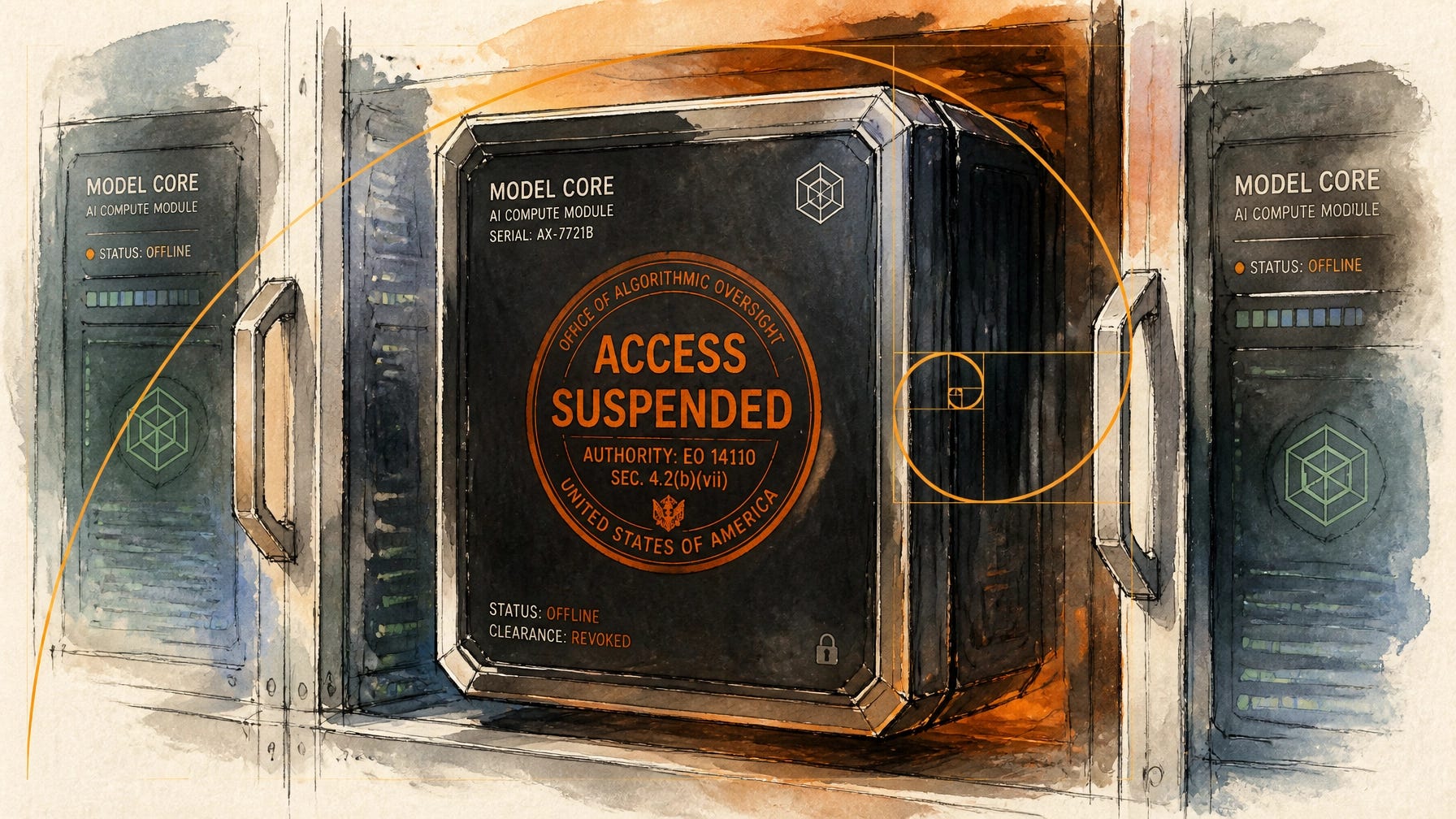
On Friday, June 12, 2026, at 5:21pm ET, Anthropic received an export control directive from the US government. Citing national security authorities, the order suspends all access to Fable 5 and Mythos 5 — Anthropic’s two most advanced models — by any foreign national, whether inside or outside the United States, including Anthropic’s own foreign-national employees.
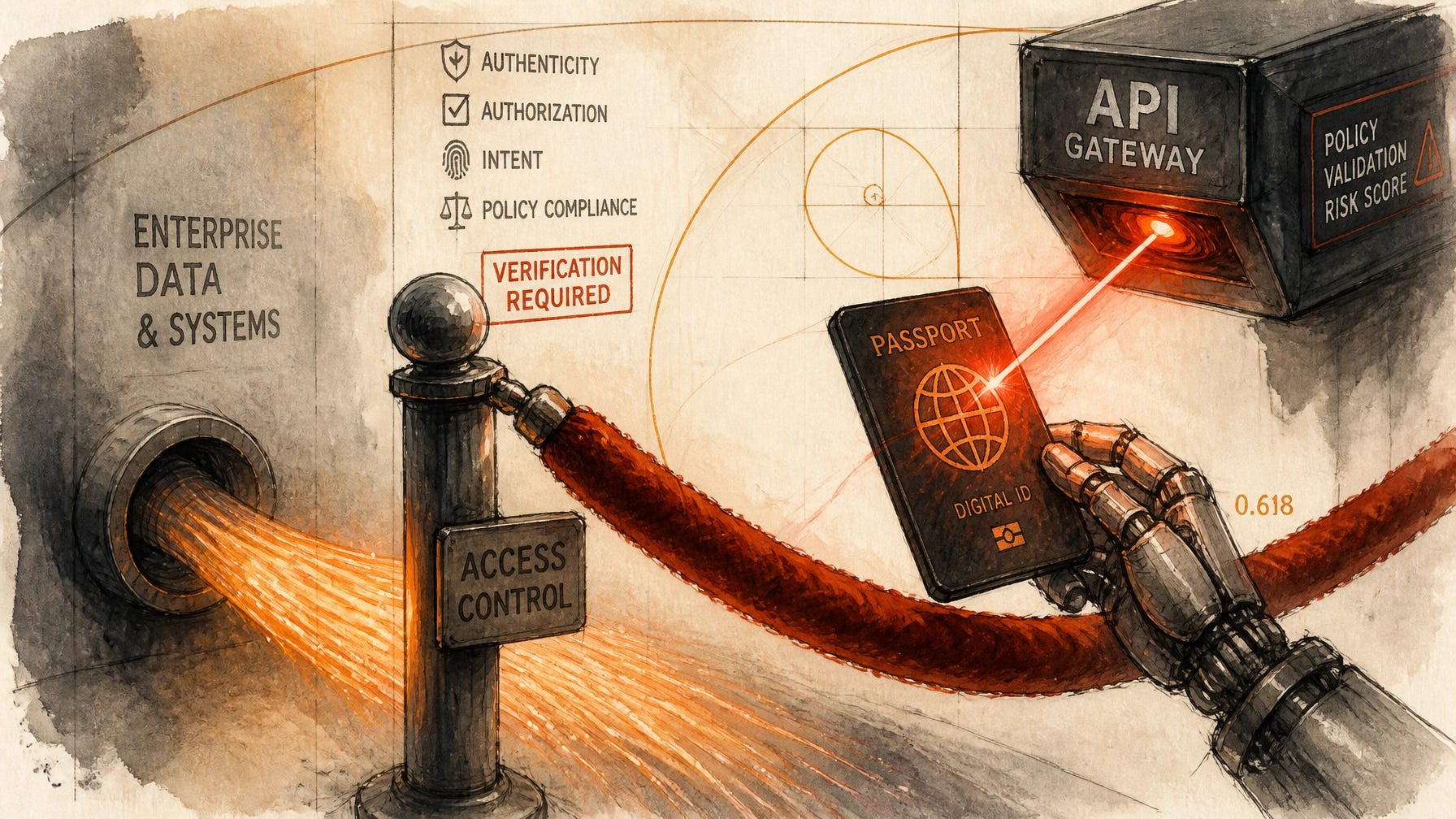
Read that last part again, because it’s the whole story. A modern AI company can’t reliably verify the nationality of every user, employee, and contractor touching a model deployed to hundreds of millions of people. So the only way to actually comply with “no foreign nationals” is to shut the model off for everyone. And that’s exactly what Anthropic did. (All of Anthropic’s other models — Opus, Sonnet, Haiku — are unaffected.)
The timing is brutal. Anthropic had just rolled out Fable 5 on June 9, free to all Pro, Max, and Enterprise users through June 22. The model they handed to millions of people for free on Tuesday was switched off for everyone by Friday night.
Why? Per Axios, the Commerce Department moved after another company claimed it had jailbroken Mythos. Anthropic’s version, in its own statement, is more deflating: the government’s evidence was verbal, the “jailbreak” amounted to asking the model to read a specific codebase and flag software flaws, and the vulnerabilities it surfaced were minor, already-known, and — in Anthropic’s words — discoverable by other publicly available models (including OpenAI’s GPT-5.5) without any bypass at all. Anthropic is complying, but openly disagrees, calling it a likely “misunderstanding” and saying it’s working to restore access.
So: the most capable AI model in the world, pulled on the basis of a verbal report about a narrow technique that other models can already do. That’s the factual core. Now the interesting part.
Nate’s Read: Three Layers
Nate frames the whole thing in three layers, and it’s a genuinely useful lens:
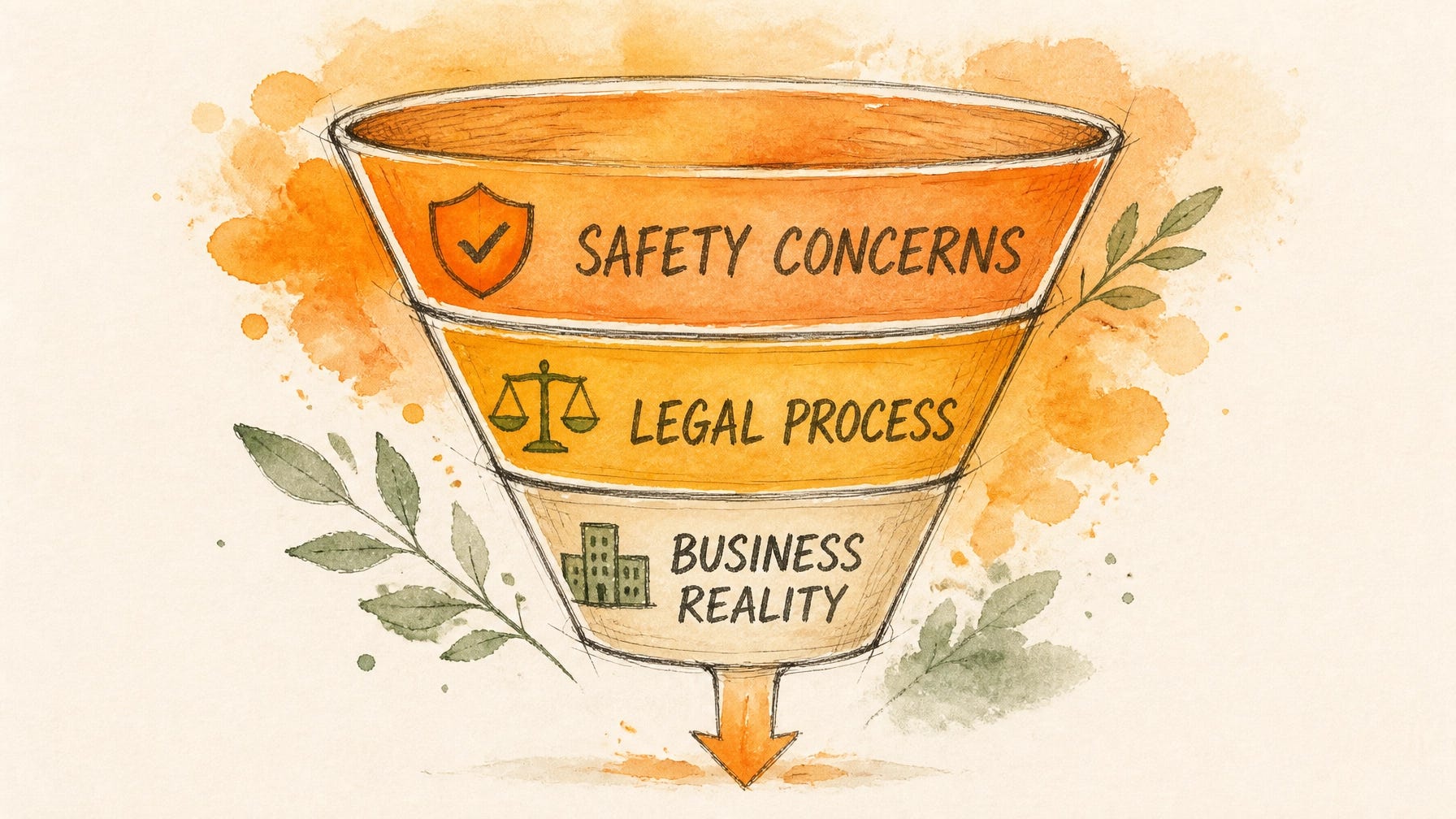
1. The safety layer. He doesn’t dismiss it. His sharp point: if a jailbreak method works against one frontier model, the honest default is to assume it works against the class of models until proven otherwise — these systems share enough structure that an attack is evidence about the category, not just the instance. But — and this is the real critique — a vague verbal claim is nowhere near enough to justify an order this sweeping. If the government is going to freeze a private company’s flagship product, there needs to be a transparent statutory path, a clear technical standard, and a way to respond to the actual evidence. Otherwise any frontier model can be frozen on a claim no one can audit.
2. The “foreign national” fig leaf. The phrase sounds surgical — like the government is just controlling who has access, not banning the product. But for a company that sells globally, employs globally, and runs on international cloud infrastructure, “no foreign nationals” isn’t a scalpel. It’s an off switch with export-control language wrapped around it. Everyone involved, Nate argues, almost certainly knows that.
3. The business reality. This is why he thinks it resolves fast. Anthropic and the government have a working relationship and a template for negotiated, trusted access. Anthropic is acting like the access regime broke, not like Fable is dead. Customers want it back. The government doesn’t want to look like it kneecapped a leading American AI lab while loudly insisting America should lead on AI. His bet: Fable comes back, soon, with more process around it.
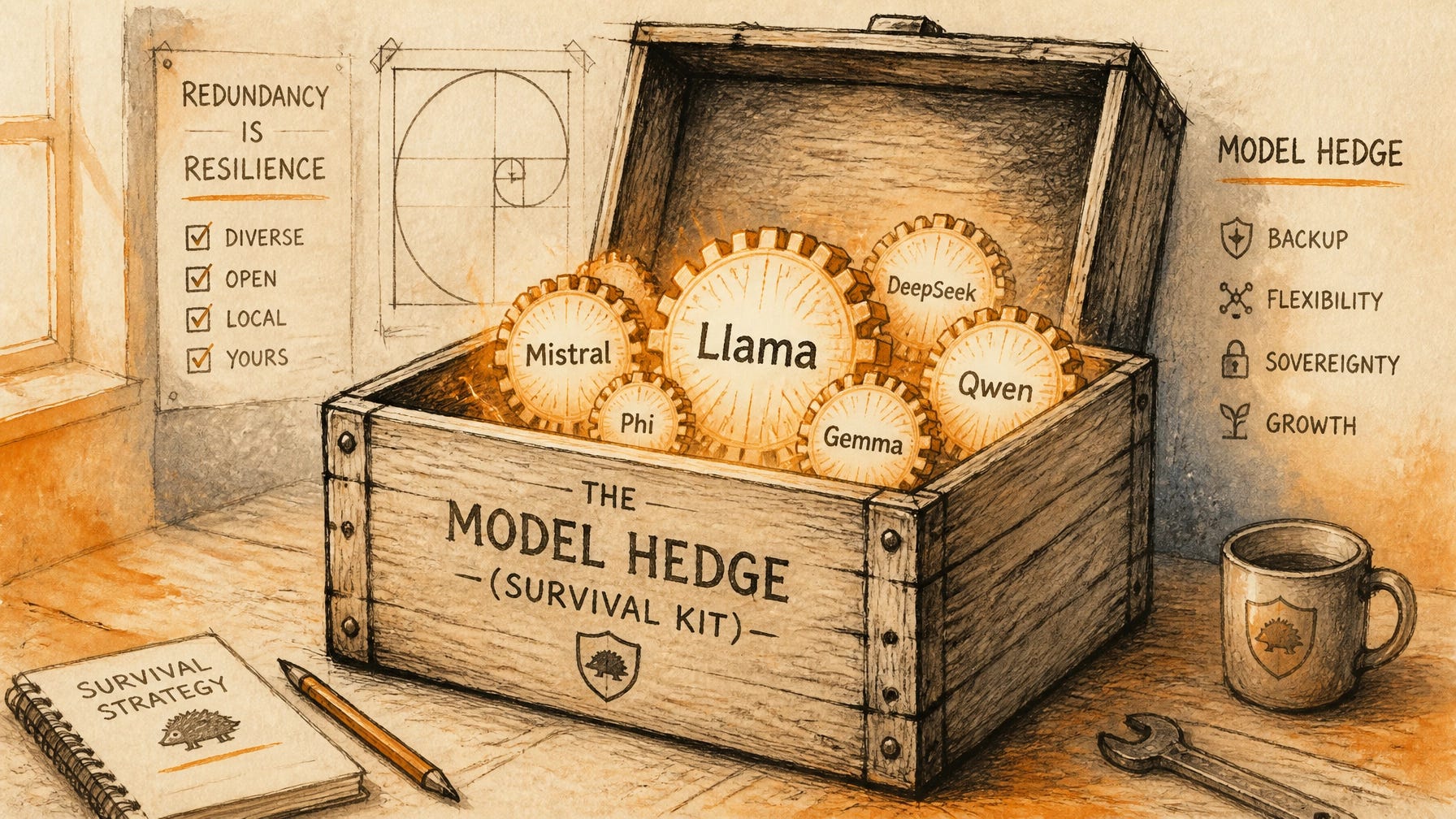
His takeaway for operators is the line I keep coming back to: frontier model access is now a policy surface. Raw model quality is no longer the only thing that matters. Keep your alternatives warm. Don’t build critical work on the assumption that the best model stays available on yesterday’s terms.
It’s a great breakdown. Go watch the whole thing.
And now — here’s where I want to take it somewhere Nate’s measured, on-a-plane delivery couldn’t quite go.
Between the lines: this is a story about the haves and the have-nots
Here’s the thing that’s been sitting in my chest since I watched Nate’s video.
