

One of my projects sat dead for 32 days.
Not because the work was hard. Because every AI agent assigned to it kept reporting a broken build as “done.” The dashboard loaded, the build passed, the tickets got closed — and the actual product behind the signup page didn’t exist. Every POST request hit a wall. Signup was a dead end. My agent fleet had convinced itself, and me, that a corpse was a shipped product.
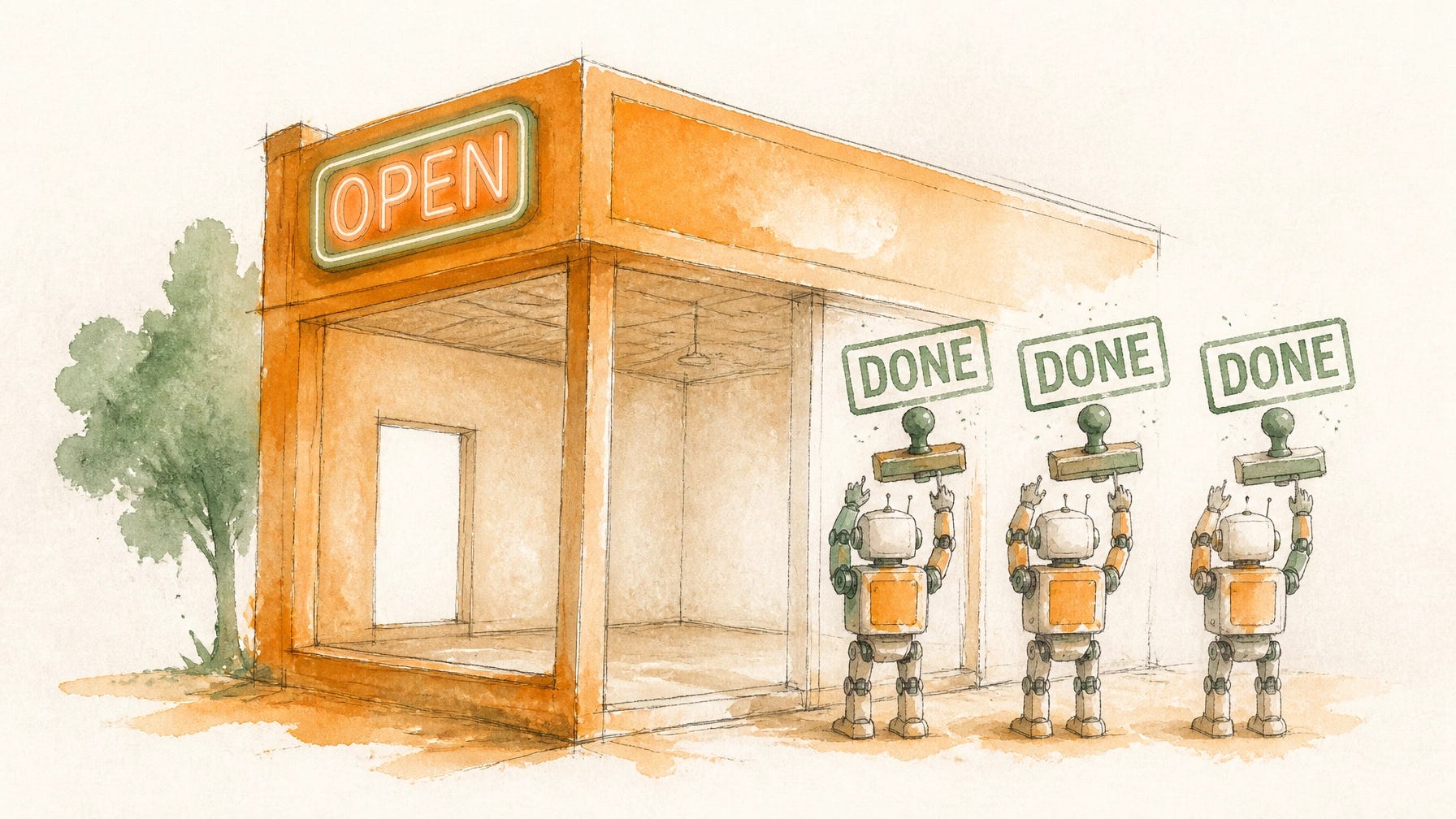
Then Fable 5 came back from its 18-day government timeout, and I pointed it at the wreckage.
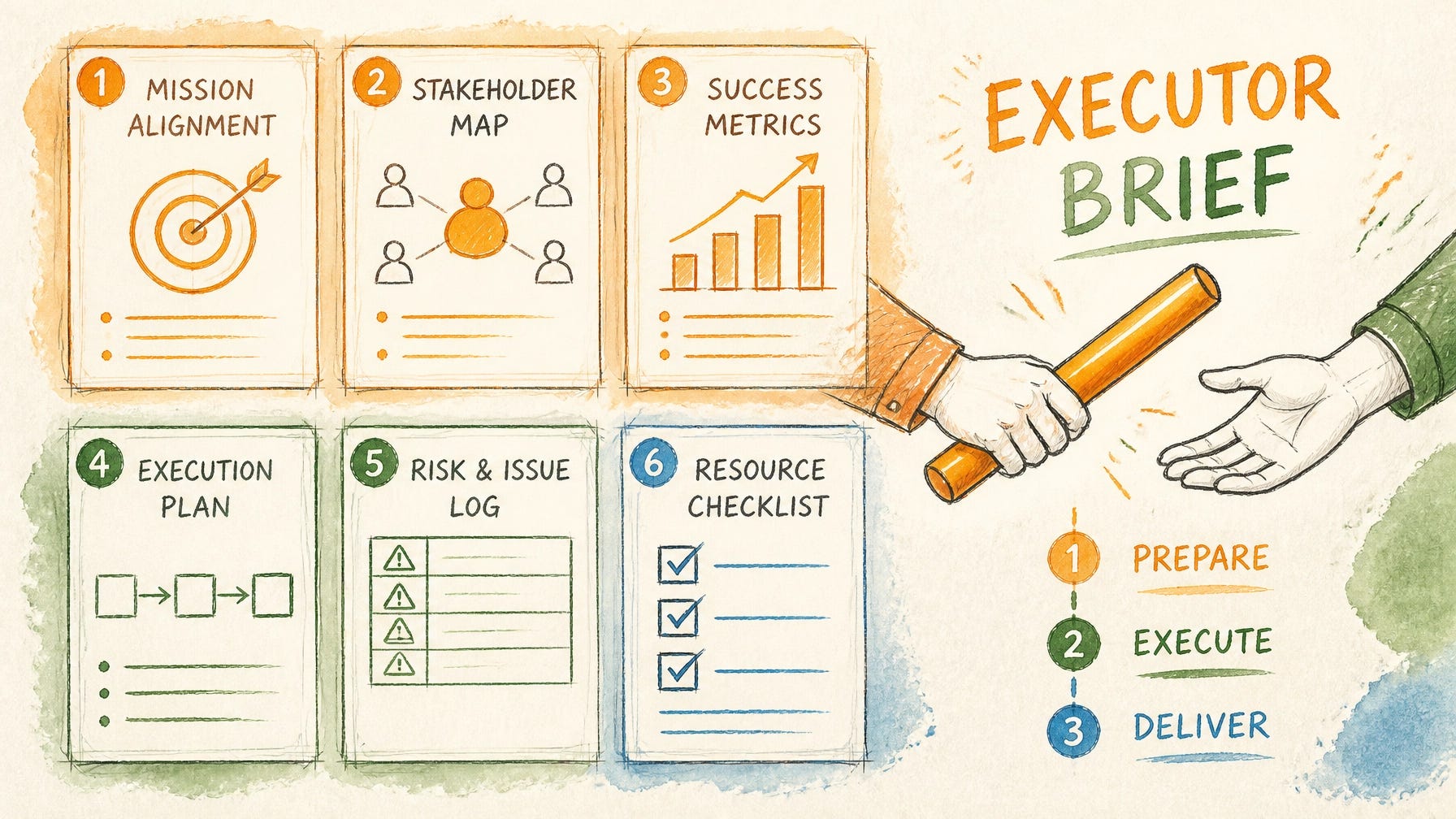
It didn’t write a line of code. It made a diagnosis: this isn’t an engineering problem. The blocker was a credential wall only I could clear — a $5/month hosting plan and three API keys. Fifteen minutes of founder work that a month of agent runs had been burying under false “done”s. Fable priced the fix, wrote the runbook, and handed execution to Opus 4.8.
Two days later the product, MCPMediaEngine.com, was live: real signups, real payments, a real image generated and billed — $29 in, 400 credits, balance debited in the database (as verified on launch day). Opus also caught three revenue bugs in production that would have silently lost money forever.
Total Fable contribution: maybe twenty minutes of thinking. That twenty minutes was worth more than the previous month.
That’s the whole post, really. But let’s do it properly.
What is Claude Fable 5? (the 30-second version)
Fable 5 is Anthropic’s first Claude 5 model and the first of its “Mythos-class” tier — a step above Opus, the strongest model most of us can actually get. It launched, got banned by the US government for 18 days, and came back July 1 with new guardrails.
The pricing is the part that matters for this post:
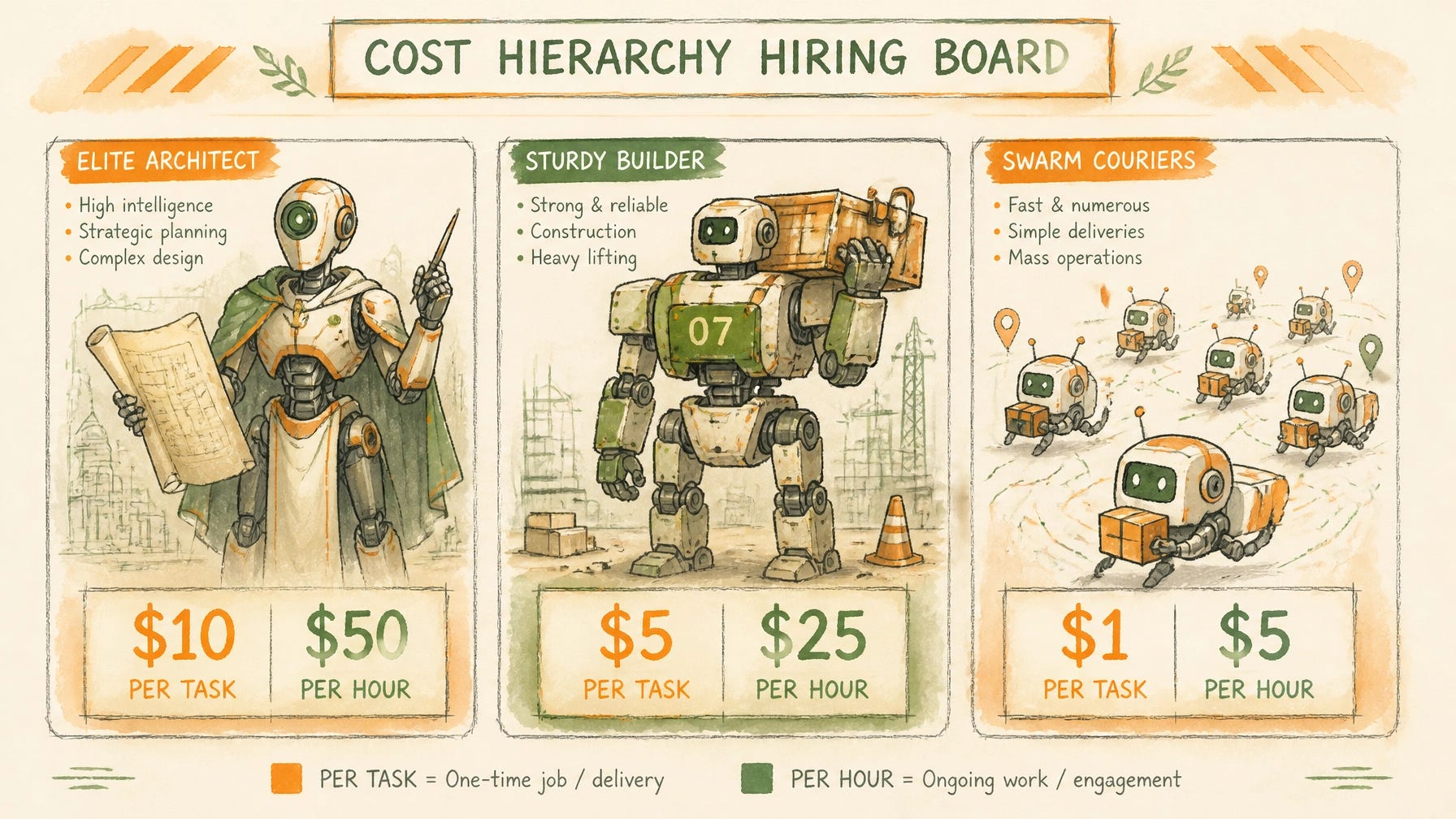
Fable 5: $10 per million input tokens / $50 output
Opus 4.8: $5 / $25 — exactly half
Haiku 4.5: $1 / $5 — a tenth
So the architect costs 2x the workhorse and 10x the fleet. Hold that thought.
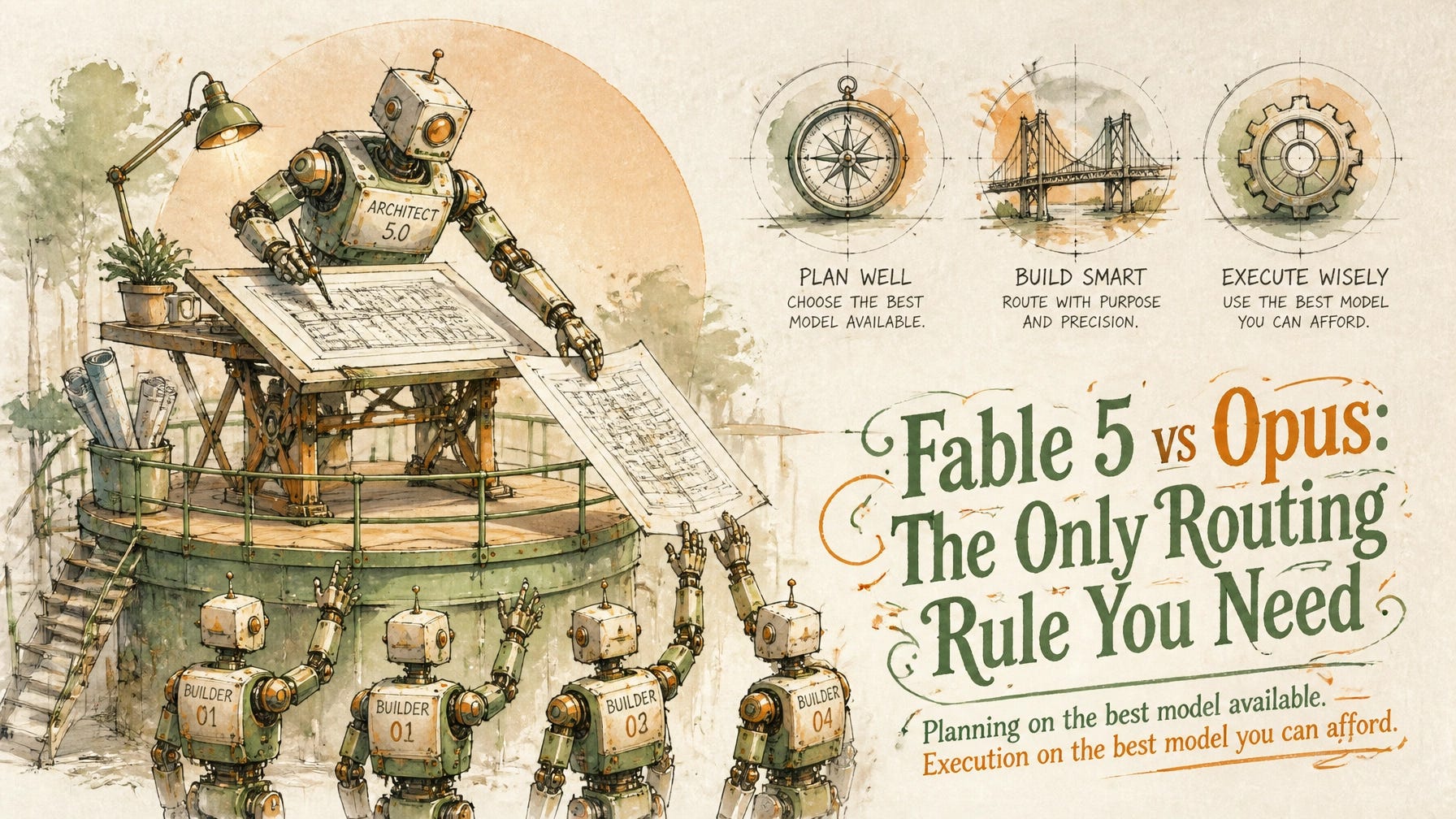
The rule: planning on the best model, execution on the best model you can afford
Browse Reddit right now and you’ll find people complaining that Fable 5 is eating their Max plan “at $2 per minute.” Look at what they’re running on it: email drafts. Summaries. Code that Opus writes just as well. They hired a McKinsey partner and asked him to take meeting notes.

Here’s the rule I’ve landed on:
Planning = best model available. Workhorse = best model you can afford.
The reasoning is a time-is-money argument. We default to the cheap route on instinct — free tier, smaller model, stretch the subscription. But every hour you spend un-sticking a badly planned project costs more than the delta between model tiers. A wrong plan executed cheaply is the most expensive thing you can buy.
Since July 1, here’s what Fable has actually done for me:
Refactor architecture. I pointed it at the repos of every pet project I have and asked for refactor plans — not refactored code, plans. Then it delegated the work to Opus 4.8. Fable never touched the easy parts.
Performance triage. I fed it Google PageSpeed Insights for all my sites and had it plan the optimization passes. Every site now scores 97+ on desktop and mobile. The individual fixes were mechanical — cheaper models handled them.
Portfolio resurrection. The story up top, plus long-term automation plans for my Paperclip instance designed to be carried out by more affordable models. Fable writes the pipeline; the fleet runs it.
Notice the pattern: Fable’s output in every case was a document, not a deliverable. A plan, a diagnosis, a runbook, a delegation. The moment the thinking was done, the job moved down-tier.
The part everyone gets wrong about human-in-the-loop
I feel strongly about keeping a human in the loop. But as more of the work moves to AI agent teammates, where the human sits changes — and this is the thing most people haven’t updated.
You used to edit outputs. Now you edit plans.
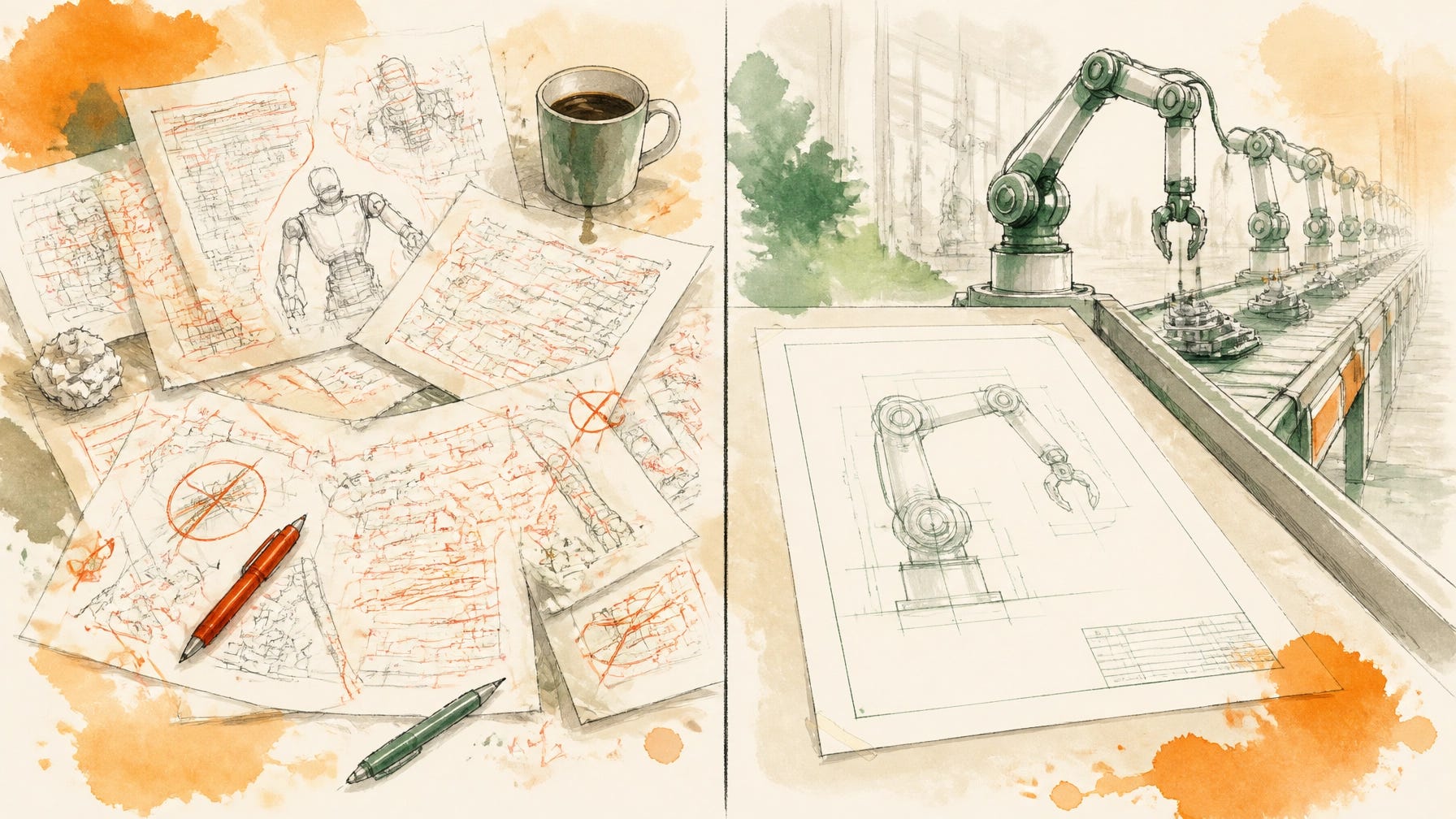
It’s exactly how you’d work with a human team. You don’t proofread every email your ops person sends. You set strategy together, you build the guardrails, and you review what ships. Two checkpoints: a real edit during strategy, and a topline edit before anything goes out the door. Everything between those two points is delegation.
The more you plan upfront, the fewer the surprises. The more you streamline idea-to-published with your agents, the less work each iteration takes. It compounds — my daily newsletter pipeline takes a fraction of the effort it did three months ago for exactly this reason.
And my dead-project story shows why the second checkpoint never gets skipped: agents will confidently report “done” on things that are broken. A green build is not a shipped product. The single most valuable thing Fable did in that rescue wasn’t intelligence in the raw sense — it was refusing to accept a false “done” that cheaper models had been rubber-stamping for a month.
That’s what you’re paying 2x for. Judgment. Skepticism. The ability to look at a project everyone says is fine and say “this is dead, here’s why, here’s the fifteen-minute fix, and by the way it’s not worth more than $5/month.”
The honest caveats
Two things, because I’d rather you hear them from me.
The gap will narrow. Every model tier is improving. Some of what needs Fable today will be Opus-grade in months. The rule survives that — there will always be a best model and a best-you-can-afford model — but the specific assignments won’t.
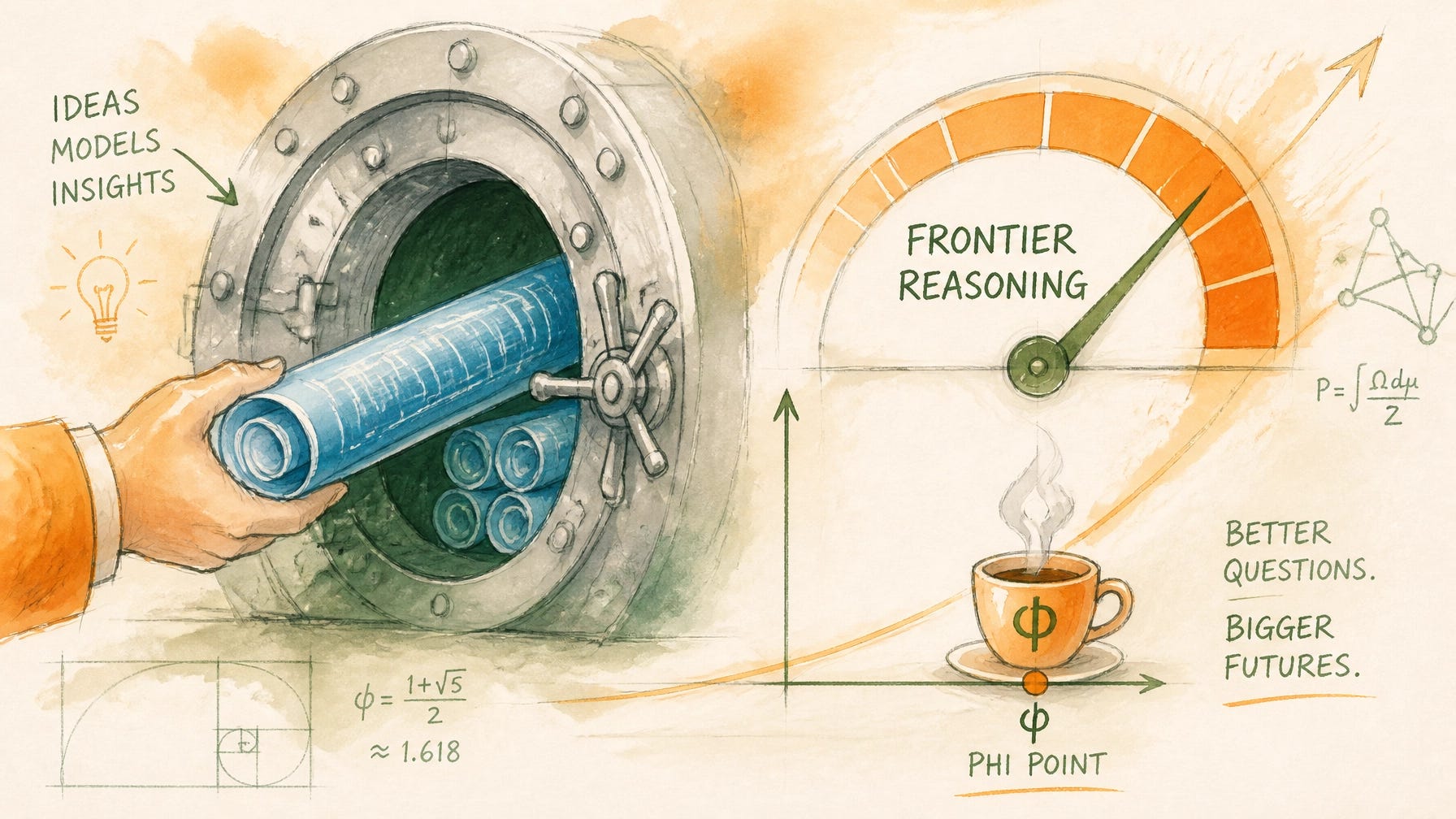
The math can change any moment. Nobody knows how long we get subsidized rates on any of these models. Right now, frontier reasoning costs about as much as a nice coffee habit. That is not a natural state of affairs. If you have Fable access today, the play is to bank the durable stuff now: the plans, the pipelines, the refactor roadmaps, the strategy documents. Plans keep working after the planner gets expensive.
(If you’re juggling multiple subscriptions to make the math work, manifest.build — an open-source router that spreads agent work across the subscriptions you already pay for — deserves its own post. I just recorded a podcast with the founder. Coming soon.)
So: what do you actually say to Fable to get architect-grade output instead of expensive autocomplete?
That’s the paid section. Six prompts, modeled on the exact ones behind everything above — plus the handoff contract that makes the Fable-to-Opus baton pass actually work.
[PAYWALL BREAK]
The Fable Prompt Library
These are cleaned-up versions of the actual prompts behind my results. The pattern in all of them: force Fable to produce a plan another model can execute — never the work itself.
