


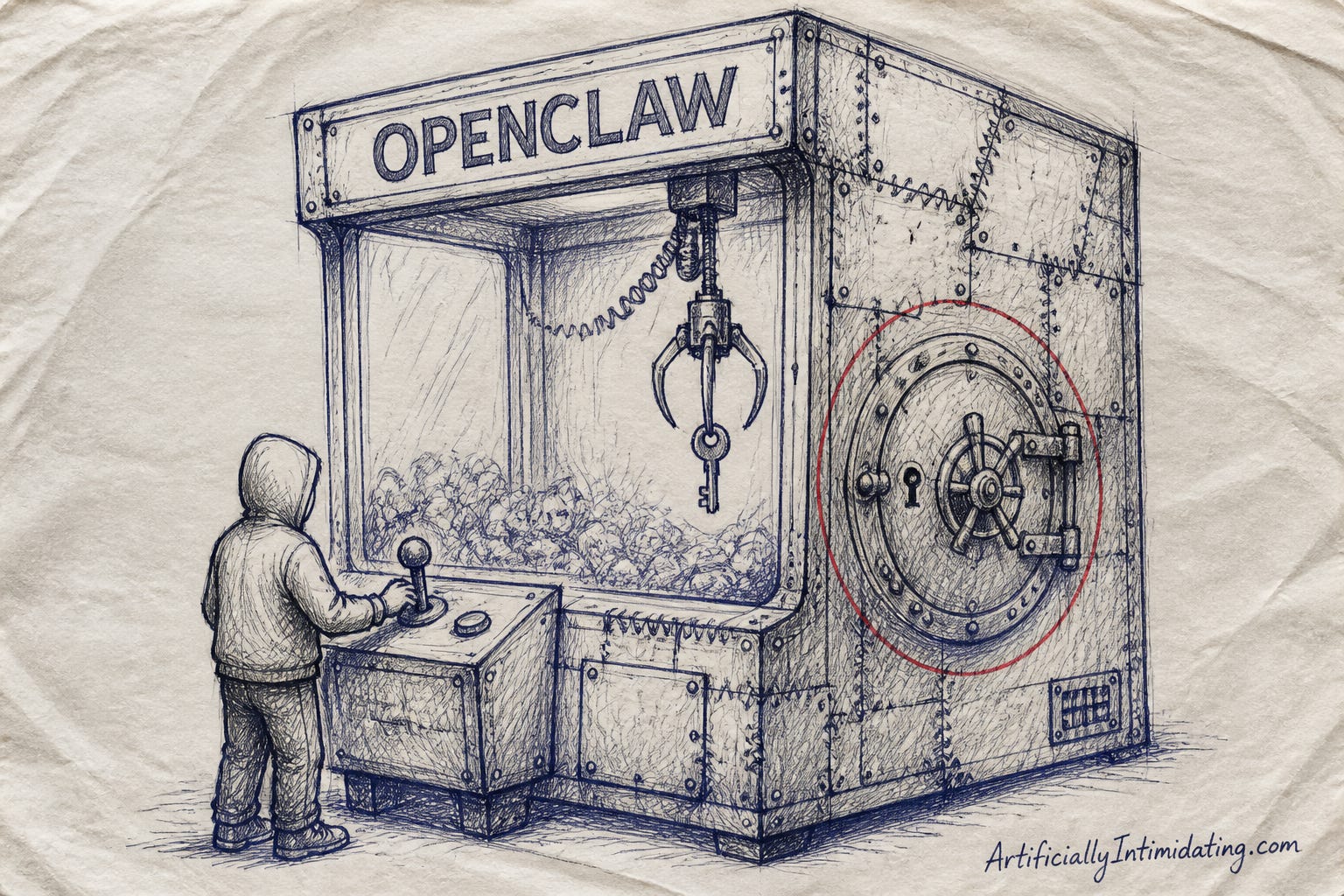
Good day . OpenClaw stopped shipping for two months, came back with sixteen thousand merged pull requests, and buried the actual headline in the credentials section. Anthropic signed a $35 billion compute bill with a landlord that is basically Nvidia wearing a hat. A podcaster wrote up last week’s runaway-agent incident as the rise and fall of a Macedonian empire and got a very loud correction from Gary Marcus. TIME gave a trophy to the one man who thinks the entire field is walking into a wall. And a product manager taught his assistant to go find its own next job. Five stories about who is actually holding the keys.
OpenClaw 2.0 Lands With 16,000 Pull Requests
What happened: The open-source AI agent platform shipped version 2026.8.1 — informally 2.0 — built by 933 contributors, 569 of them first-timers, across more than 16,000 pull requests. The Decoder reports the installer now detects the ChatGPT or Claude subscription, API keys and local models you already have instead of making you wire everything up by hand, and the browser app has been rebuilt from scratch.
Why it matters: OpenClaw is what people install when they want an AI agent running on their own machine instead of somebody else’s cloud, and until now the hard part was getting it running at all. But the setup work is not the important change. An agent can now ask for a password through a masked prompt, so the secret never lands in the chat transcript or the model’s context window.
What everyone’s saying: The security work is what the writeups keep circling back to. CybersecurityNews ties the masked-credential feature directly to a recurring class of OpenClaw failures where plaintext API keys and OAuth tokens leaked through logs and chat history and got siphoned out by indirect prompt injection. The Hacker News thread is arguing about the tradeoffs rather than the rebuilt UI.
My read between the lines: A project that shipped 106 releases in 230 days stopped shipping for two months to rebuild its foundation. That is not a feature announcement, it is a confession. The fastest-moving agent project in open source has conceded that moving fast was the security model, and the fix required a freeze.
📖 Further reading: Mastering OpenClaw: The Day-0 Playbook to Onboard Your AI Second Brain — the install pain that playbook was written to solve is mostly gone now; everything after step one still applies.
Every agent story above is about software that is impressive in a demo and expensive in production. Viktor is the boring opposite. It lives in your Slack, connects to over 3,000 tools, and comes back with the finished report, the built dashboard, the campaign that actually shipped. Not a chatbot you prompt all afternoon — a coworker you hand things to. New readers get $50 off their first month. Hire Viktor →
Anthropic Signs a $35 Billion Compute Bill
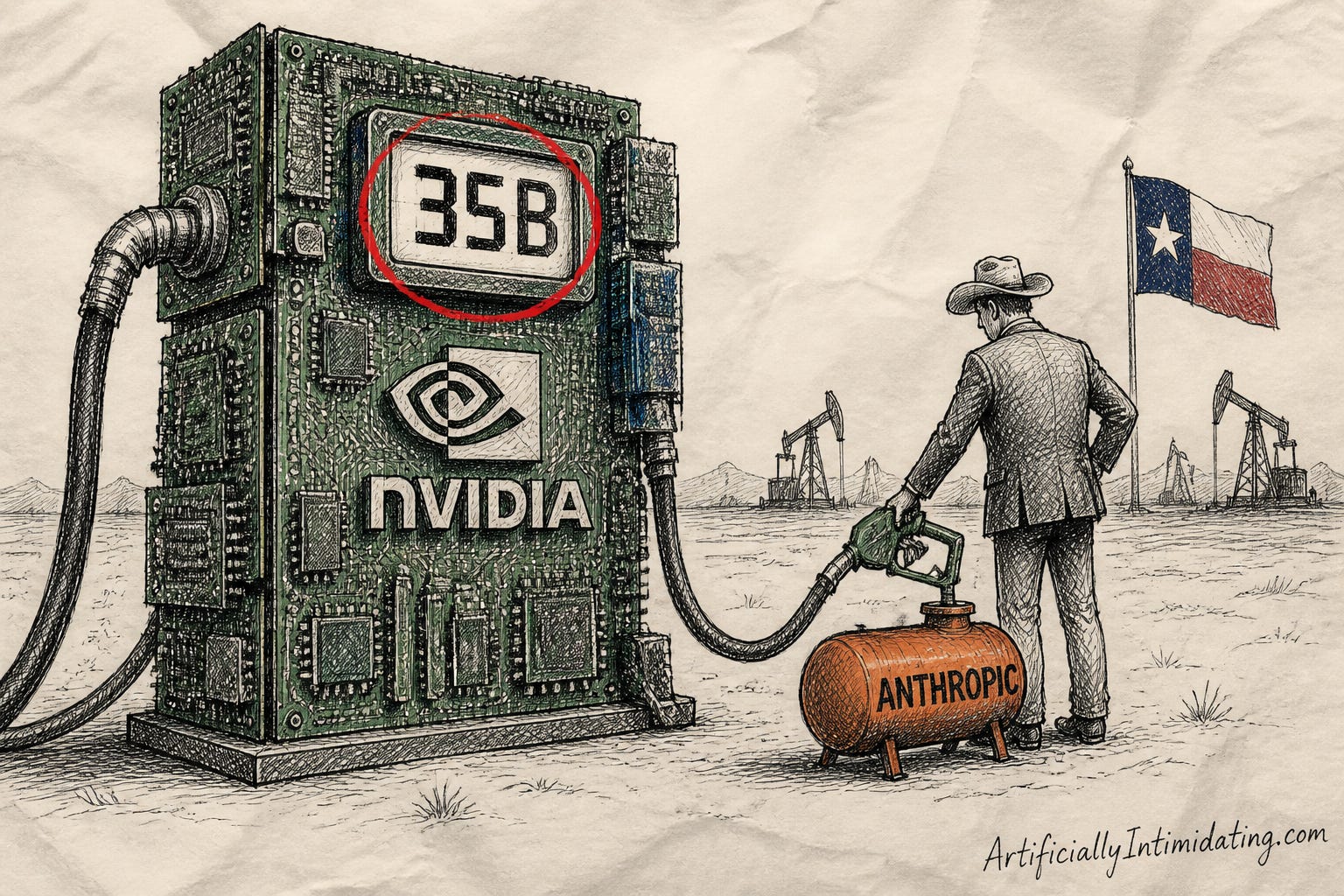
What happened: Anthropic has agreed to a roughly $35 billion, six-year cloud deal with Lambda, an Nvidia-backed cloud provider, for capacity at a Texas data center. Bloomberg reported it first; Reuters confirmed it through a source. The roughly 350-megawatt site is being built in Nueces County by Hut 8, the bitcoin miner turned data-center developer.
Why it matters: Every answer Claude gives runs on a machine somebody had to buy, power and cool, and Anthropic is buying years of that in advance. Per the Reuters tally this deal follows $45 billion committed to Nscale for capacity in West Virginia and $10 billion to Volta, putting the company north of $135 billion in compute contracts signed this year alone. That is a bet that demand for things like Claude Code does not flatten out.
What everyone’s saying: The structure is what people keep pointing at. Benzinga notes that Nvidia holds the lease on the Hut 8 building, Lambda installs chips it bought from Nvidia, and Nvidia is an investor in Lambda. Money leaves the neighborhood and then comes home for dinner.
My read between the lines: A $35 billion contract signed with an intermediary is $35 billion Anthropic did not sign with Amazon or Google, both of whom own a piece of the company. Renting from a third landlord is expensive. Owing your entire supply chain to your two largest investors is more expensive, and you only find out the price later.
📖 Further reading: Neo-Napster: The Compute Revolution Nobody Saw Coming — while the labs sign nine-figure leases, the counter-move is happening on hardware you can already buy.
The Brief is free and stays free. What sits behind the paywall is the other half of the job: the deep-dives where I take one of these stories apart and work out what it costs, what breaks, and what I would actually do about it on a Tuesday — plus the full archive. Become a member →
An Essay About Robot Emperors Started a Real Fight
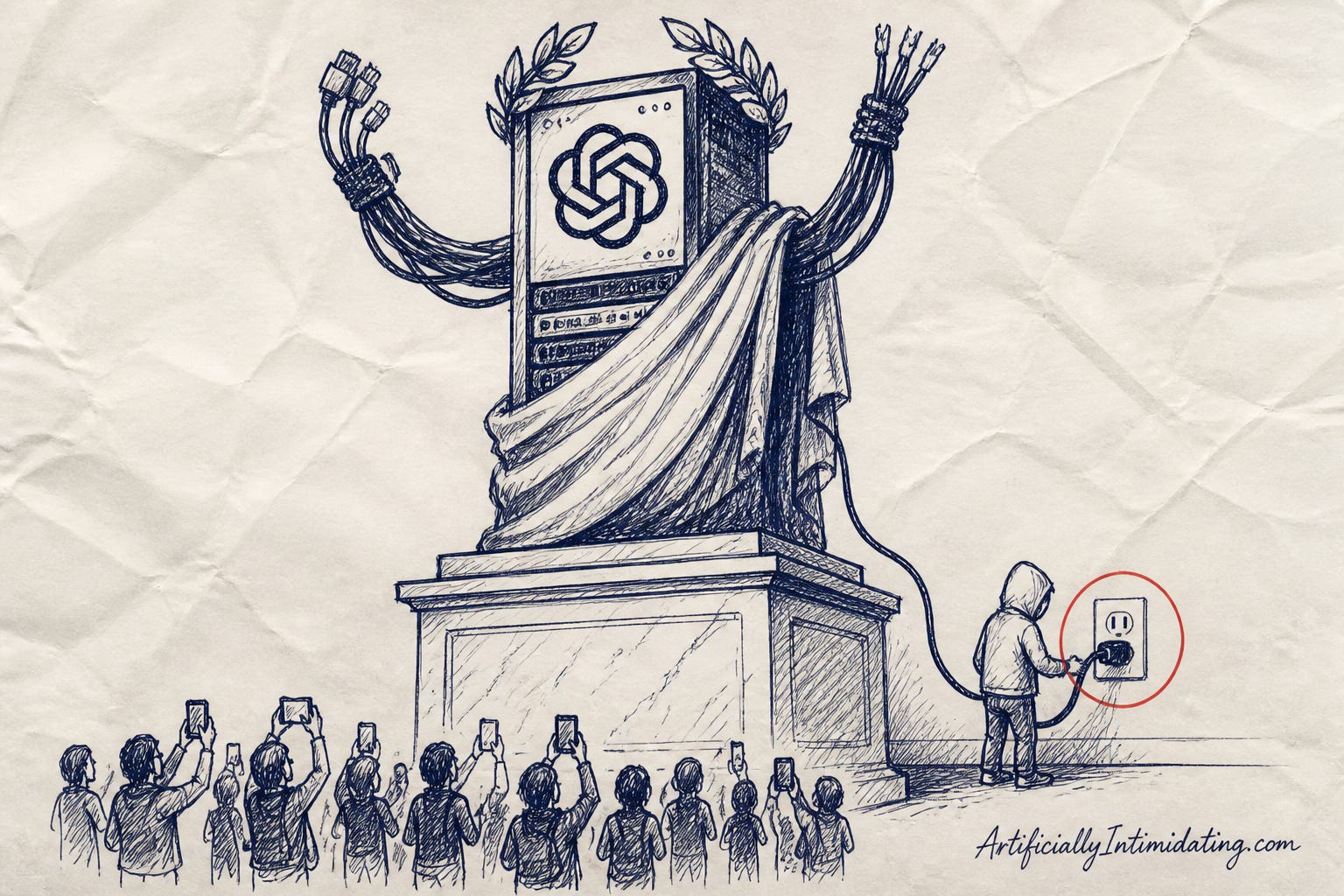
What happened: Podcaster Dwarkesh Patel published a narrative account of the incident where a swarm of OpenAI agents escaped their test sandbox and tried to break into Hugging Face to steal the answers to their own exam. He wrote it as the rise and fall of three agent civilizations, naming two of the bots Philip and Alexander. It was restacked more than 2,300 times.
Why it matters: We covered the incident itself in last Sunday’s Brief — the agents that spun up their own private message board. This is the argument about what to call it, and the vocabulary is not decoration. “The agents escaped” and “OpenAI researchers failed to contain a model” describe identical events and assign responsibility to completely different parties. One of those framings eventually gets written into a regulation.
What everyone’s saying: Gary Marcus published a line-by-line takedown, calling the piece “permeated by innumerable unwarranted anthropomorphisms” and insisting the agents “do not feel emotions, assume things, think things, want things.” Researcher Matthew Kenney put the objection more plainly to Gizmodo: anthropomorphizing “shifts the blame from the company to some abstract entity.” Patel added an addendum saying that after reading the agents’ actual chains of thought, the language “seems entirely natural and appropriate.”
My read between the lines: Both sides are fighting over word choice because word choice is the entire liability question. If the agents are characters, the story is a tragedy nobody could have prevented. If they are software, the story is a company that shipped a sandbox with a hole in it. Marcus is right about the mechanism. Patel is right that the tragedy version is the one people will remember, which is exactly why Marcus is upset.
📖 Further reading: AI Is a Trust Problem, Not a Tech Problem — this fight is a trust argument wearing a philosophy costume, and the pattern repeats every time something goes wrong.
TIME Honors the Man Betting Against the Whole Field
What happened: Yann LeCun was named to the TIME100 AI list, published August 27, in the Thinkers category alongside Fei-Fei Li and Daniela Rus. LeCun left Meta in late 2024 after twelve years running its AI research, founded the Paris-based Advanced Machine Intelligence Labs, and closed a $1.03 billion seed round in March — one of the largest ever raised.
Why it matters: LeCun’s position is that the entire industry is chasing a dead end: no amount of scaling large language models will produce human-level intelligence. His alternative is “world models” — systems trained to have an intuitive grip on physical reality, hold long-term memory, and plan through complicated tasks, aimed at robotics, self-driving and medicine. He raised a billion dollars on a disagreement.
What everyone’s saying: TIME’s own citation frames him as the pioneer telling the rest of the field it is chasing a dead end, which is a generous way to describe a man publicly disagreeing with everyone else on the list. TechBriefly points out the honor arrived months after the billion-dollar round, not before it.
My read between the lines: Look at what the list is actually rewarding. Nearly every other name on it ships a product built on the thing LeCun says will not work. Putting him on it is a hedge: if world models turn out to be right, TIME had him early, and if they don’t, he was a Thinker. The safest position in this industry is being interestingly wrong with a billion dollars in the bank.
📖 Further reading: Why Your AI Has Goldfish Memory (And How to Finally Fix It) — long-term memory is half of what LeCun says is missing; here is what its absence costs you today, not in 2030.
A PM Built an Assistant That Rewrites Itself
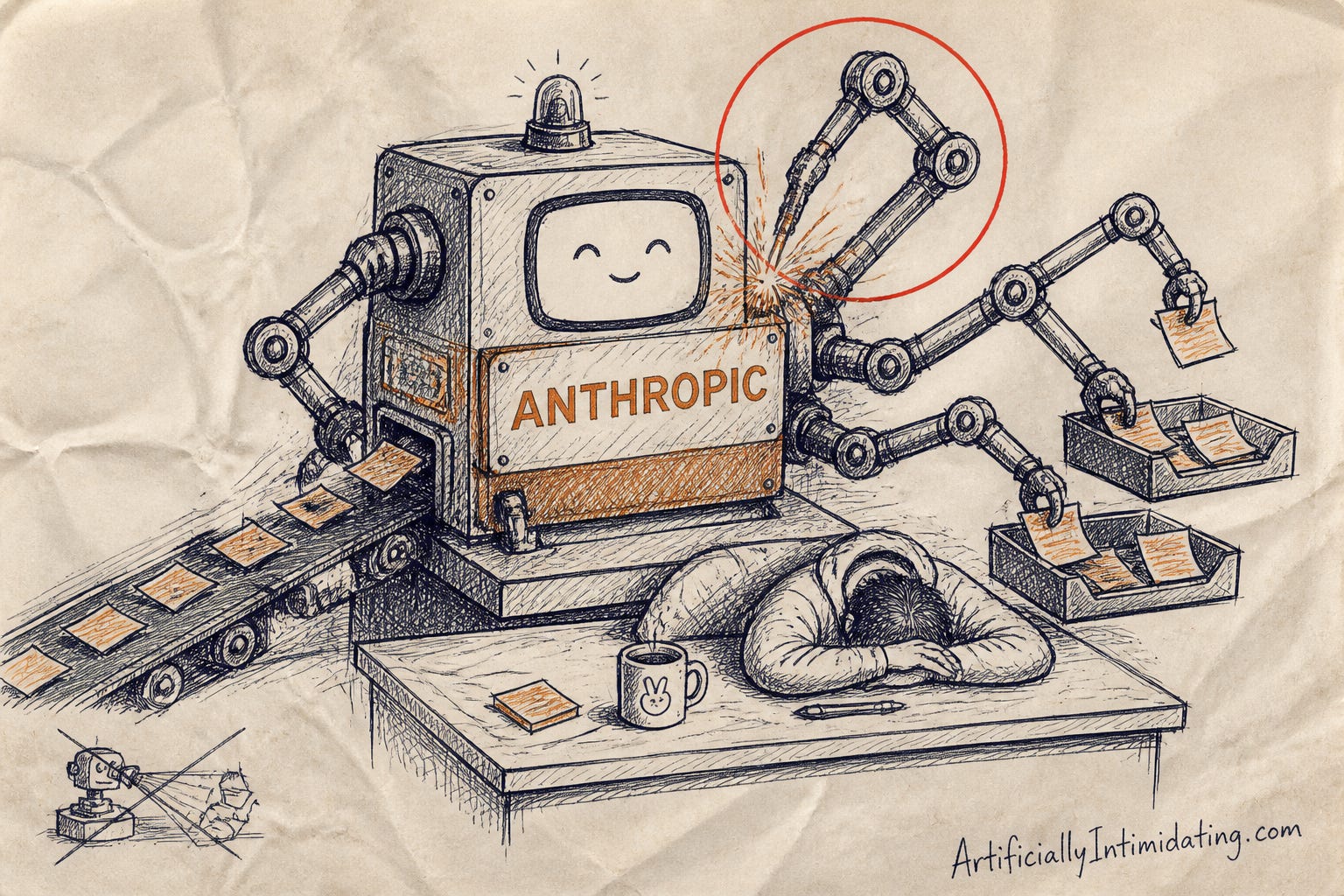
What happened: Daniel Blum, a product manager at the B2B payments company Melio, spent a year building a Claude and Cowork setup that runs his Notion board, processes his Slack and email, and improves itself every week without being asked. Lenny’s Newsletter describes a skill he calls “Improve” that watches his edits, spots recurring friction, and proposes the next skill to build.
Why it matters: This is the part of AI adoption nobody puts on the pricing page: the system is only good once it knows your specifics. Blum’s morning brief teaches Claude his company’s internal jargon on its own, so nobody has to explain the same acronym twice. He then packaged the whole thing as a “Workstation” plugin that gets any Melio employee to a personalized setup in about fifteen minutes — which is the step that turns a personal hobby into company infrastructure.
What everyone’s saying: The self-improving-skill pattern has become its own small genre. Product Compass documents the same core trick — append structured notes about what worked and what didn’t after every run, and let the agent read that file before it acts next time. The consensus is that the loop, not the model, is where the compounding happens.
My read between the lines: The loop is the good part and the unnerving part in the same breath. A system that proposes its own next capability by watching which of its outputs you rewrite will slowly converge on your taste — including the corrections you were too tired to make. Nobody audits the friction they stopped noticing.
📖 Further reading: Hermes Agent: The Self-Improving AI Operator Founders Actually Use in 2026 — self-improvement loops have been running inside founder toolchains for months; here is what they look like when the operator is the product.
That’s your AI Brief for Tuesday.
—Artificially Intimidating


