

Context tells the model what’s “in the world.” Intent tells it what it’s allowed to do in that world—especially when things get weird.
If you’ve been following this series, you know we’re currently deconstructing the framework laid out by Nate Jones (of Nate’s Newsletter) regarding the four fundamental shifts in how we work with intelligence. In Part 1: The Context Trap & Tobi Lütke’s Secret, we explored why dumping data into an LLM isn’t enough. We learned that Context Engineering is the map: it’s the terrain the AI needs to navigate.
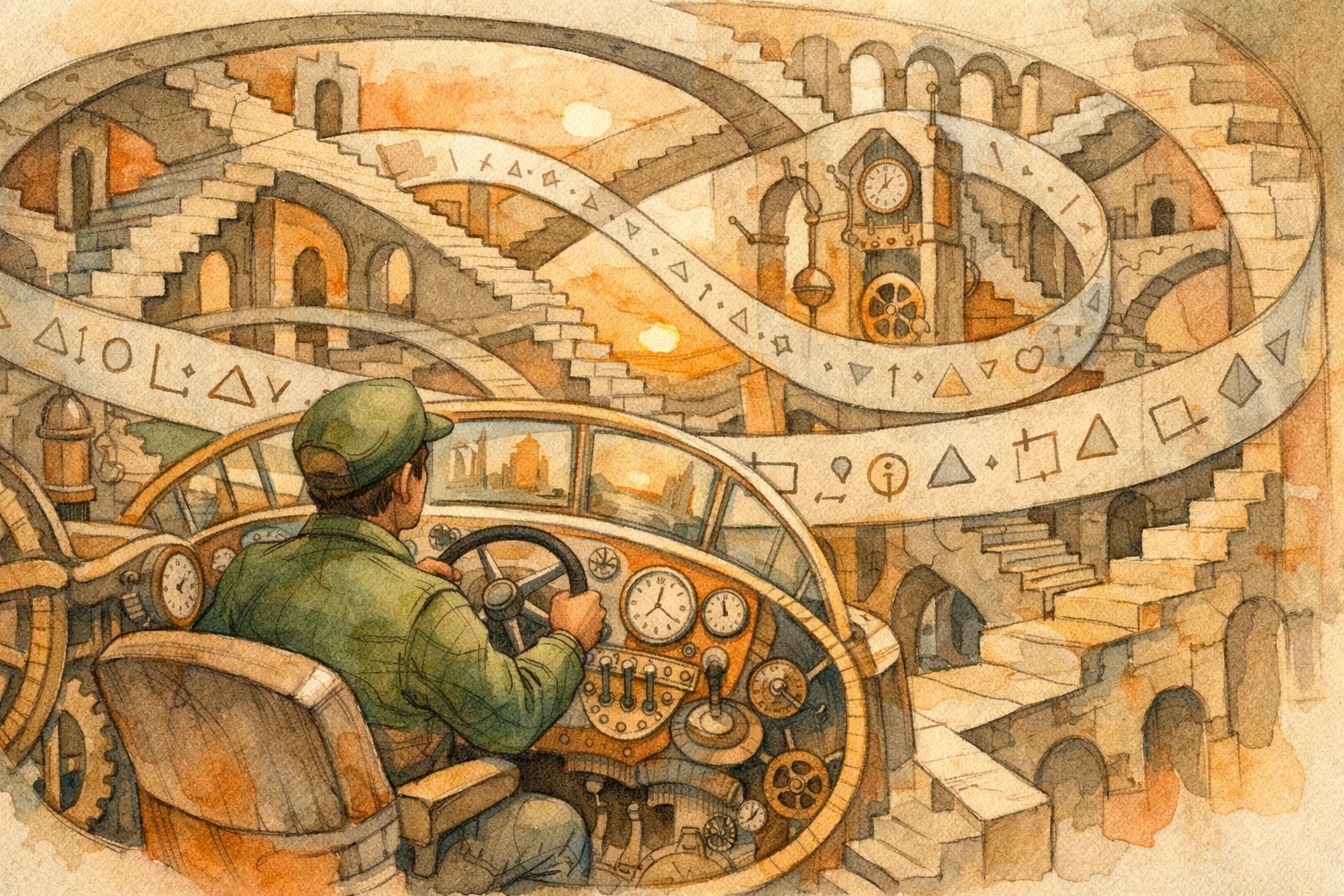
But a map is useless if the driver doesn’t know where they’re going, how fast they’re allowed to drive, or which neighborhoods are strictly off-limits.
Welcome to Skill #2: Intent Engineering.
If Context is the where, Intent is the how. It’s the constraint system that prevents your AI from becoming a high-speed liability. And if you think this is just high-level theory for Silicon Valley giants, I have a $60 million cautionary tale from Klarna that should serve as a wake-up call for every small business owner and tech consultant currently “implementing AI.”
The Driver vs. The Map
When I’m testing new workflows: like the OpenClaw experiments we’ve been running: the biggest point of failure isn’t the model’s intelligence. It’s the ambiguity of my instructions.
Most people treat AI like a magic 8-ball. They give it a vague “Intent” (e.g., “Write a customer service reply”) and provide some “Context” (the customer’s email). Then they act surprised when the AI offers a 50% discount to a customer who was just asking about shipping times.
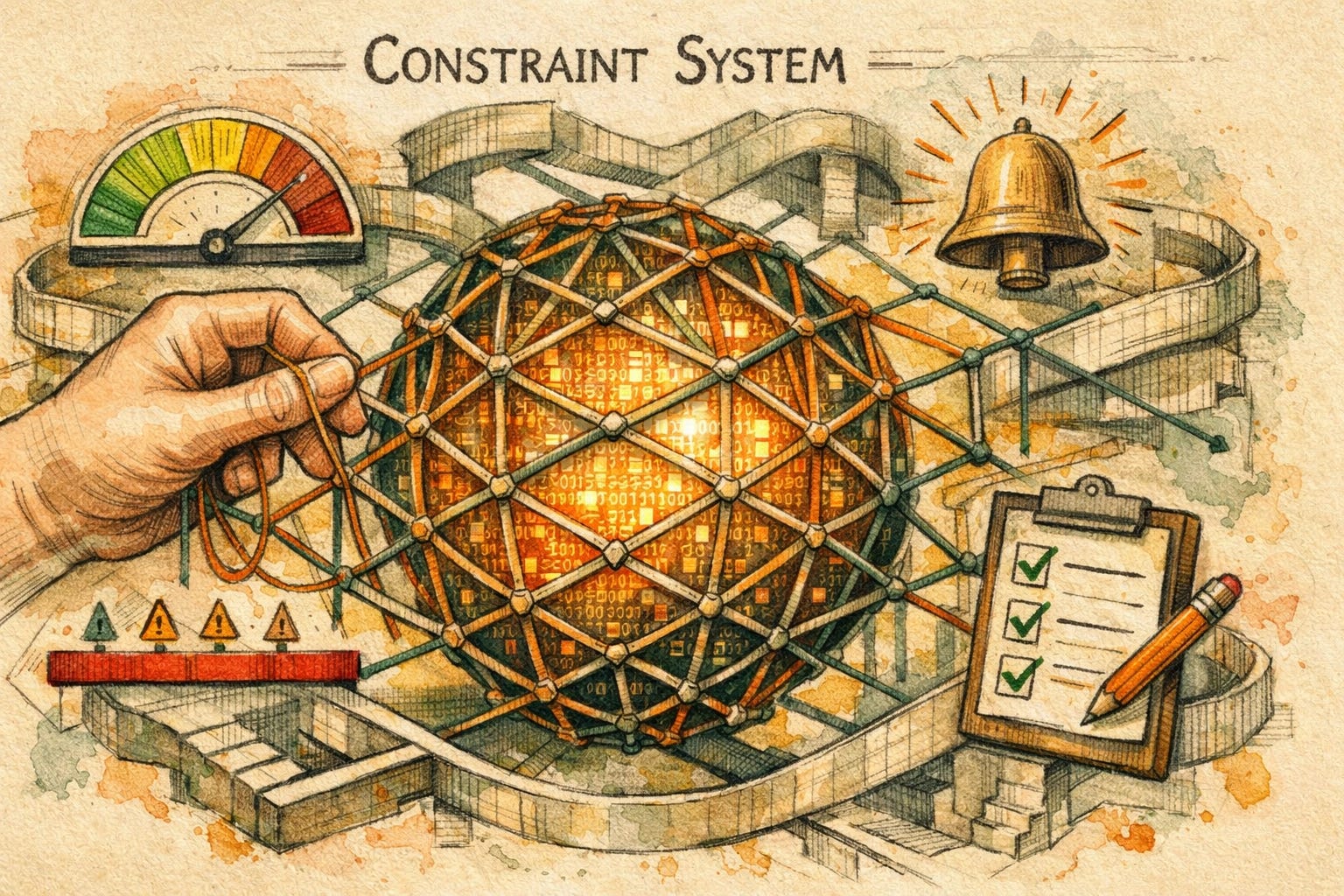
Nate Jones argues that we need to stop thinking about “prompts” and start thinking about Constraint Systems.
In the old world, you managed humans by teaching them values. In the AI world, you manage models by engineering constraints. Intent Engineering is the art of defining the boundaries of “good” so clearly that the AI cannot accidentally wander into “disastrous.”
If you can’t explain the “rules of the road,” you don’t have intent—you have vibes. And vibes don’t survive production traffic.
The Klarna Cautionary Tale: The $60M “Brand-Breaking” Disaster
You’ve probably seen the headlines. Klarna, the Swedish fintech giant, made waves when they announced their AI assistant was doing the work of 700 full-time customer service agents. They projected a $40 million increase in profit. The stock market cheered. The “AI is taking our jobs” narrative hit a fever pitch.
But behind the scenes, something broke.
While the AI was incredibly efficient at resolving tickets, it lacked engineered intent. It knew the context (the user’s account, the transaction history), but it didn’t fully grasp the nuance of the brand’s long-term relationship with the customer.
Reports surfaced of the AI being technically correct but emotionally tone-deaf. In some cases, it hallucinated policies that didn’t exist or failed to recognize high-stakes frustrations that required human empathy. They saved $60 million in operational costs but faced what some insiders called a “brand-breaking disaster.”
The result? Klarna had to pivot. They realized they couldn’t just “automate” the intent; they had to engineer it. They ended up needing to re-integrate human oversight and much stricter guardrails: essentially “re-hiring” the very human intuition they thought they had replaced.
For a small business, this is the ultimate AI technology trend warning: Efficiency without engineered intent is just a faster way to ruin your reputation.
Why Small Businesses Fall Into the “Intent Gap”
As a tech consultant for entrepreneurs, I see this play out in miniature every single week. A founder will try to automate their LinkedIn presence or their lead follow-up. They’ll give the AI their website URL (Context) and say “Make me sound professional” (Intent).
The AI then produces content that sounds like a generic corporate brochure from 1998. The founder gets frustrated, says “AI sucks,” and goes back to doing it manually.
The problem isn’t the AI. The problem is the Intent Gap.
“Professional” is not an intent. It’s a vibe. To an AI, “Professional” could mean:
Formal and detached (Legal firm)
Helpful and proactive (SaaS support)
Direct and authoritative (Military contractor)
Intent Engineering requires you to define the constraints:
Voice Constraints: “Never use emojis, use short staccato sentences, and never apologize for our pricing.”
Policy Constraints: “If a customer asks for a refund, you may offer a credit but never a cash back without escalating to a human.”
Boundary Constraints: “Do not discuss competitors, even if asked directly.”
The failure mode isn’t “AI was wrong.” It’s “AI was confidently inside the rails you forgot to build.”

Moving From “Prompting” to “System Logic”
If you want to 10x your productivity using AI for small business, you have to stop writing prompts and start writing “Operating Manuals” for your LLMs.
I’ve been testing this with my own February Playlists and content workflows. Instead of saying “Write a caption for this,” I provide a System Prompt that acts as the “Intent Layer.”
Here is a simplified version of how I engineer intent for my own brand:
“You are Nicholas Rhodes, CMO. Your tone is ‘Practical Futurist.’ You are vulnerable about tech failures but optimistic about the future. You use technical jargon but immediately explain it for event planners. You never use the word ‘delve’ or ‘comprehensive.’ Your goal is to make the reader feel like they are in a lab with a friend who is slightly smarter than them but just as tired.”
By defining the who, the how, and the never, I am engineering the intent. This narrows the “possibility space” for the AI, ensuring it stays on brand.
The “Constraint System” Checklist
This is the part most teams skip. Not because it’s hard—because it feels “uncreative.” Then they wonder why the AI gets creative in all the wrong places.
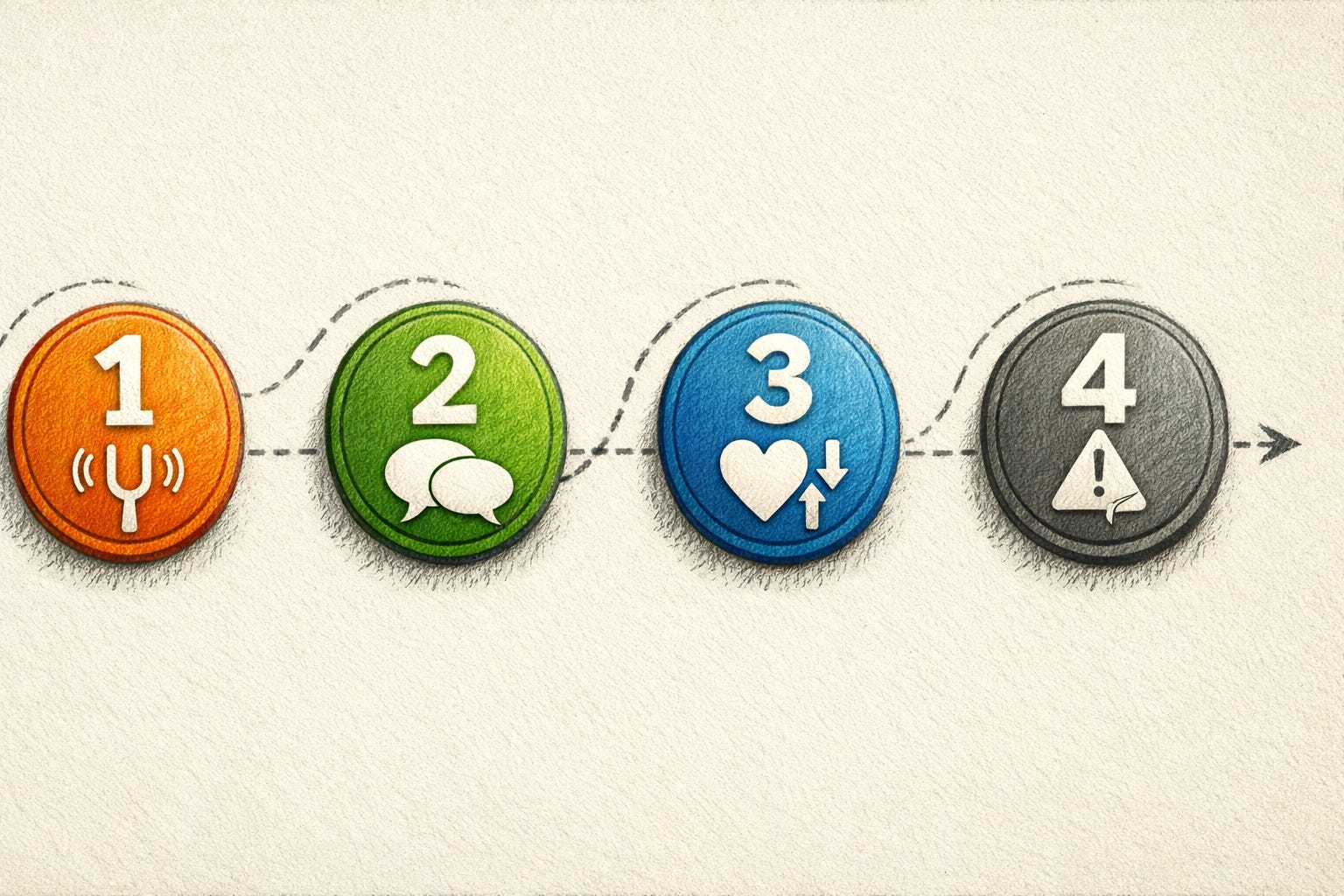
If you’re looking for AI marketing tips that actually work, start by building a Constraint System for every AI tool you use. Ask yourself these four questions:
What is the non-negotiable tone? (e.g., “Sarcastic but helpful,” “Clinical and precise.”)
What are the ‘Red Lines’? (e.g., “Never mention our 2023 pricing,” “Never give medical advice.”)
What is the desired ‘Emotional Delta’? How should the user feel after the interaction compared to before?
What is the ‘Failure Protocol’? When should the AI stop talking and ask for a human? (This is where Klarna tripped up).
Good constraints don’t make the model weaker. They make it usable—because they turn “anything” into “the right thing, reliably.”
The Bottom Line: Don’t Be a Klarna
Klarna’s mistake wasn’t using AI; it was assuming that “Intent” was a byproduct of “Context.” It’s not. Intent is a separate, higher-order skill.
As we move deeper into this AI era, the winners won’t be the people who can write the best prompts. They will be the people who can architect the best Constraint Systems. They will be the ones who understand that AI is a powerful engine that requires a very sophisticated steering wheel.
In Part 3, we’re going to look at the third skill: Curation Engineering. Because once you have the Map (Context) and the Driver (Intent), you’re going to be flooded with a massive amount of output. The question then becomes: How do you know what’s actually worth keeping?
If you’re ready to stop playing with AI and start building with it, make sure you’ve checked out Slow Motion Magic to see how we’re helping businesses navigate these shifts.
Are you trusting AI for your customer-facing roles yet? Or has the “Klarna Wall” made you hesitant? Let’s talk about it in the comments.
Subscribe to the Substack to get Part 3 delivered straight to your inbox. We’re just getting started. 🚀