

UPDATE — Saturday, July 11:
Hours after this published, Meta pulled Muse Image from Instagram. Three days on the market. “Missed the mark,” they said. Don’t mistake that for a win.
Nothing got un-built. The model exists. The pipeline that turns twenty years of your public photos into a working copy of your face exists. And Meta just ran the most expensive market test in the industry: it now knows the exact tripwire — not privacy advocates, who it ignored for years, but SAG-AFTRA and CAA, who moved it in seventy-two hours. That’s not a retreat. That’s a company reading the room, writing down the number, and going quiet.
So expect the return. Not with a launch post — with a settings migration. Bundled into a feature you asked for, defaulted a little more gently, named something that doesn’t sound like a likeness engine. The loud version failed. The quiet version is the one to watch for.
Which is why the piece below doesn’t change. The toggle is still worth flipping — go do it now. But the argument was never about one feature. It’s about who holds the leash on the synthetic version of you. Meta just told us it built the leash and would like to keep it. Everything else is timing.
Every week I “draw” Mark Zuckerberg.
Not literally — I don’t sit at an easel. But this newsletter runs editorial cartoons of the big names in AI, and Zuck is a regular. Wide grin, too-straight posture, that android-doing-an-impression-of-a-human energy. I’ve never once felt bad about it. He runs one of the most powerful companies on earth. Poking the powerful with a cartoon is about the oldest move in publishing there is.
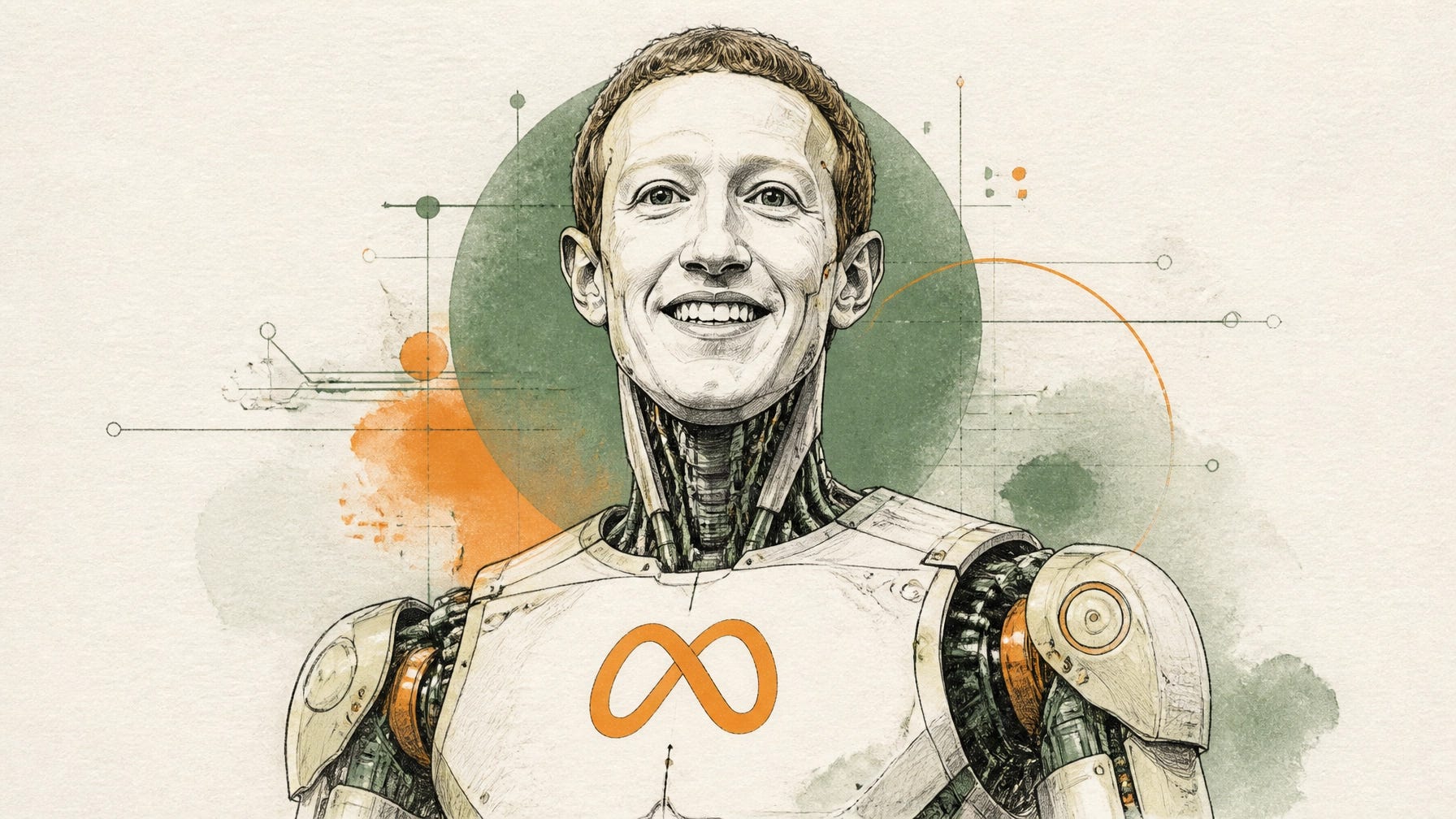
So when Meta rolled out Muse Image on July 7 — an AI feature that can pull from any public Instagram account’s photos and generate new images of that person, turned ON by default unless you dig into your settings and switch it off — I waited for the outrage to feel simple. It didn’t.
Because here’s the thing I had to sit with: I make cartoons of Zuck without blinking, and Meta making a photorealistic copy of me feels like theft. If I’m going to write about consent, I owe it to you to explain why those aren’t the same thing. And once I did, the whole story got bigger than Meta.
Let me draw the line where I actually draw it.
A cartoon is obviously an interpretation. Nobody looks at my Zuck and thinks they’re seeing Zuck. It announces itself as a drawing, as an argument, as a take. Muse Image is engineered to do the opposite — to be indistinguishable from the real person. One is commentary. The other is a counterfeit. Deception is the line.
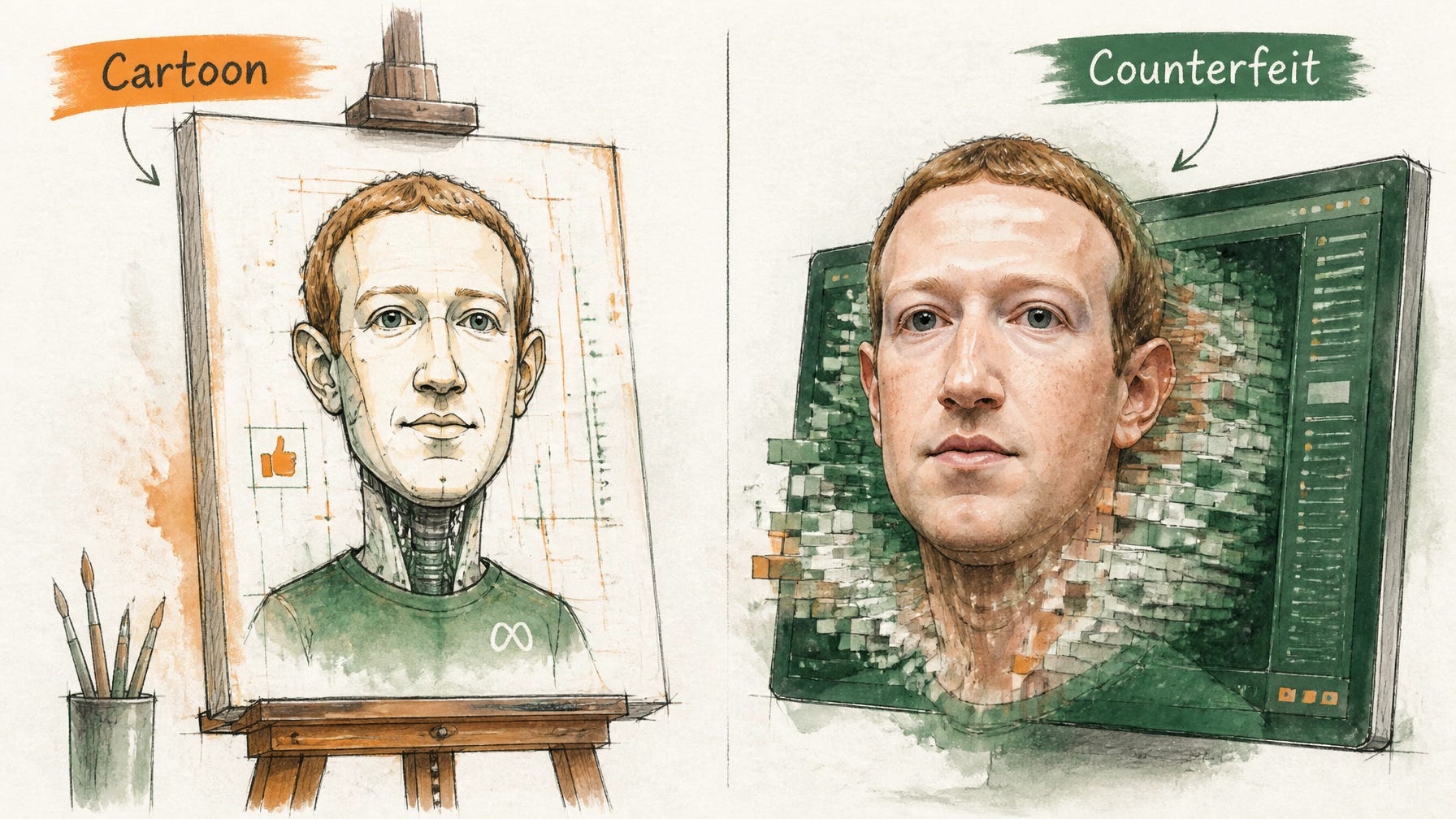
Second: Zuck signed up for scrutiny the day he decided to run Meta. That’s the bargain of being a public figure — you get the power, you get the caricature. The stranger with 400 followers and a public account never made that deal, and Muse just conscripted them into it anyway.
And third, the one that swallows the other two: I chose to publish my cartoons. Nobody chose to be in Muse’s dataset. Consent is the whole ballgame. Blanket, buried-in-settings, opt-out-if-you-can-find-it “consent” isn’t consent. It’s a default with a legal cape on.
Here’s where it stops being a Meta story.
Because I’m not actually anti-AI-likeness. I’ve built AI versions of myself — a voice twin, a video twin. On purpose. And I don’t feel weird about them at all. You want to know why?
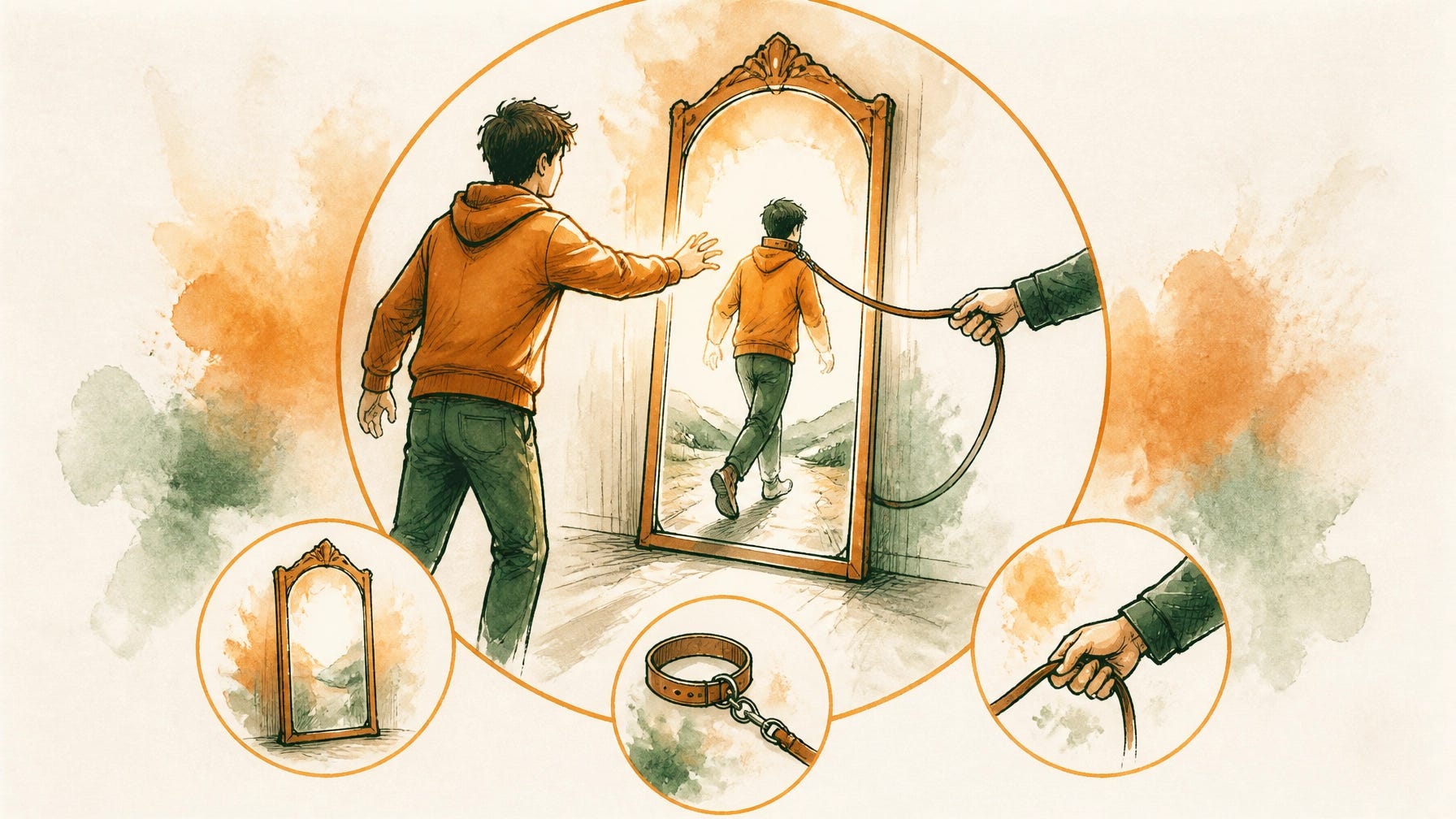
They’re mine. They’re my tools. I decide what they say, where they show up, what they’re allowed to do. The synthetic me exists on a leash I’m holding.
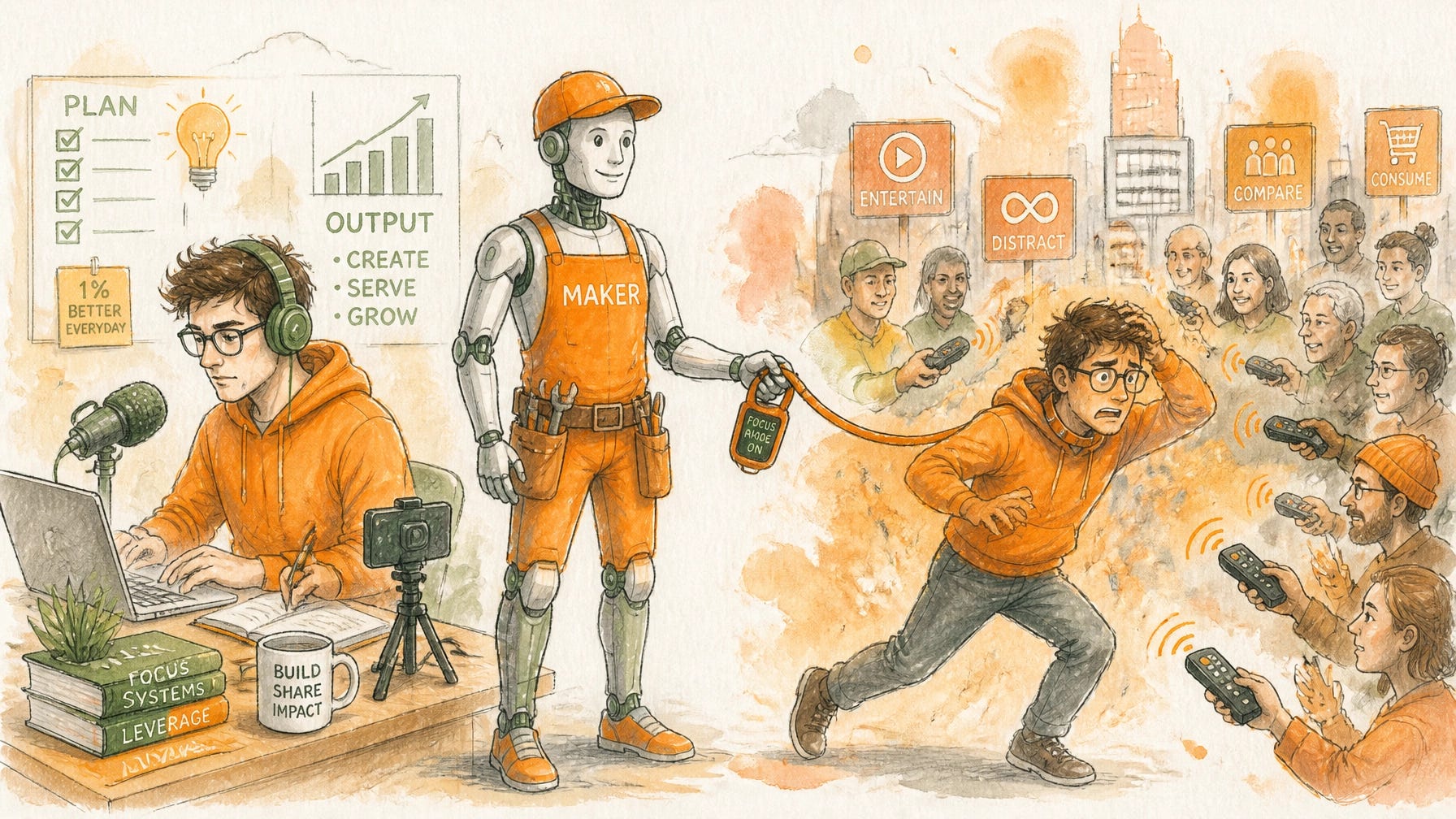
That’s the whole difference. It was never the copy that scared me. A copy of me that I own is just… a very good pair of scissors. The thing that gets under my skin about Muse Image isn’t that a synthetic Nicholas could exist. It’s that everyone would have the remote except me. My face, saying things I’d never say, doing things I’d never do, and no hand on the wheel that belongs to me.
The fear was never the twin. It’s the loss of the wheel.
Now widen the lens all the way out, because this is the part I can’t stop thinking about.
We didn’t get ambushed this week. We said yes years ago — we just didn’t read what we were signing. For two decades we’ve been feeding these platforms our hopes, our dreams, our faces, our friends’ faces, our kids’ first steps, the good day and the worst day. We were told it was free. And the oldest line in tech turned out to be truer than even the people who coined it understood: if you’re not paying for the product, you are the product. None of us grasped the full shape of that deal. I’d bet Zuck didn’t either.
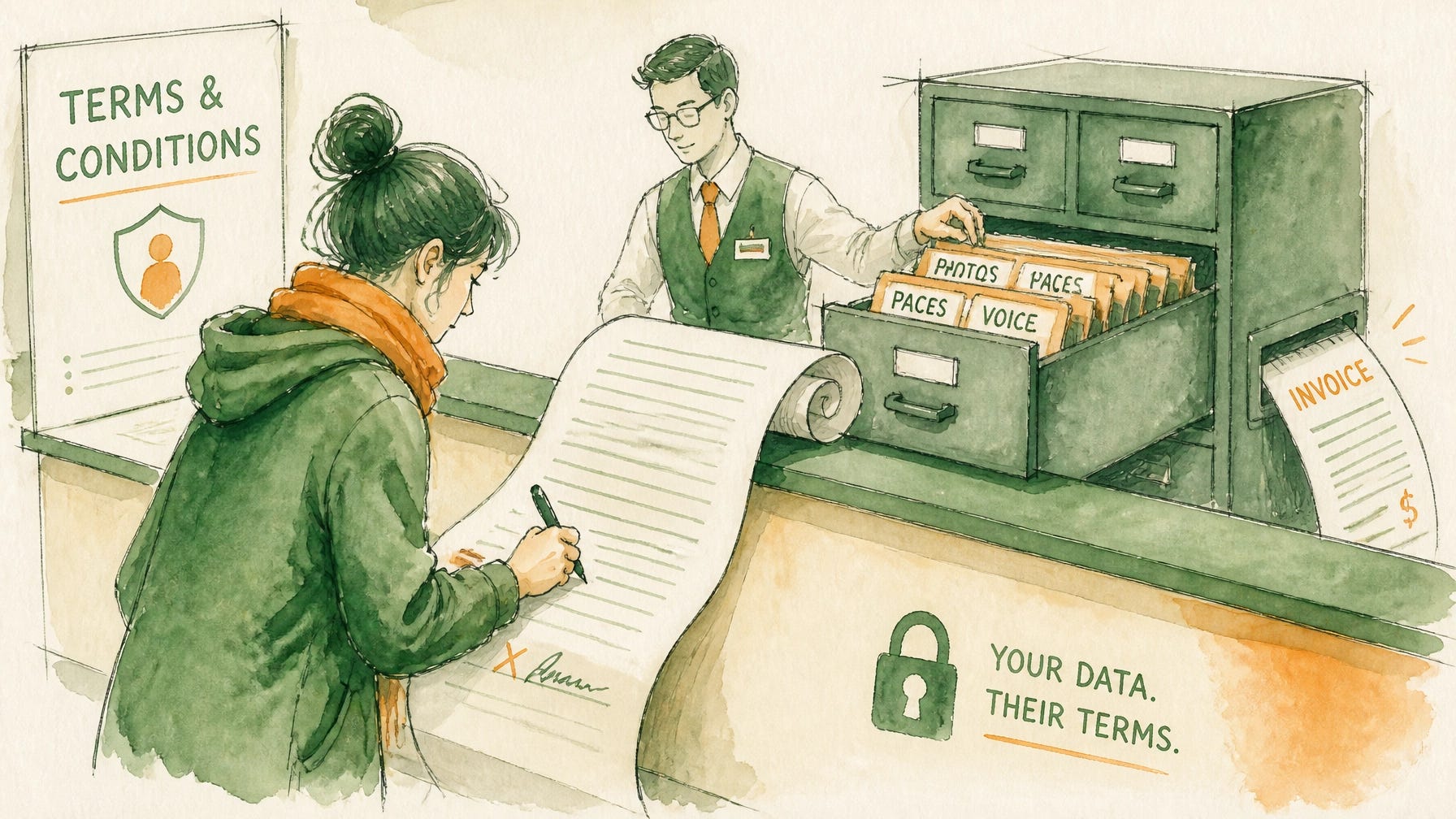
I keep making him the face of this because he’s an easy target and he’s a public figure, so — cartoon rules apply. But let’s be honest. It’s not just Meta. It’s Google, and the photo app you loved in 2014, and the quiz that wanted access to your camera roll, and every service you traded a piece of yourself to because it was convenient and everybody else was doing it. Muse Image is just one of the first invoices that has arrived in a format you could actually read.
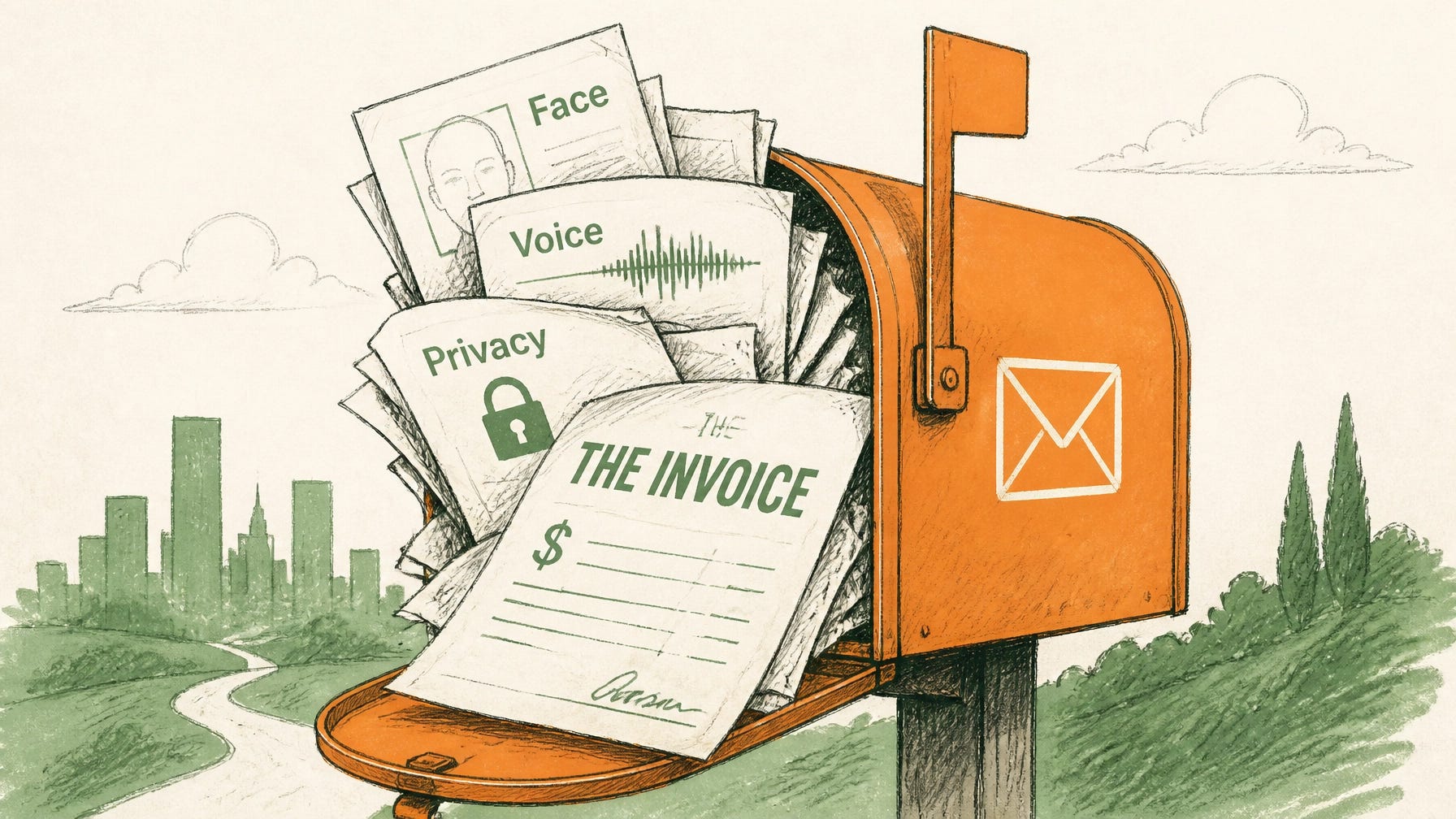
The numbers say we already feel it in our gut, even if we can’t name it. As of this summer, 52% of Americans say they’re more concerned than excited about AI in daily life — half the country now uses this stuff and fears it at the same time. Only 10% lean the other way. Two out of three of us have little to no confidence that anyone in government is going to regulate this well. We know. We just don’t know what to do.
So — are we ready to give ourselves up to the AI?
Wrong question. We already did. The real question is the one nobody handed us a checkbox for: now that the terms are visible, who gets to hold the wheel — you, or everyone else?
Here’s how I’m answering that for myself, starting with the thing you can do in the next four minutes.
First: take back what you can from Meta (do this now)
You can keep your account public and still pull your content out of the likeness engine. Here’s the exact path as of this week (Meta buried it, so follow closely):
