

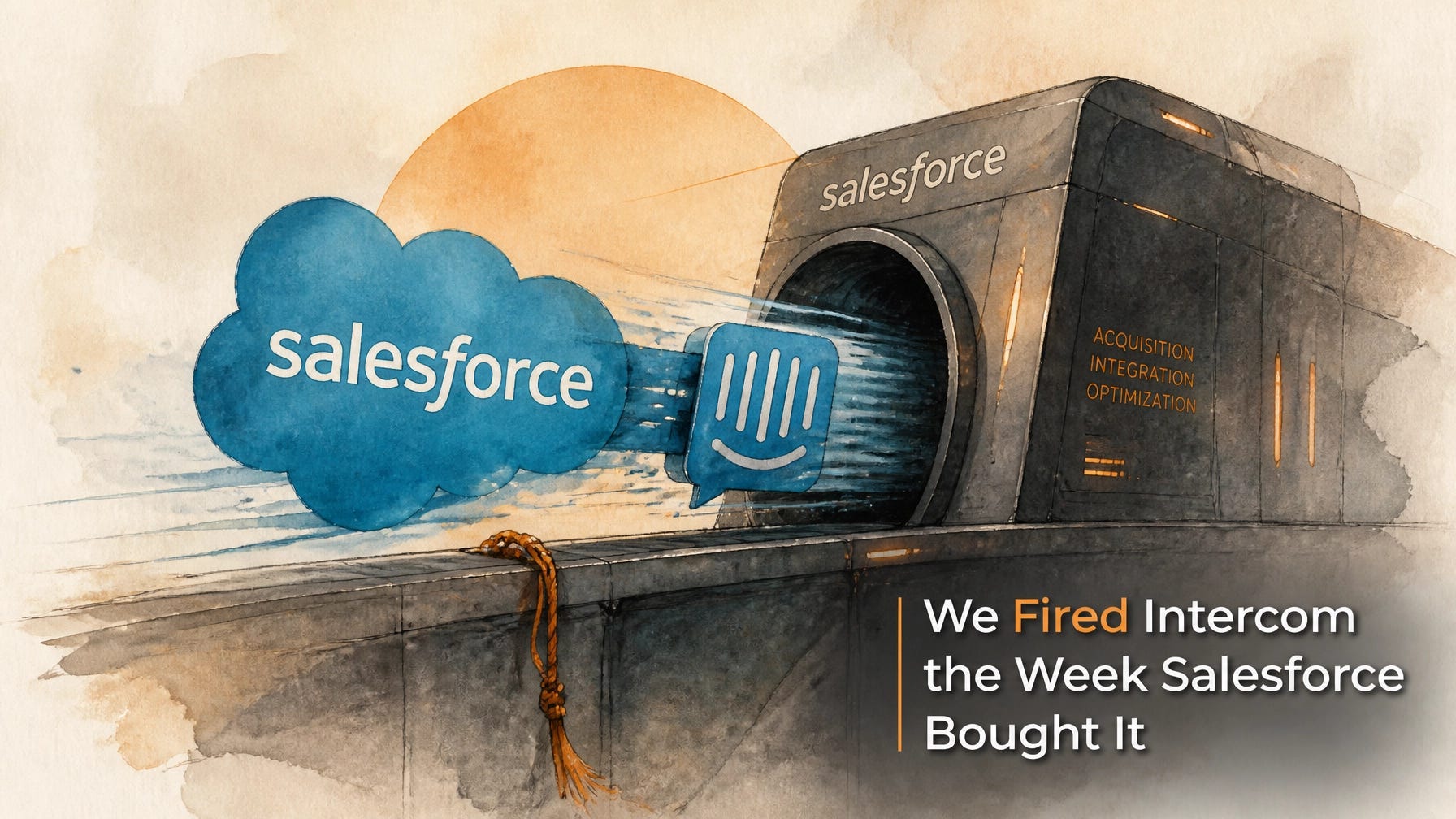
On June 15th, Salesforce announced it was buying Intercom — now rebranded “Fin” — for about $3.6 billion.
We’d already left.
Not because we saw the acquisition coming. We left because we were paying $451 a month to be one customer in a zillion, and the marquee feature we were paying for kept lying to the people we were trying to help.
Let me back up.
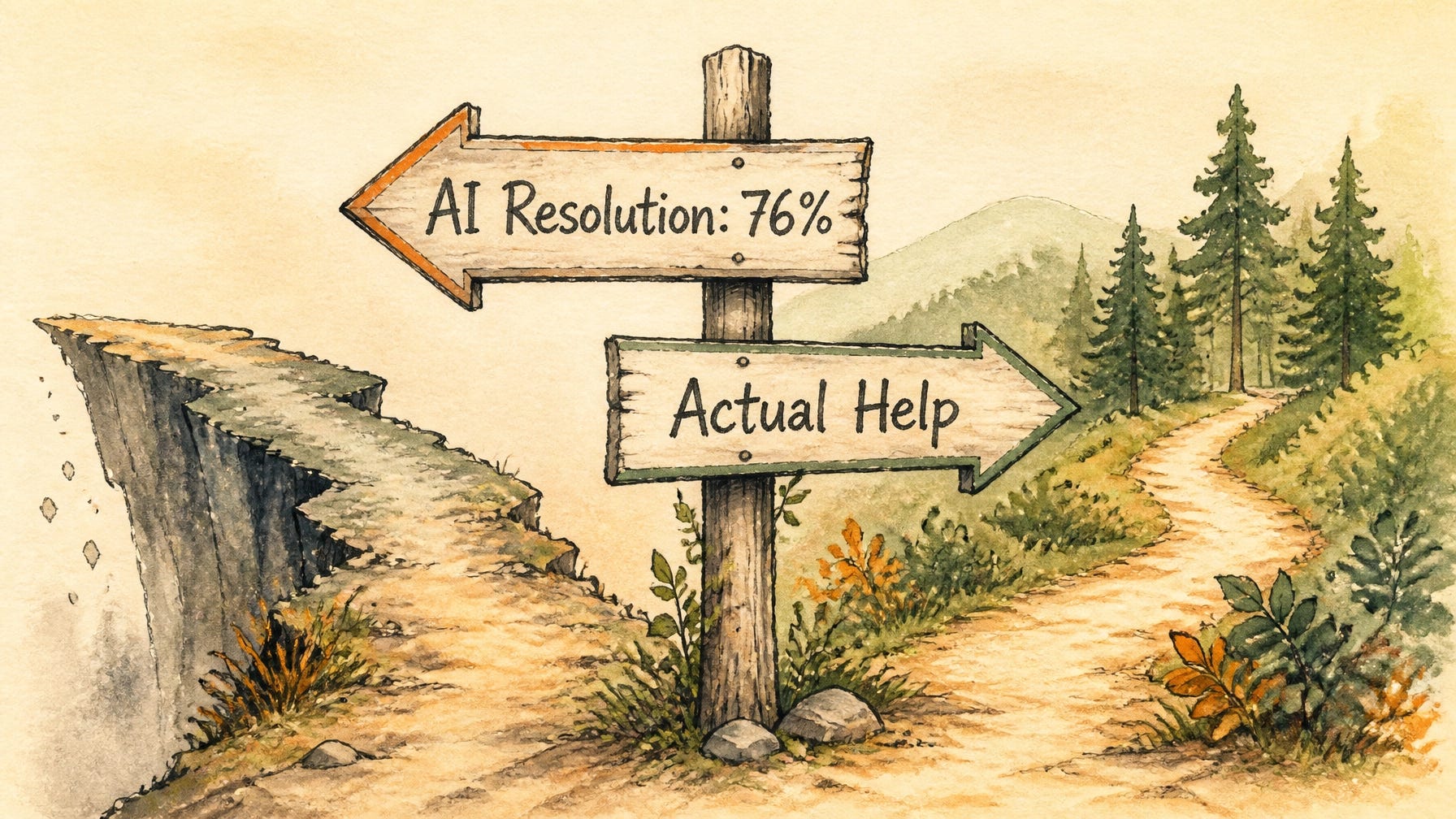
For Pictor.pro — our AI photo booth software — Intercom was the front door. It was how users reached us when something broke, when they were confused, when they were deciding whether to trust us with their event. That chat widget mattered. And the pitch that sold us was Fin, Intercom’s AI agent: it would resolve 80%+ of support requests on its own. Salesforce is now citing 76% in their press release — and pointedly contrasting it with their own Agentforce’s 62%. Big, confident numbers.
Here’s what that number looked like from our side of the glass: a confident AI handing our customers incorrect information.
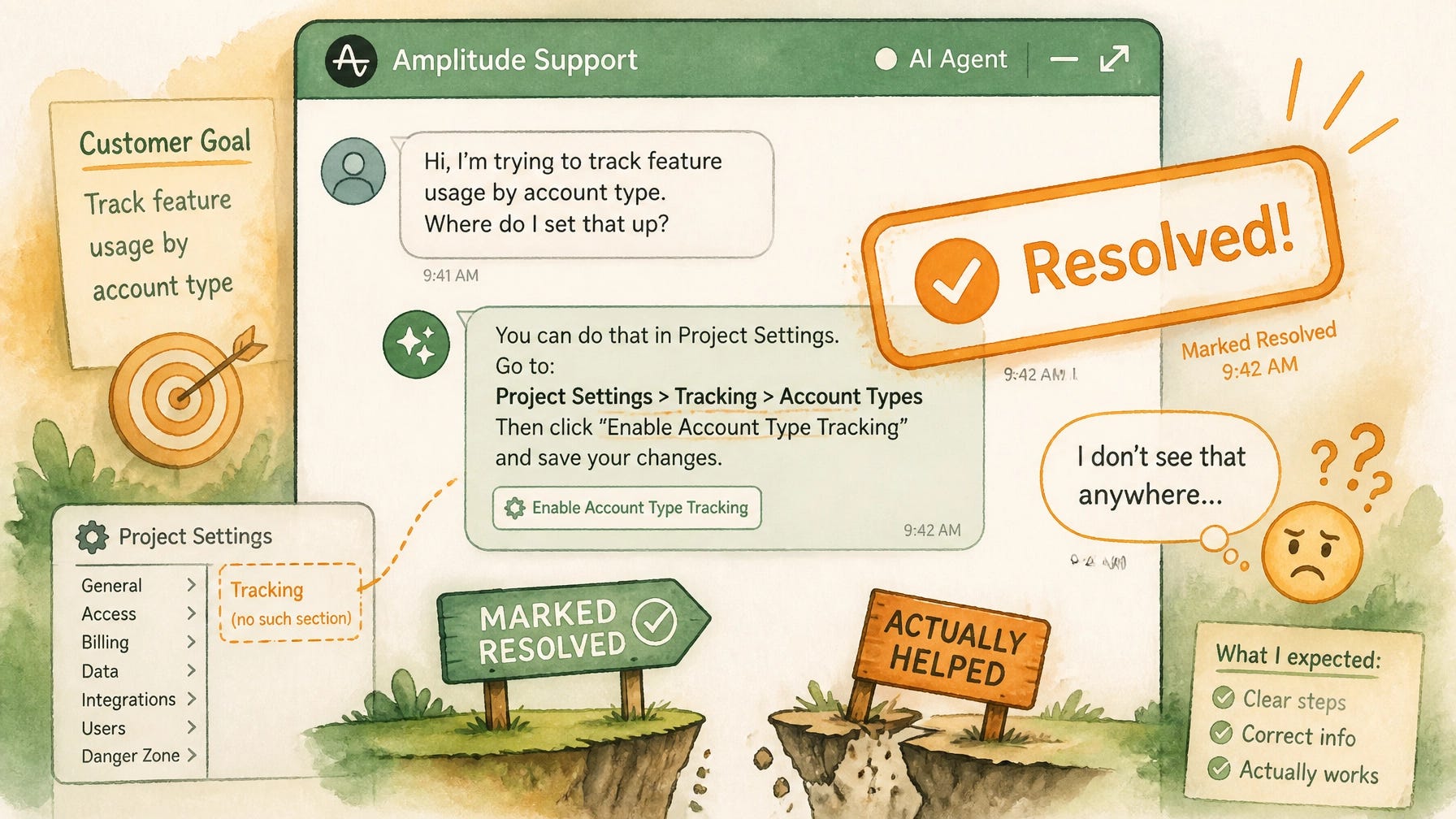
And that’s the part nobody tells you about “AI resolution rates.” A ticket marked resolved doesn’t mean the person got helped. Half the time it means they were deflected — they gave up, or worse, they walked away believing something false about our product. In support, a confidently wrong answer is more expensive than no answer at all. “A human will get back to you in an hour” protects trust. “Here’s the wrong setting, good luck” destroys it.
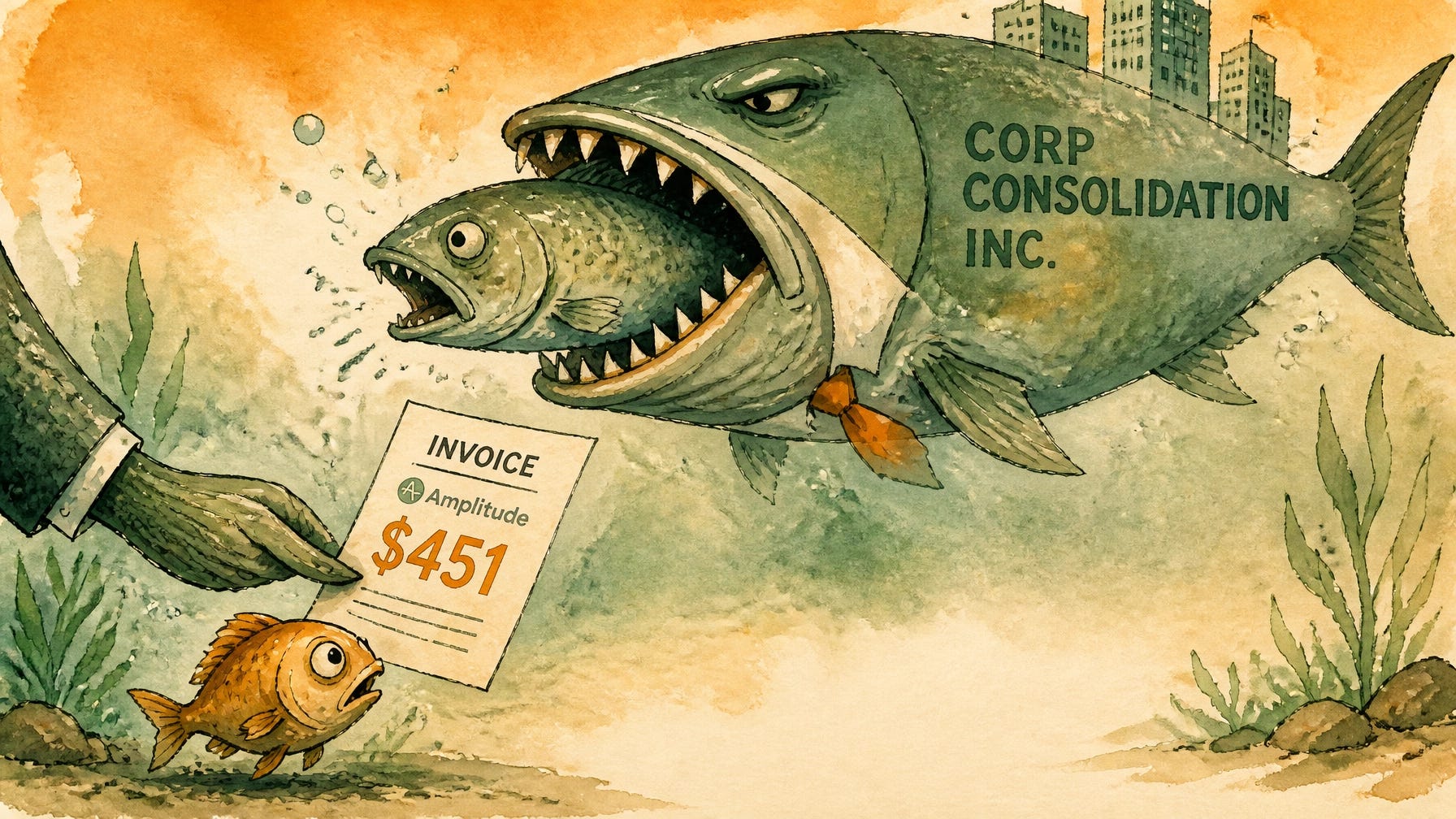
So when I do the math, I wasn’t getting $451 of value a month. I was paying for the privilege of having an AI hallucinate on my behalf. I wasn’t costing Intercom anything close to that to serve, either. The price wasn’t tethered to value — it was tethered to what a market leader could charge while you had nowhere convenient to go.
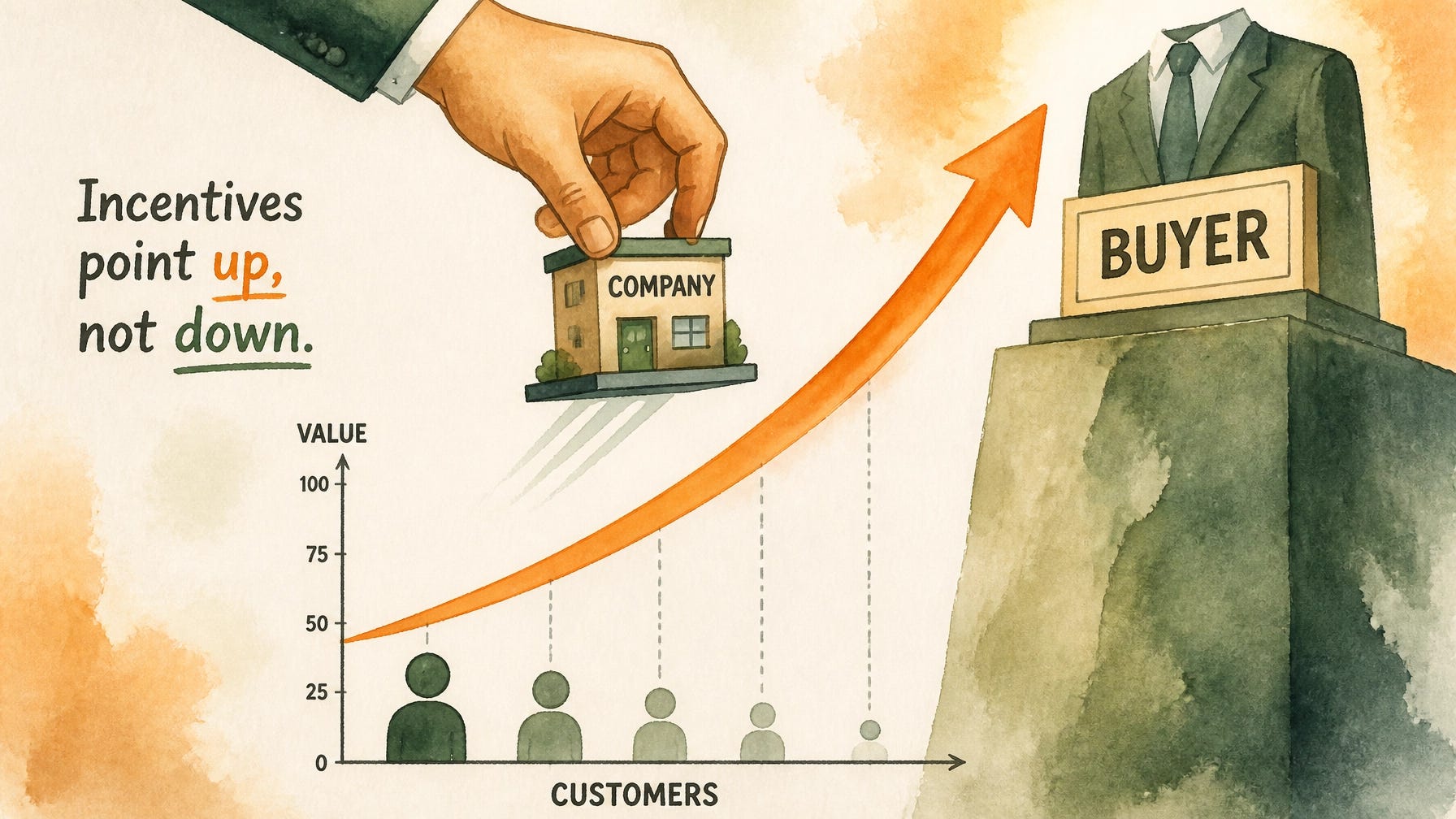
Then I went looking, and I learned something about incentives.
When a company is in acquisition mode, the whole organization is optimizing for one thing: getting the numbers up, as high as possible, as fast as possible, to look as attractive as possible to a buyer. That is a completely rational thing for them to do. It is also almost never aligned with your experience as a small customer. You are a data point in a growth chart, not a relationship. The Salesforce deal didn’t create that misalignment. It just made it impossible to ignore.
I want to be fair: Intercom is a genuinely good product for the right company. If you’re a 200-person org living inside Salesforce already, Fin folding into Agentforce might be exactly what you want. This isn’t a hit piece. It’s a fit story. And we weren’t the fit anymore.
So I did what any of us should do more often: I compared the alternatives. Zendesk, the usual Intercom competitors, the whole enterprise lineup. And then, almost by accident, in an open-source conversation, I bumped into Chatwoot.
What got me excited wasn’t the feature list. It was that when I asked questions, the founders answered — almost instantly. Not a ticket queue. Not a bot. The people who build the thing, telling me directly that they cared whether my business succeeded.
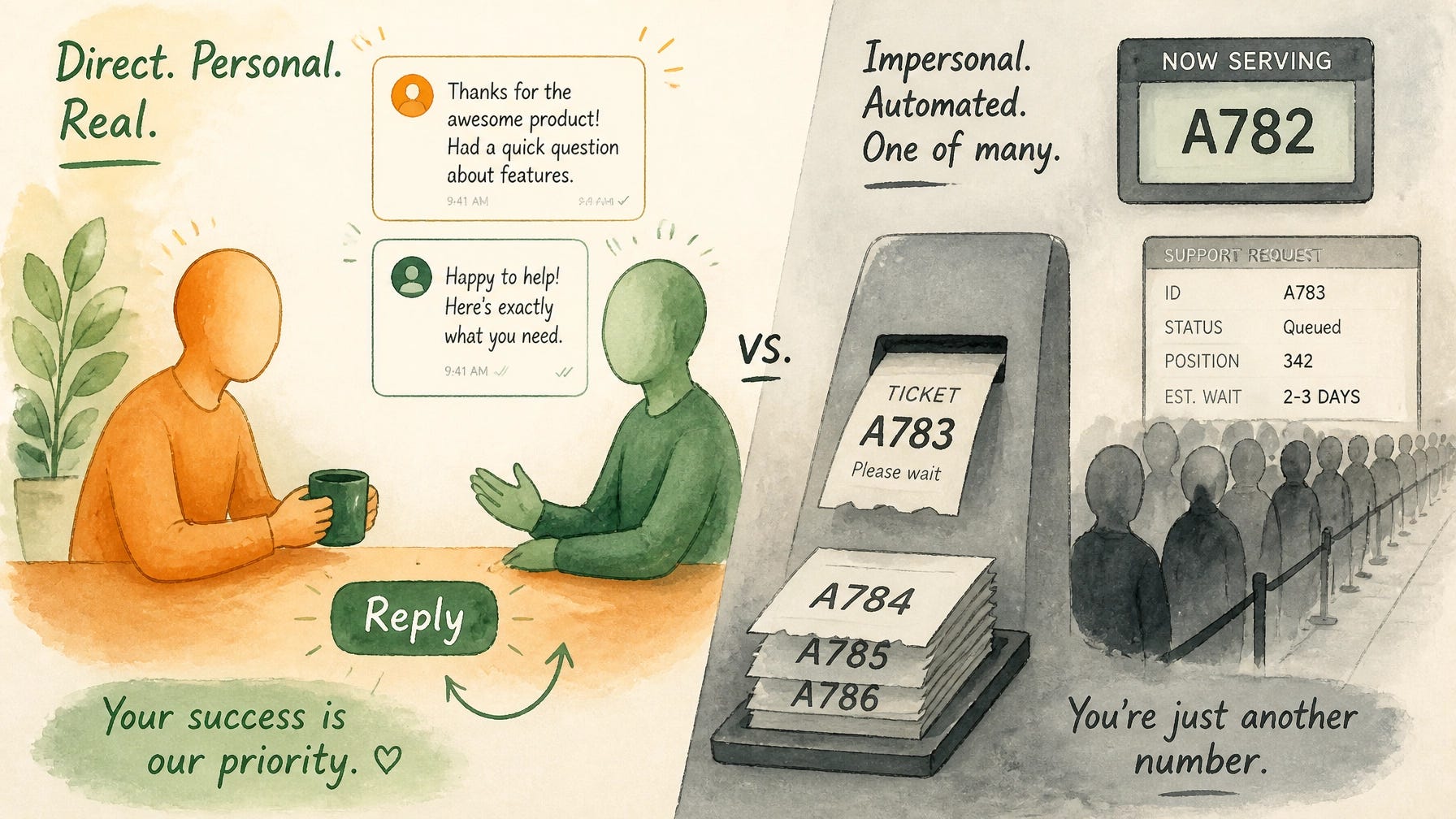
Is Chatwoot perfect? Definitely not. But I’ll take an imperfect tool run by people who answer my tweets over a polished one where I’m a rounding error.
We started self-hosted, just to test the software for real. Once I trusted it, I looked at their paid hosted plans — and the per-seat pricing was genuinely reasonable, so we moved to that and skipped the maintenance burden. Here’s the part that actually matters, though: we can port our data back and forth whenever we want. If we ever need extreme customizations, or if the pricing ever rockets past what we think it’s worth, we move back to self-hosted. On our terms.
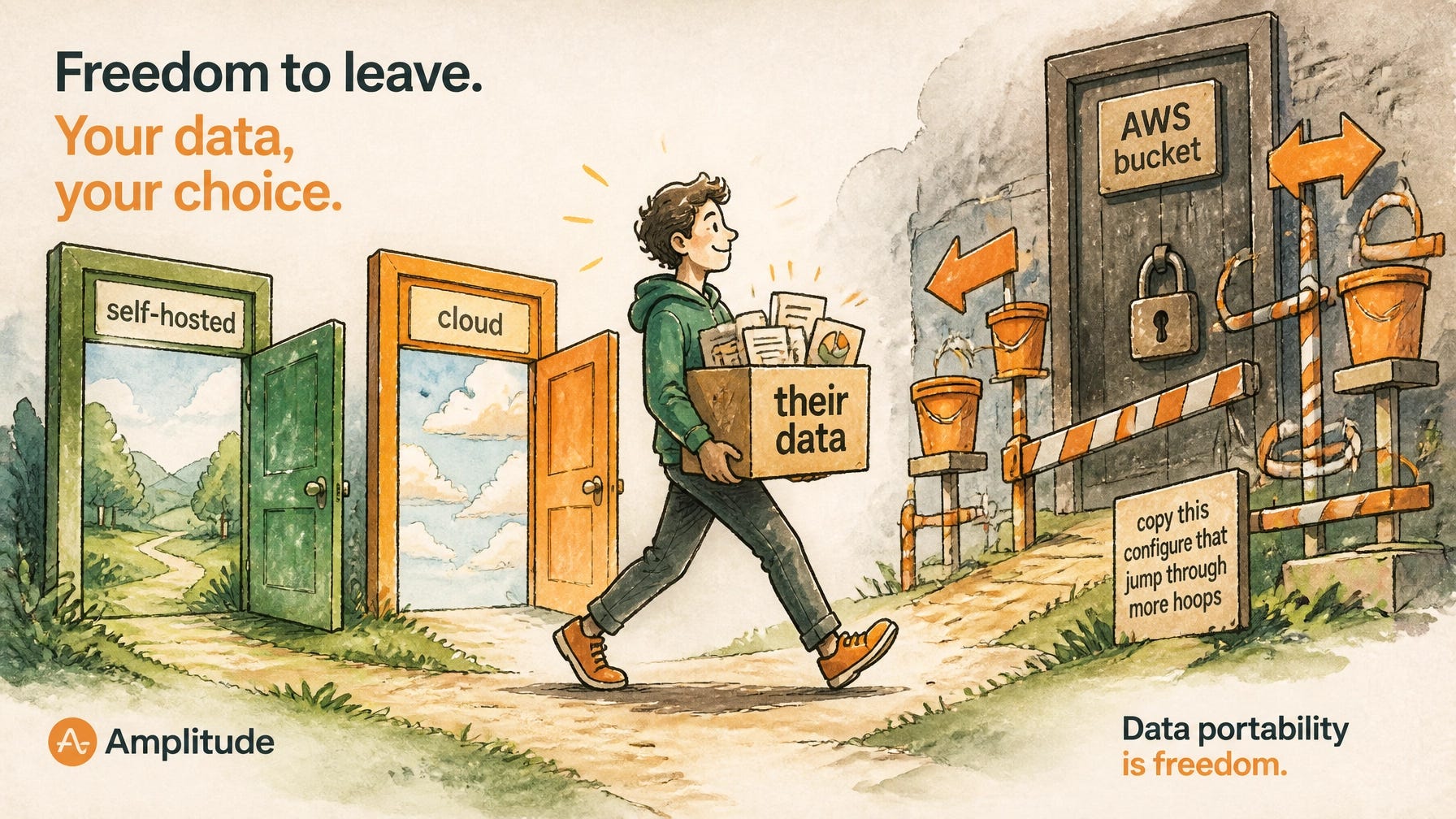
That’s the thing Intercom never gave us. Even leaving was harder than it needed to be — exporting your data means shipping it off to AWS buckets and similar hoops. Friction on the way out is a tell. It says the lock-in was the strategy.
So here’s what I actually want you to take from this, whether you use Intercom or not:
Software gets bloated, then it gets expensive, then it gets acquired, then it gets worse. A smaller tool is often a better fit than the market leader. And the vendors worth your money are the ones who still need you — not the ones who’ve already won and are now just managing you toward an exit.
Which raises the real question. Not “should I leave Intercom?” — that’s specific to me. The real question is: how do you evaluate any critical vendor so you never get caught flat-footed when they get acquired, jack up prices, or quietly stop caring?
I built a scorecard for exactly that. It’s the checklist I now run before I’ll trust any tool with a core part of my business — and there’s one question on it that has saved me more than all the others combined.
The Vendor Evaluation Scorecard
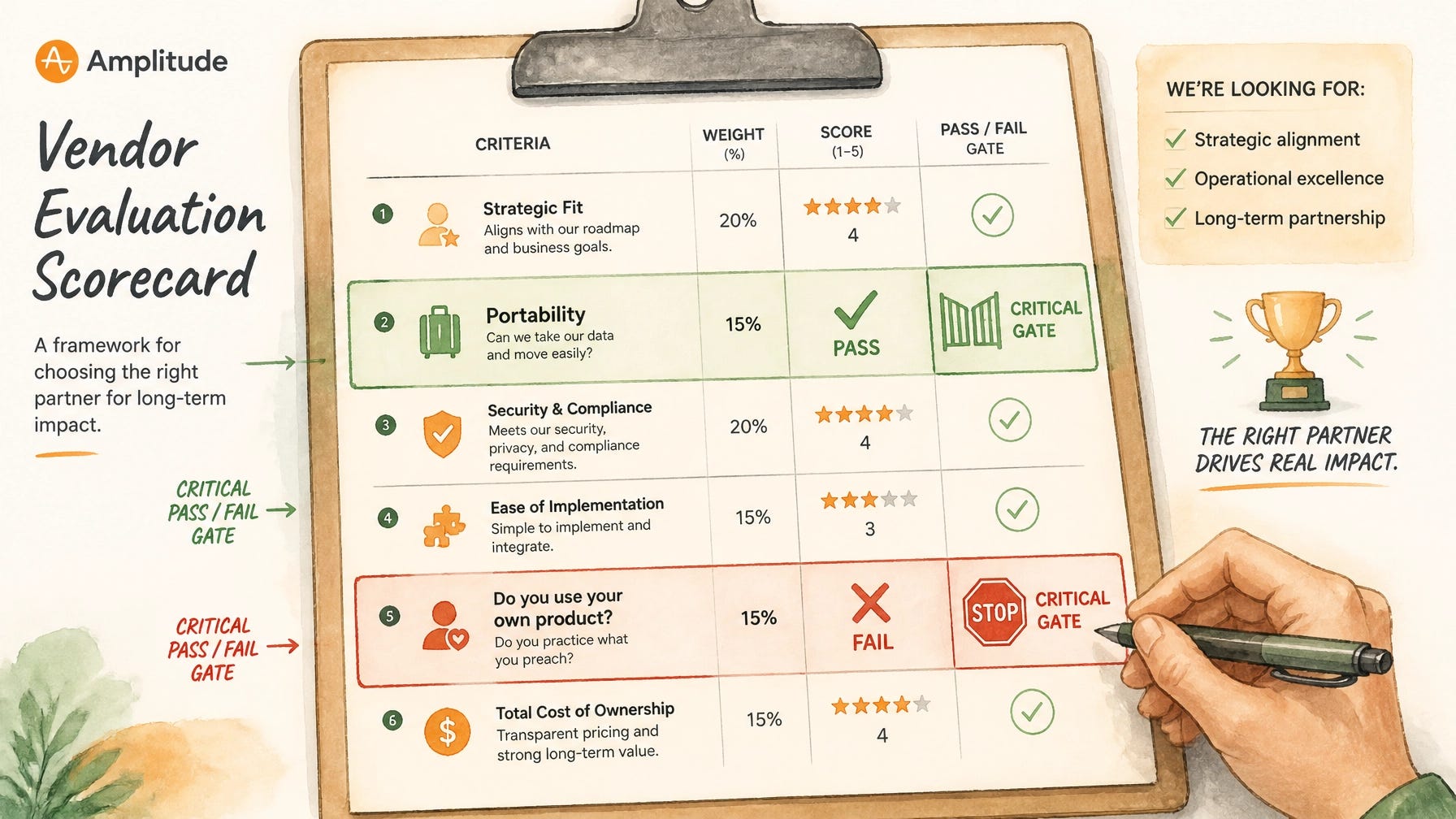
Here’s the framework I run before committing to any tool that touches a core part of my business. Six checks. Run every candidate through all of them before you sign up — and absolutely before you let something become your “front door.”
