


In the digital age, where AI technology shapes much of our interaction and content creation, it's crucial to revisit the foundational aspects of digital ethics and creative integrity. Recent discussions highlighted by articles in the Washington Post, Marketing Brew, and The New York Times underline the necessity of navigating the digital landscape responsibly, especially concerning AI's role in content creation and distribution.
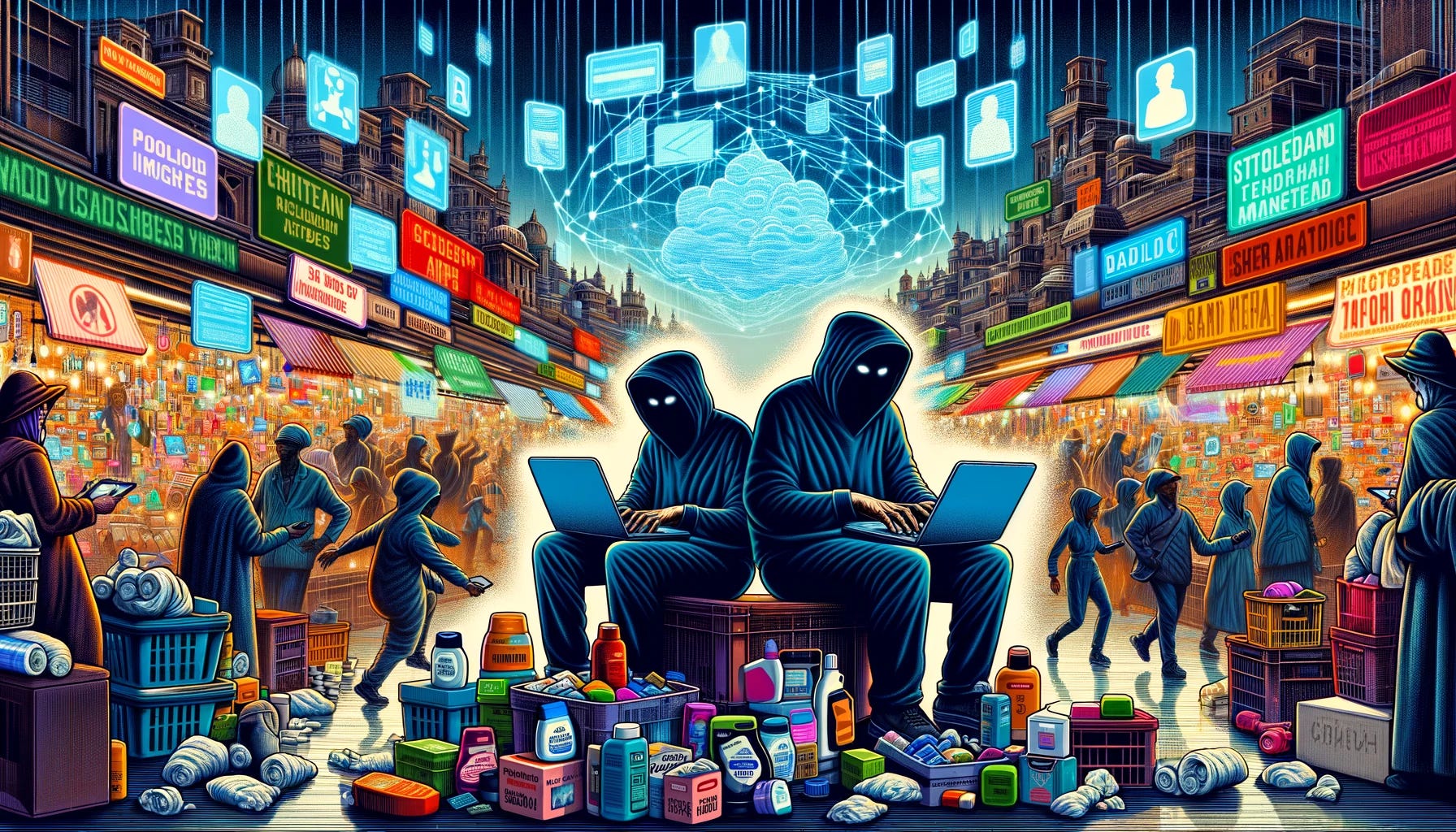
As creative professionals and content creators, it's imperative to understand the fine print of contracts and model releases. These documents not only protect our rights but ensure that the content we create or contribute to is used ethically and responsibly. The emergence of deepfakes and the misuse of AI in cloning images for ads bring to light the darker aspects of technological advancements. However, it's essential to recognize that technology itself isn't the culprit. Like any tool, its impact depends on the hands that wield it. Historically, bad actors have always found ways to misuse innovation, but this doesn't negate the positive potential of AI in creative fields.
The challenge lies in distinguishing between the use and misuse, ensuring that we leverage AI to enhance our creativity and reach while safeguarding against exploitation and unethical practices. By focusing on transparency, consent, and ethical use, we can navigate the complexities of digital content creation in an AI-driven world.
Let's champion the use of AI as a force for good, emphasizing that responsibility lies not with the technology but with those who use it.
#DigitalEthics #AIEthics #CreativeIntegrity #TechForGood #UseAIForGood #BeSmartOnline #AIResponsibility #AI