

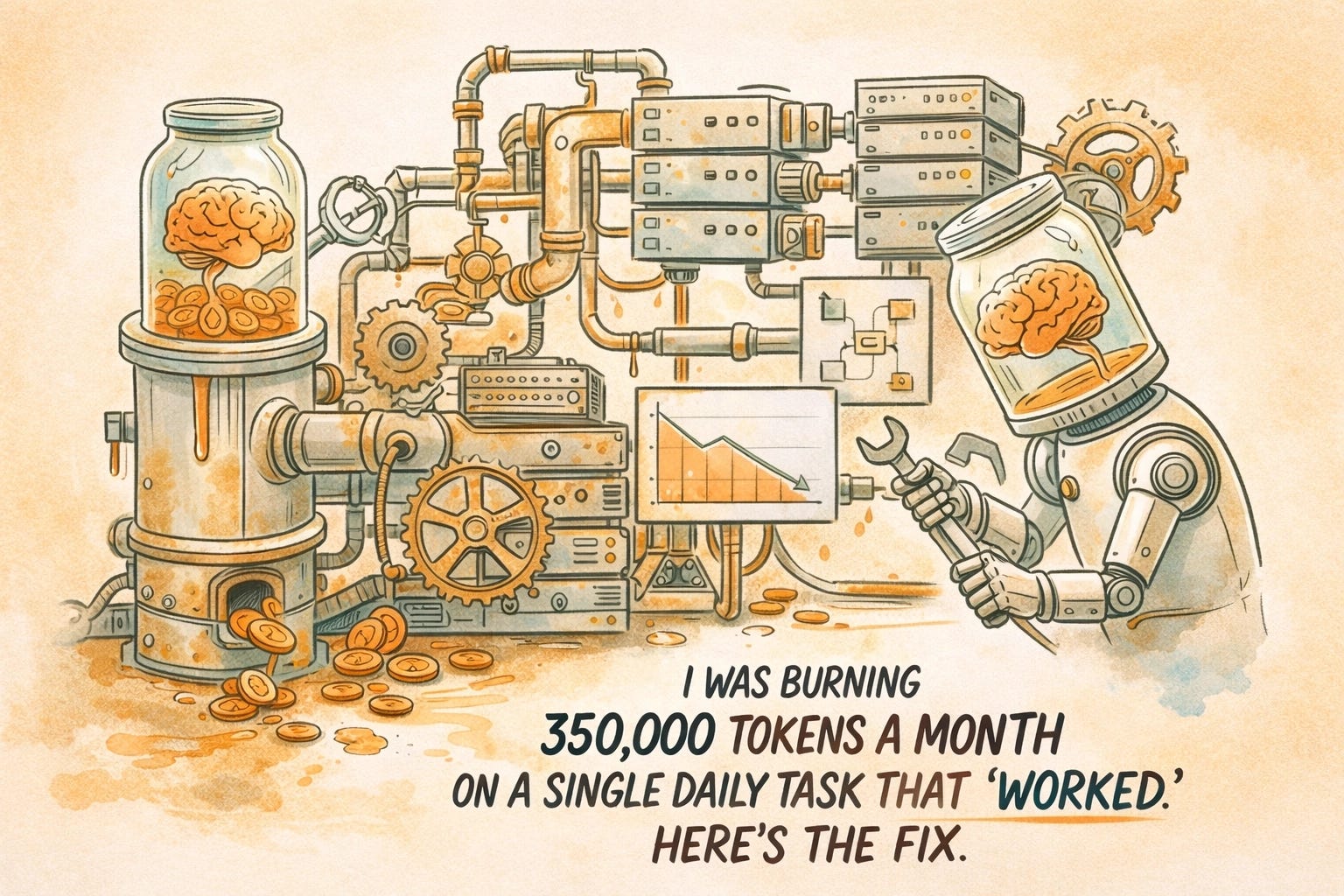
Last week I spent real money on extra Claude credits. Not because I was doing more work. Because I wasn't paying attention to the work I'd already set up.
I've been building automations for months. Scheduled tasks that run every day. Skills that kick in when I need them. Prompts I tuned until they did what I needed. When they worked, I moved on. Build it, ship it, next. That's the job.
What I never did was go back.
Nate Jones published a piece last week on token waste — four levels of it, from rookies loading raw PDFs to advanced users drowning their agents in context. Reading it, I had a moment of recognition: I'm doing this. Not the rookie stuff. The other stuff. The stuff you don't notice because you built it months ago and it's been quietly "working" ever since.
Here's the thing about working: it doesn't mean efficient. It means the output looks right. That's a much lower bar.
We were trained to think the internet is free. You open a browser, you search, you scroll, you watch 22 hours of YouTube videos a week, you scroll endlessly on TikTok — and none of it costs you anything obvious. Data centers are running, energy is being burned, infrastructure is being maintained, but that's someone else's problem. Your tab is free.
AI compute doesn't work like that.
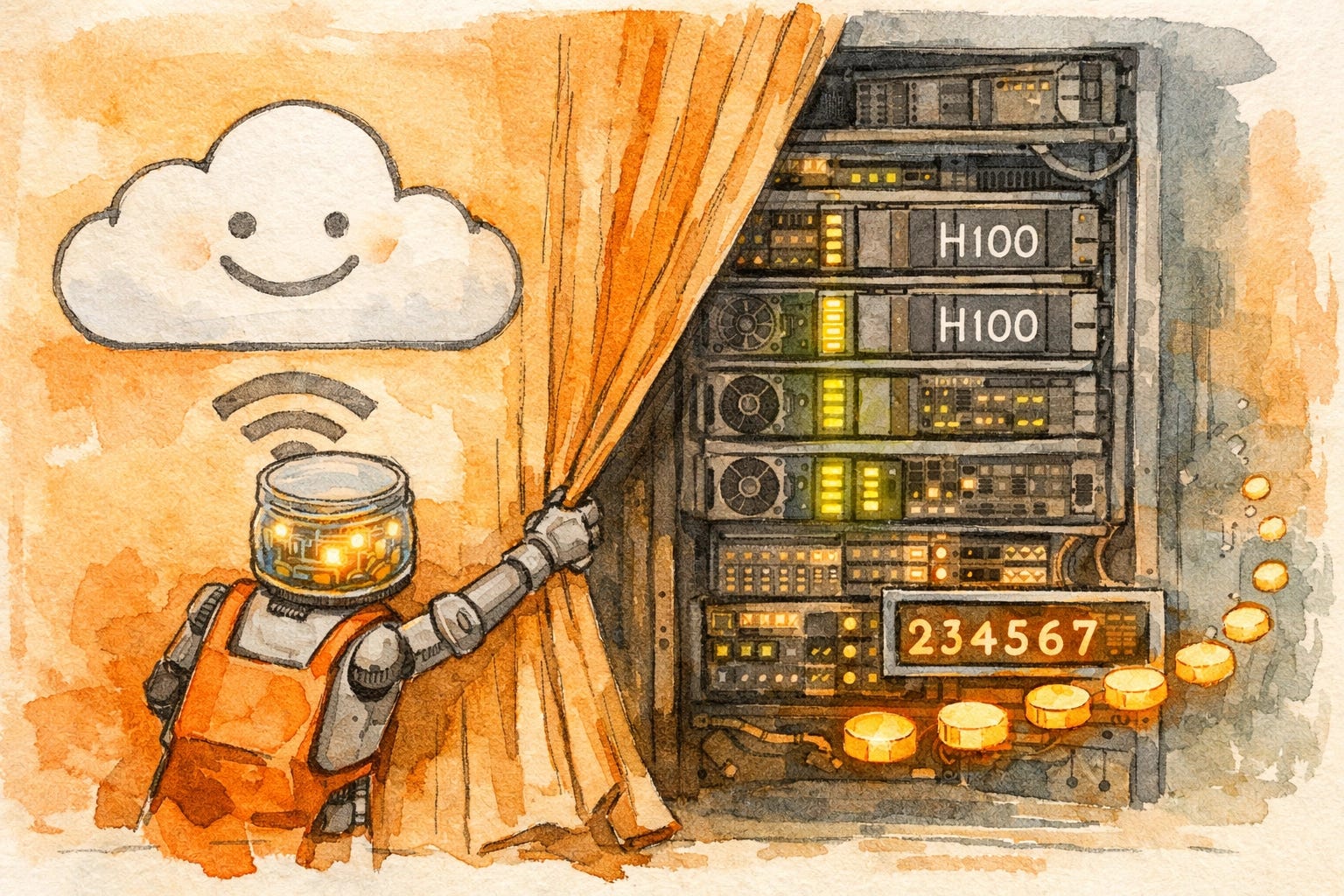
Every token is a real cost — in money, in your usage limit, and in actual energy consumed. And unlike the internet, where your behavior has no visible consequence, here the bill shows up fast. Hit your limit. Buy more credits. Do it again next week.
I spent a fortune on extra credits last week. When I sat down to figure out why, I found the answer everywhere.
Screenshot habit. Every task I'd built was taking screenshots at intermediate stages to "see what's there." Screenshots to confirm a page loaded. Screenshots to read text off a page. Screenshots to verify steps the previous step already confirmed. get_page_text exists. It returns clean text in one call. I wasn't using it.
PDF habit. Same idea, different format. Raw PDFs are one of the most expensive ways to feed information into Claude. I know this. I was still doing it.
But the biggest one — the one I'd never thought about at all — was my recurring tasks.
I have scheduled tasks that run every day. They were built to solve a problem, they solved it, and I moved on. I never looked at whether they were doing it efficiently. Why would I? They worked.
When I finally looked at one — a daily task that exports Facebook group member requests to a Google Sheet and approves them — I found 11,800 tokens of waste in a single run.
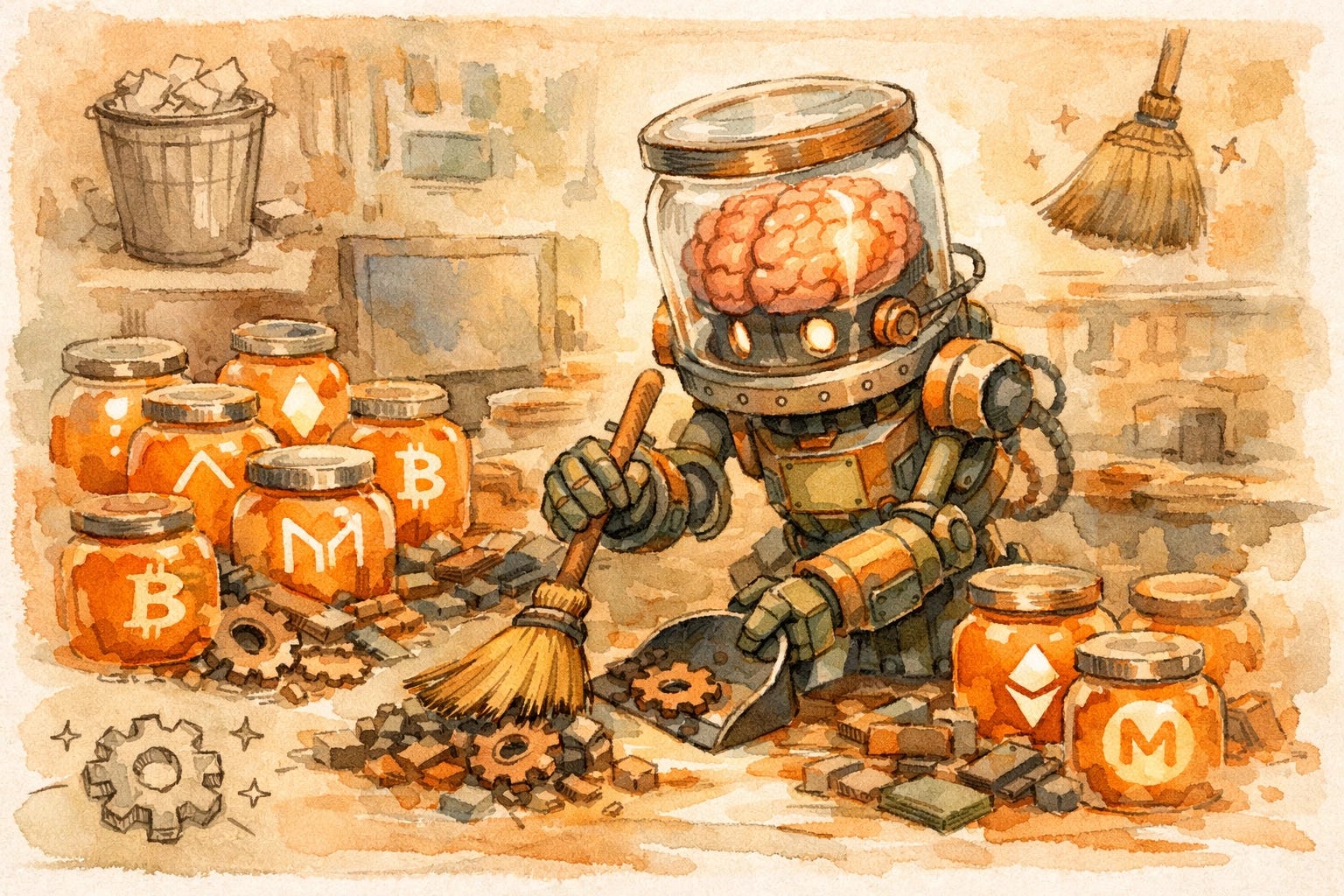
Three ToolSearch round-trips the task didn't need (the prompt never declared which tools it used, so every run started by going looking for them). Screenshots where get_page_text would do the same job in one call. Five navigation steps to find the last row in a spreadsheet, when a single JavaScript call returns it directly. A re-copy step that only existed because the clipboard was getting clobbered between steps that should have been atomic.
At daily cadence: 350,000+ tokens wasted per month. On one task.
I have a lot of tasks.
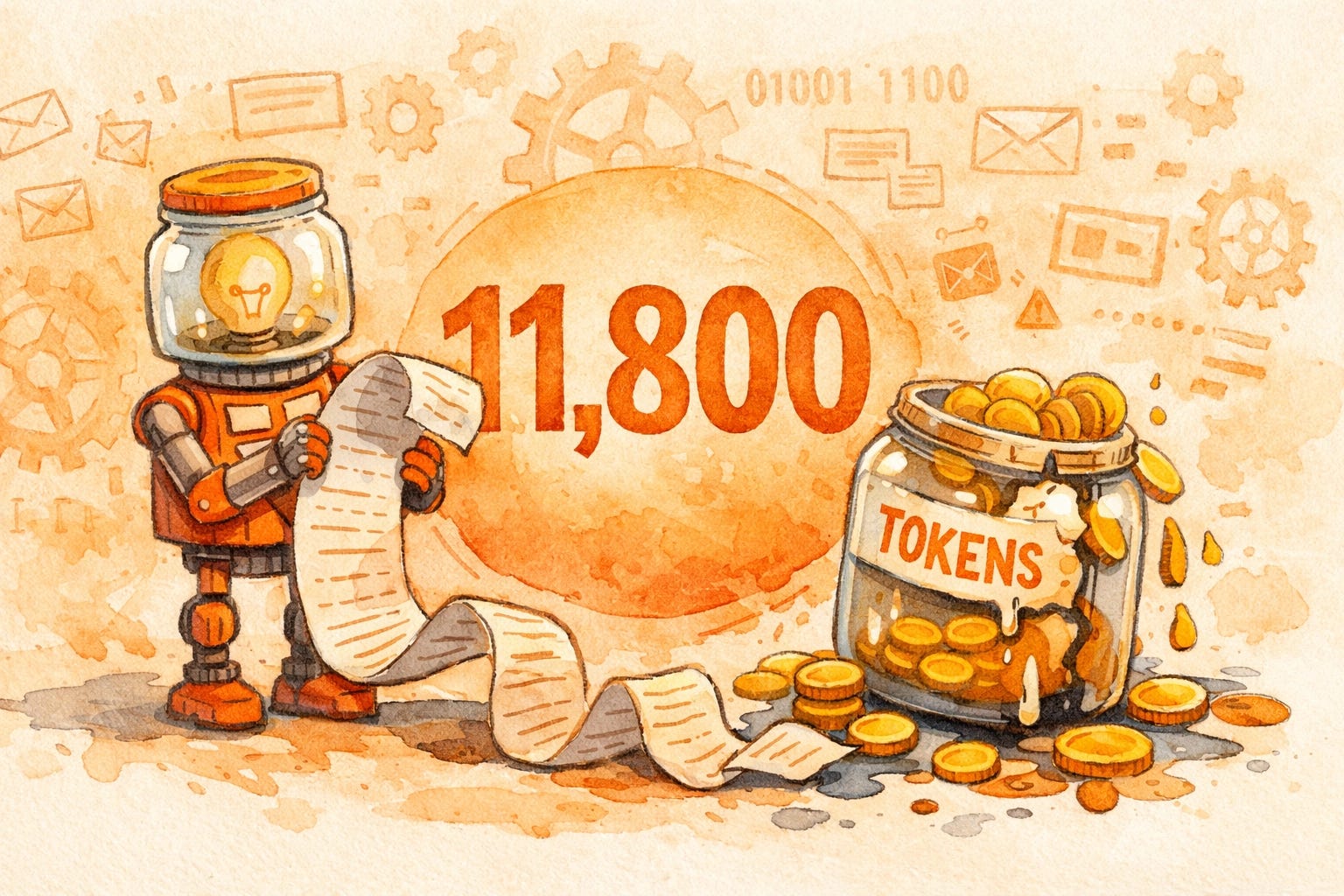
Here's the category Nate didn't cover, and I think it's the biggest one for anyone who's been building seriously: automated task bloat.
Prompts running in the background. Producing correct output. Burning tokens on patterns nobody ever audits because correct output and efficient output look identical from the outside.
Build-and-forget is a great strategy for shipping. It's a terrible strategy for token efficiency. The thing you shipped six months ago has never been revisited. It's doing everything it was told — including every wasteful habit you had when you wrote it.
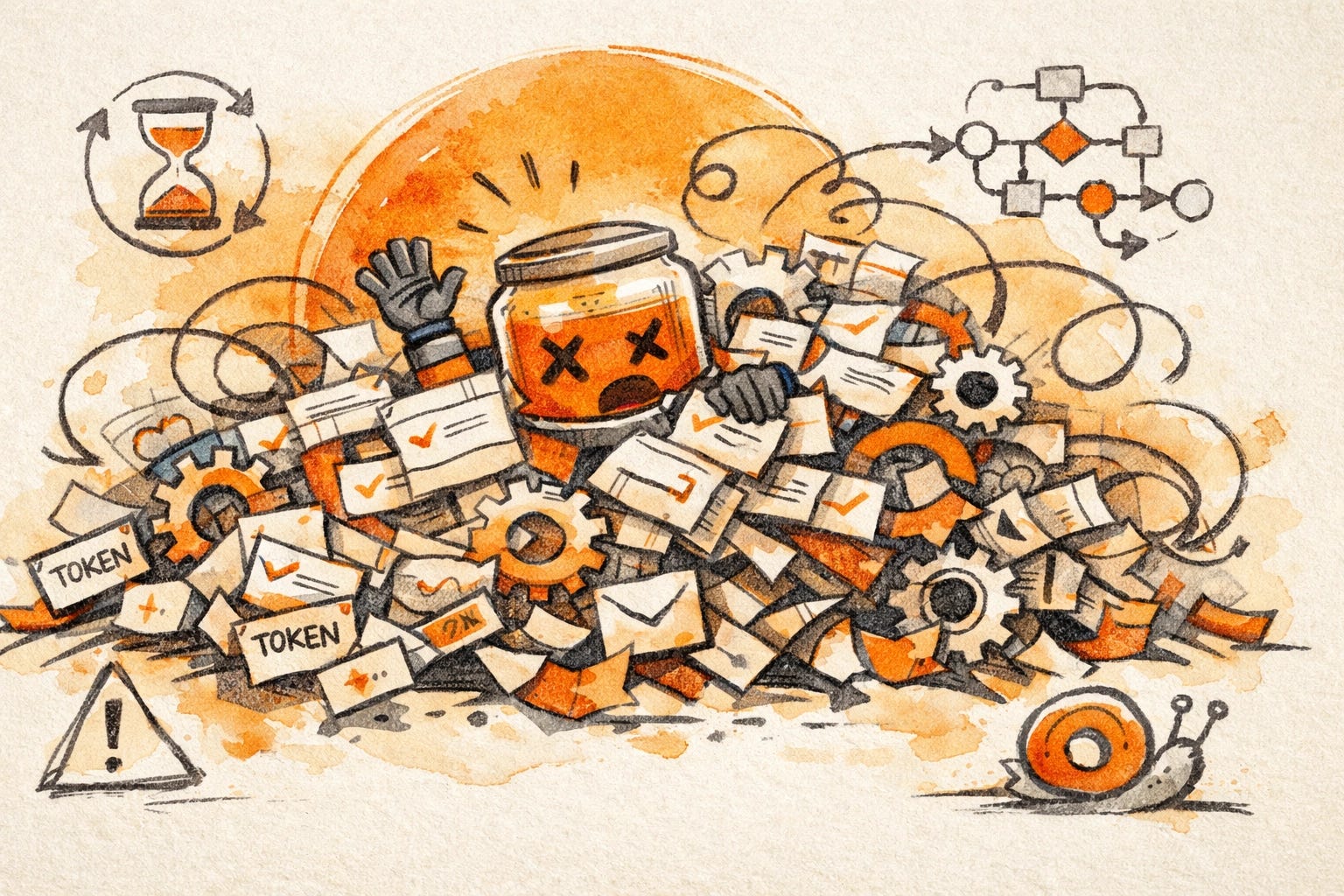
And even if you're not hitting your limits: this matters. The compute doesn't disappear. The energy doesn't disappear. "I'm not paying for it directly" is not the same as "it doesn't cost anything." Do your part.
The fix was obvious, and I did it the obvious way — laziness. Instead of auditing every task manually, I wrote two prompts. One to optimize all my skills. One to optimize all my scheduled tasks. Drop them into a fresh Cowork session and they do the work.
Both are below.
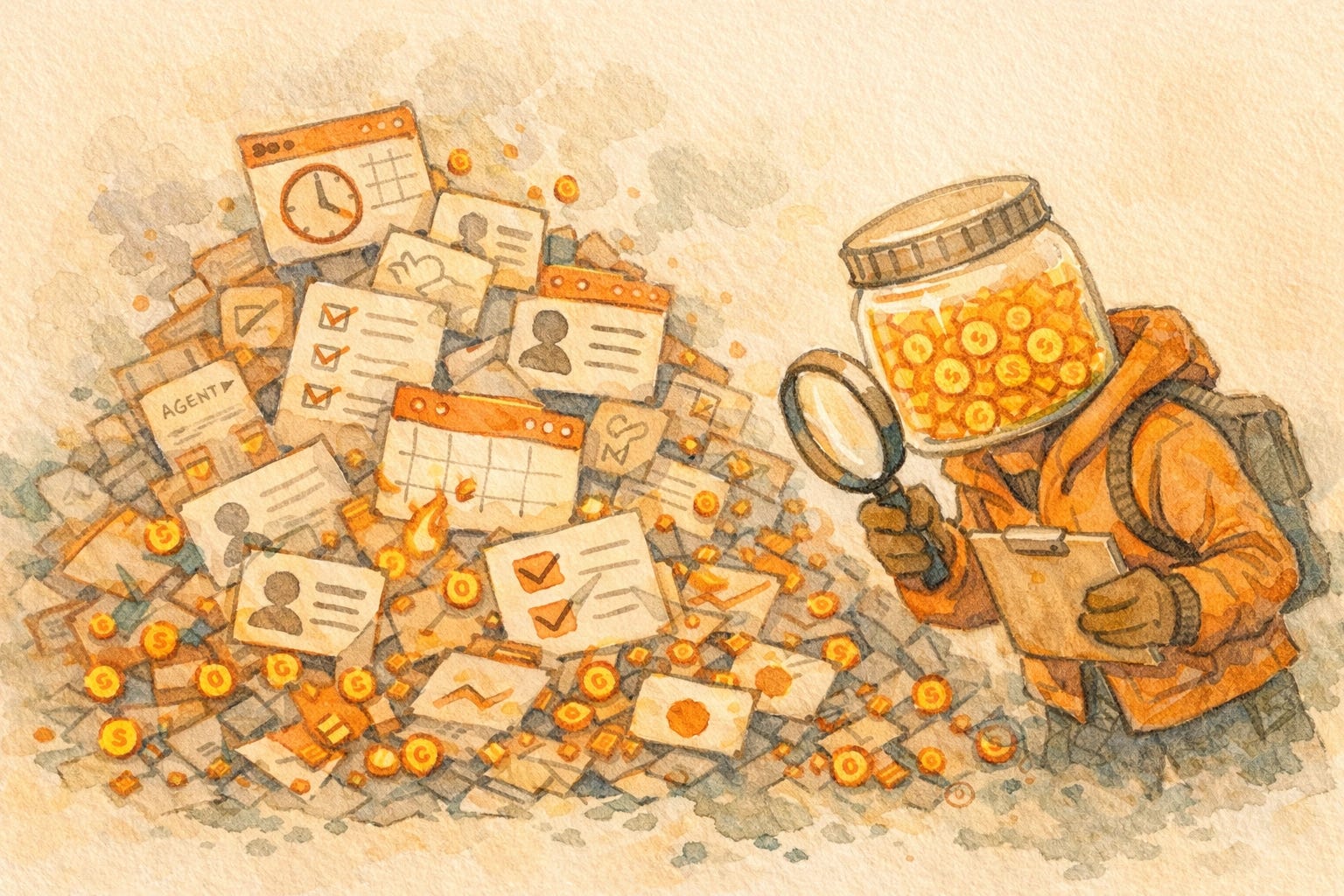
Prompt 1: Audit and optimize all your skills
Paste this into a new Cowork session. It reads every SKILL.md in your skills directory and rewrites the instructions to cut token waste per run — without touching what the skill actually does.
