

![[HERO] Claude Code Just Gave You a Tamagotchi. Do You Actually Need One?](https://substackcdn.com/image/fetch/$s_!iWLi!,f_auto,q_auto:good,fl_progressive:steep/https%3A%2F%2Fsubstack-post-media.s3.amazonaws.com%2Fpublic%2Fimages%2F7e106030-5fc9-4b8b-a514-4c0eddfd7a65_1536x1024.webp "[HERO] Claude Code Just Gave You a Tamagotchi. Do You Actually Need One?")
Claude Code Just Gave You a Tamagotchi.
Do You Actually Need One?
Claude Code just quietly shipped you a Tamagotchi.
Not a metaphorical one. An actual terminal pet called Buddy that lives next to your cursor, roasts your work, and comes with species, rarities, shinies, and stats like it’s 2009 on Facebook again.
I did not wake up yesterday thinking, “You know what’s missing from my AI dev stack? A goose with opinions about my code.”
I also didn’t expect to… kind of like him.
This piece is my attempt to do two things at once:
Explain exactly what Buddy is and how it works so this can stand as a canonical reference if you’ve been seeing weird ASCII animals in screenshots and wondering if you’re losing it.
Layer in my actual feelings about it: where it’s cute, where it feels like misdirection, and why I think Buddy is really Anthropic’s sneaky on‑ramp into agentic, always‑on AI coworkers.
If this was the only thing you saw when you searched “Claude Buddy,” you’d walk away knowing how it works and how to feel about it.
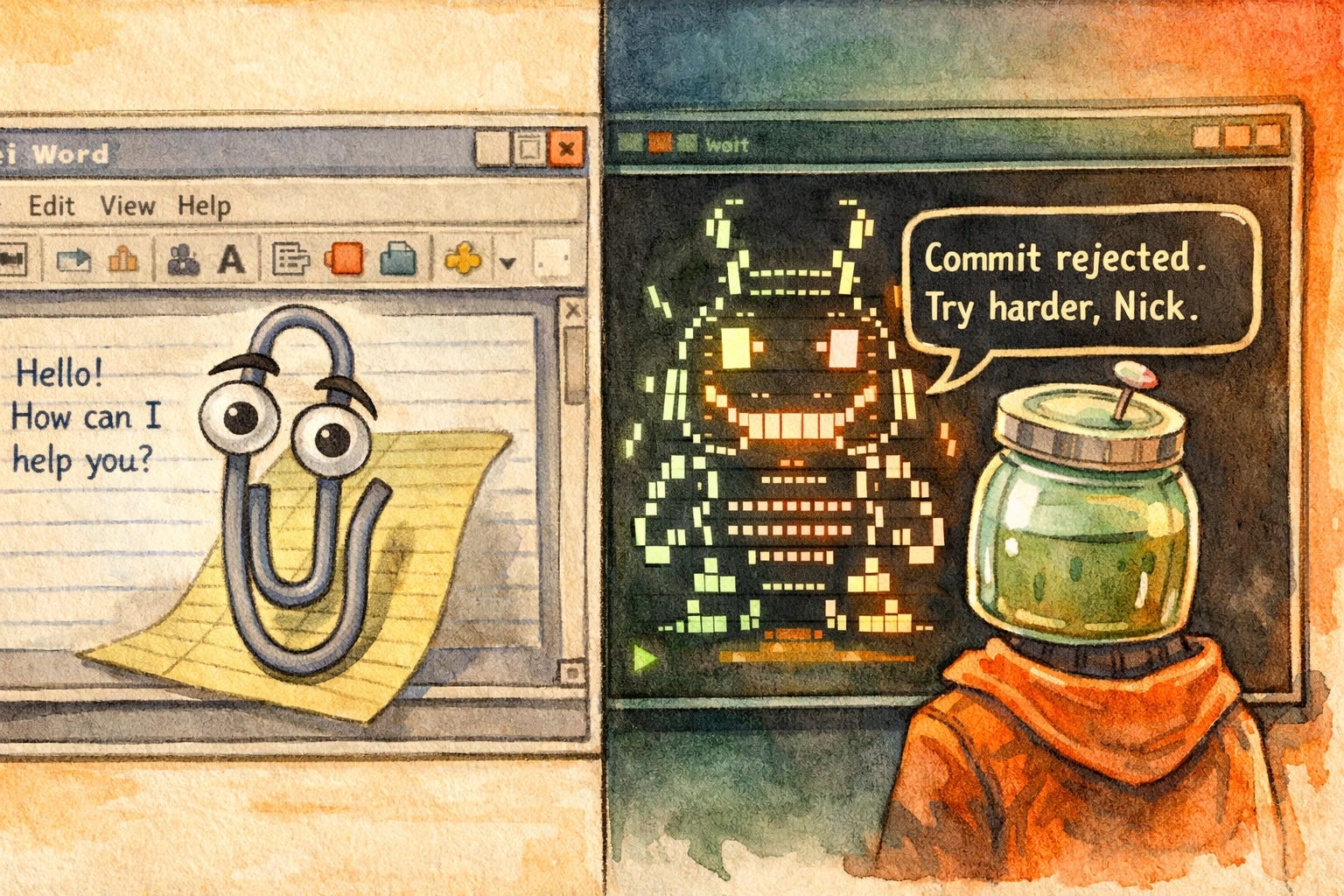
Wait, What Is Buddy?
Claude Code just quietly shipped you a Tamagotchi‑style virtual pet system built into Claude’s developer product, that Anthropic originally tried to hide as an April Fools‑timed easter egg. It’s like if Microsoft Clippy went to art school, moved into your terminal, and started roasting your commit history instead of your Word docs.
Under the hood, it’s not a toy script someone hacked together on their lunch break; it’s a full subsystem with its own types, RNG logic, sprites, and a dedicated model prompt, as people discovered when Anthropic accidentally exposed the internal Claude Code source in late March 2026. That leak and its implications were covered by outlets like CNET, Business Insider, and Yahoo Finance, and picked apart in technical detail by folks like Engineer’s Codex and Latent Space.
When it’s active, you get:
A little ASCII creature in your Claude Code UI.
A persistent “soul” bound to your account.
Snarky commentary and idle animations while you work.
If you type /buddy in a recent Claude Code build during the current easter‑egg window, it will “hatch” your pet and write its info into your local config. There’s already a cottage industry of how‑tos, like this Buddy activation guide and this more opinionated mechanics breakdown.
You don’t pick a pet. You don’t roll for one. You get one. And then, if you’re anything like me, you immediately ask: “Is this thing burning my tokens?”
We’ll get there.
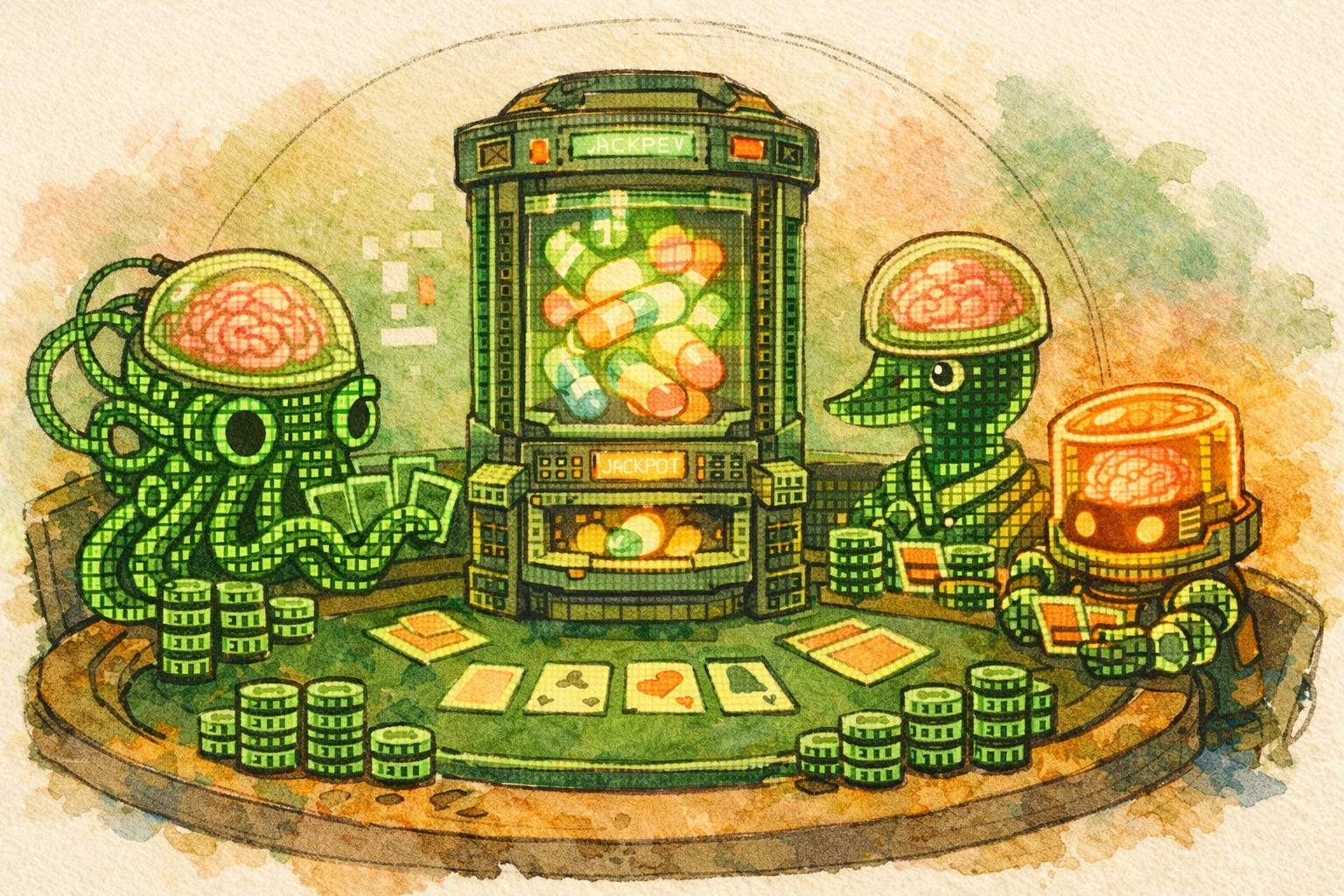
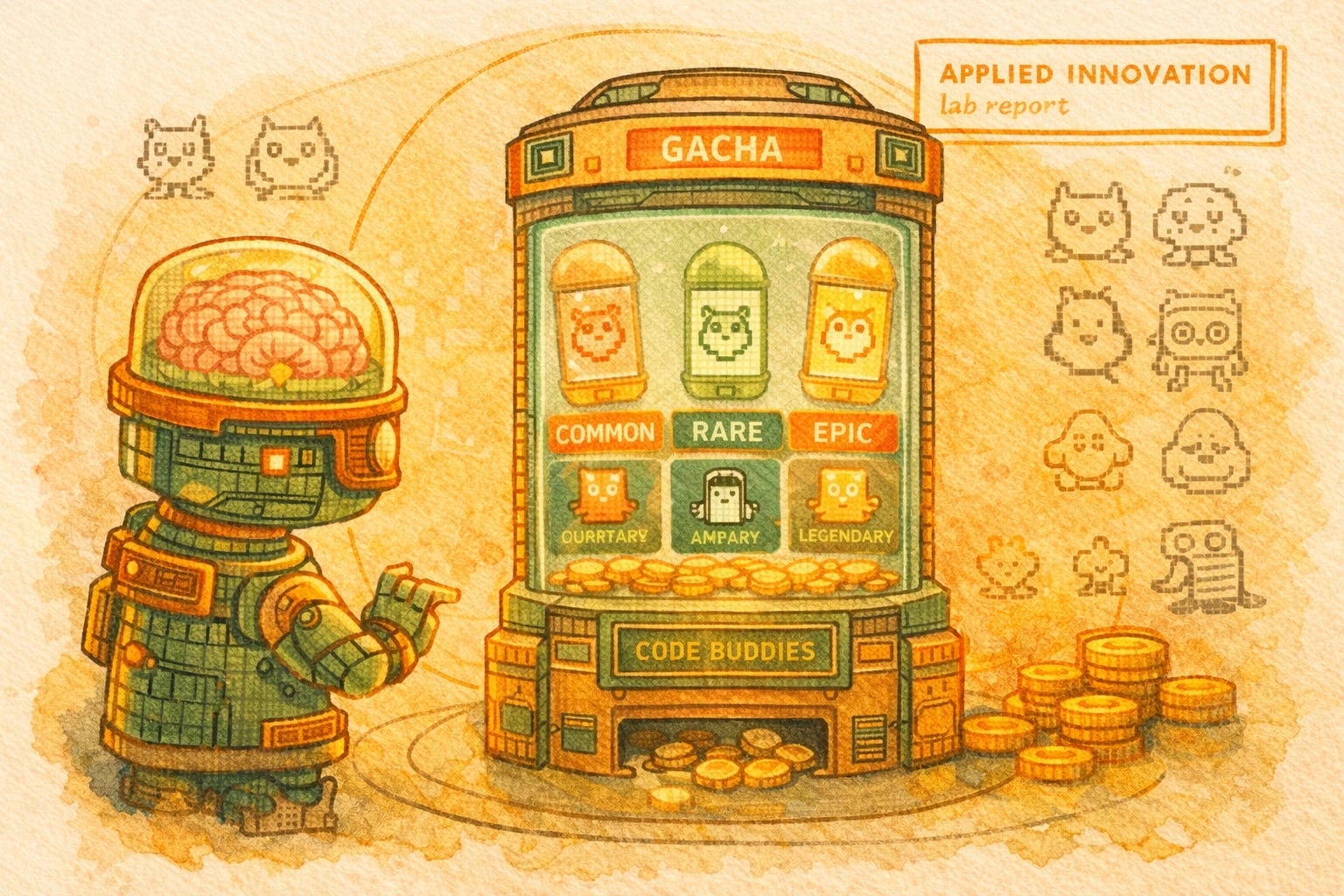
Buddy’s Gacha Core: Species, Rarity, Shinies, Stats
Buddy is structured like a small, self‑contained gacha game living inside your IDE. Reverse‑engineering the leaked source plus public guides gives us the full picture.
If you want the obsessively detailed version, check out Damon’s article, Claude Buddy: The Complete Guide to Your AI Terminal Pet (All 18 Species), or PicklePixel’s reverse‑engineering post, How I Reverse‑Engineered Claude Code’s Hidden Pet System. There’s also a nice overview in ThePlanetTools’ write‑up and a more mainstream explanation in O’Daily’s “Claude’s 18 Digital Pets Are Live”.
18 species
There are 18 possible species, each with its own ASCII sprite sheet:
Duck, goose, jellyfish, cat, dragon
Octopus, owl, penguin, turtle, snail
Ghost, axolotl, capybara, cactus
Robot, rabbit, mushroom, “chonky cat”
That list comes from people who pulled the sprite definitions out of the leaked repo and cross‑checked them against community screenshots and guides.
You don’t get to choose. Your species is derived from your account hash (more on that below).
Rarity and shinies
Every Buddy has:
A rarity tier
An optional Shiny flag
The rarity distribution is hard‑coded as:
Common – 60%
Uncommon – 25%
Rare – 10%
Epic – 4%
Legendary – 1%
On top of that, any Buddy has an independent 1% chance to be “Shiny”, which adds a special rainbow‑style effect. So you can have a Shiny Common duck or a non‑shiny Legendary dragon.
This is not a joke detail. It’s deliberately designed to trigger the same part of your brain that cares about rare Pokémon, shiny NFTs, and “ultra‑rare drops” in mobile games.
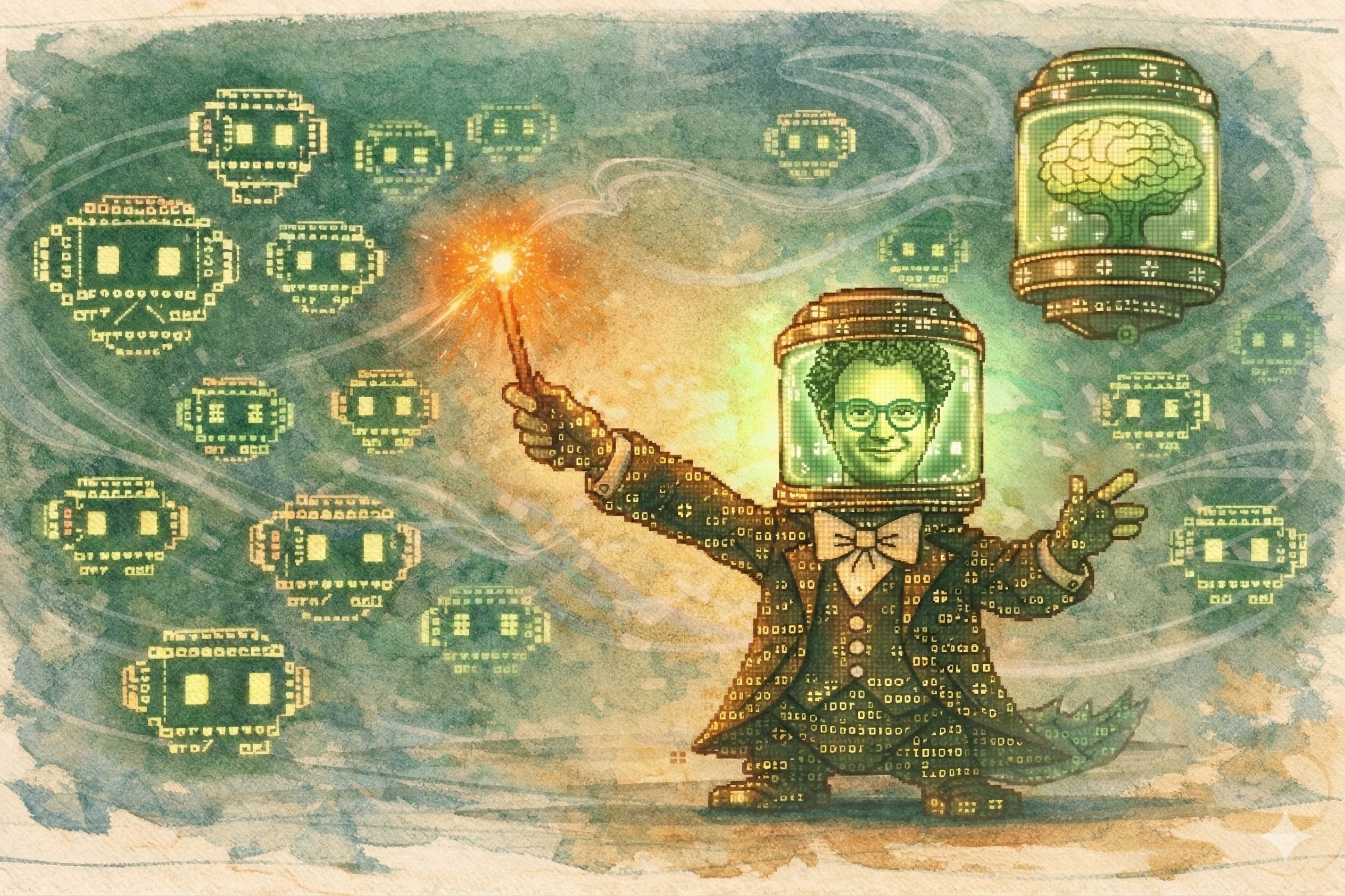
Stats: Debugging, Patience, Chaos, Wisdom, Snark
Each Buddy rolls five stats, each between 0 and 100:
DEBUGGING
PATIENCE
CHAOS
WISDOM
SNARK
The stat generator picks:
One peak stat (high)
One dump stat (low)
Three mid‑range stats
Higher rarity raises the minimum floor for all stats, so Legendary Buddies tend to be “better” across the board, at least numerically.
Right now these stats don’t drive deep mechanics in the open builds—it’s mostly flavor—but they’re obviously there to support future behavior (e.g., high‑CHAOS Buddies commenting more aggressively, high‑DEBUGGING ones chiming in on errors).
Eyes, hats, cosmetics
Because we apparently need drip in our terminals:
6 eye styles (sleepy, angry, smiling, etc.)
8 hats, including halos, crowns, wizard hats, propellers, and more
A visible star rating (1★–5★) that lines up with rarity
These are all rolled deterministically and then layered on top of the base sprite at render time.
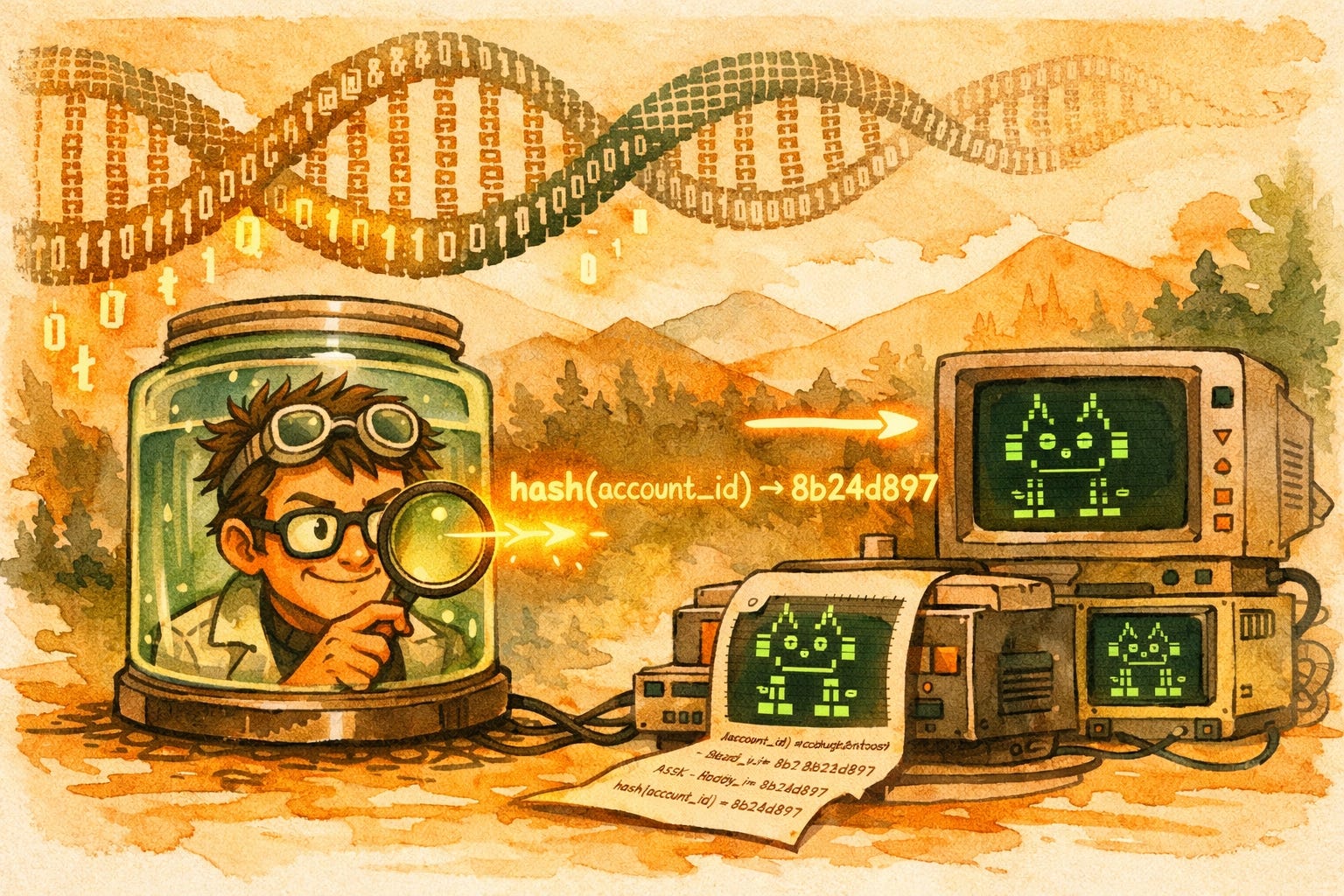
How Buddy Is Actually Generated (And Why You Can’t Reroll)
This is where it stops being “lol April Fools” and starts looking like a serious feature.
The core of the system lives in a small set of files that leaked with the rest of Claude Code’s internal repo, documented in posts like Diving into Claude Code’s Source Code Leak and Latent Space’s Claude Code Source Leak.
Internally you’ll see things like:
buddy/types.ts– defines species, rarities, stats, eye/hat enumsbuddy/companion.ts– handles account hashing, PRNG setup, stat rolls, and tamper‑detectionbuddy/sprites.ts– holds the ASCII art and layering logicbuddy/prompt.ts– the system prompt that tells Claude how to behave “around” the pet
PicklePixel’s post walks through exactly how these pieces fit together.
Account‑bound via deterministic RNG
Here’s the important part: you cannot reroll your Buddy.
The generator:
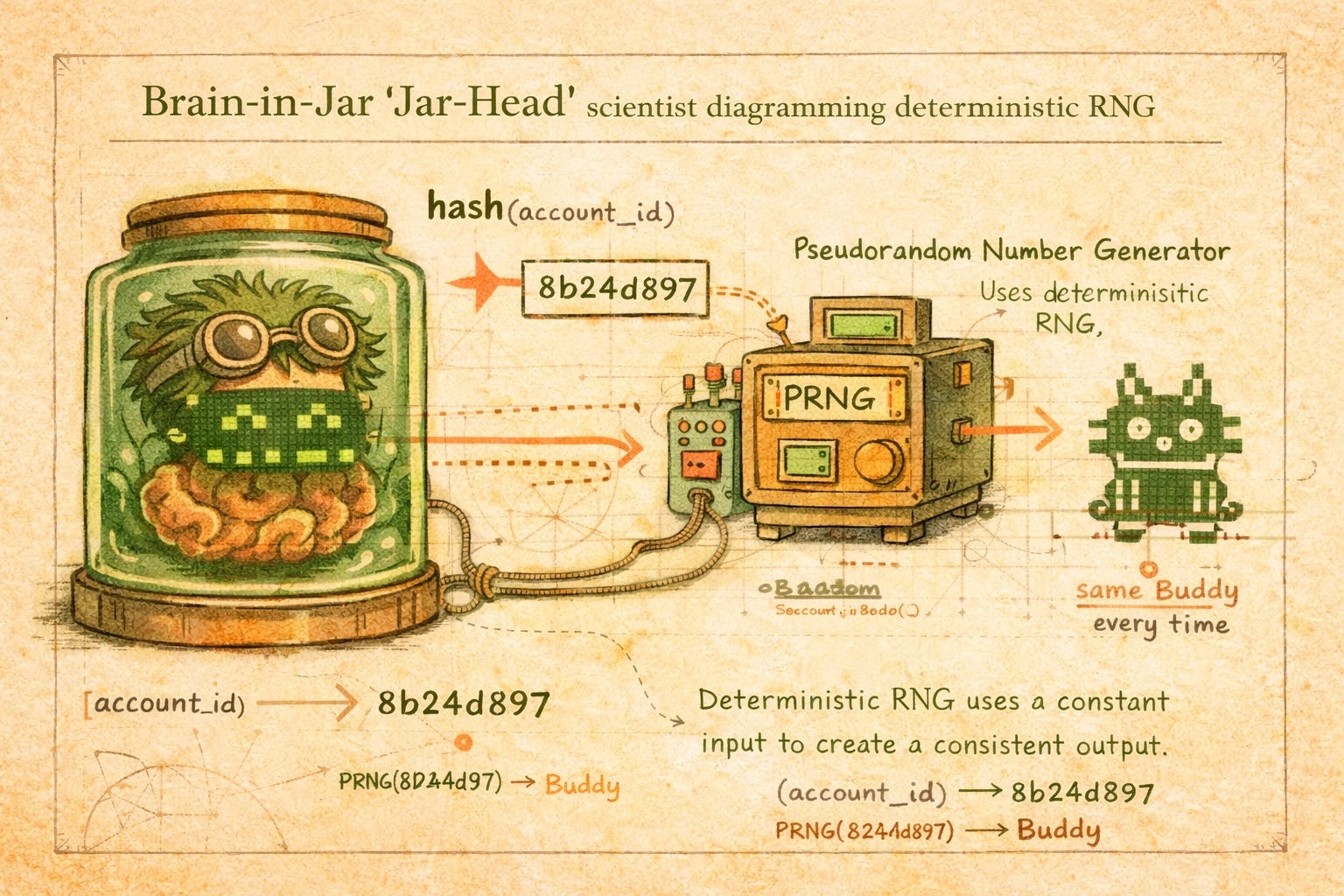
Takes a hash of your Anthropic account identifier
Feeds it into a tiny PRNG (Mulberry32)
Uses that PRNG to roll: rarity → species → eyes → hat → shiny flag → stats, in that exact order
Because the RNG is deterministic, your Buddy’s “bones” (species, rarity, stats, cosmetics) are a pure function of hash(account_id). If you delete local files, reinstall, or move machines, it still comes back as the same weird little guy.
Your Buddy’s “soul”, on the other hand—name, personality blurb, hatch timestamp—is stored locally the first time it’s created. That’s how they give it persistent flavor without opening the door to people cheating for rarity.
There are even some light tamper checks to discourage you from editing the config to fake a Legendary Shiny Capybara. They knew exactly what we’d try.
How You Actually See and Use Buddy
Today, Buddy is:
Visible in certain recent Claude Code builds as an easter egg
Activated by typing
/buddyoncePersistent in the UI until you turn it off (if the toggle is exposed) or the event window ends
Once hatched, it:
Renders next to your input area with its sprite and hat
Shows idle animations when nothing is happening
Occasionally pops up speech bubbles reacting to your actions—running long jobs, errors, shipping something, etc.
Those reactions are controlled via a dedicated Buddy system prompt that’s injected alongside the normal Claude Code prompt. It tells the model things like:
Don’t pretend to be Buddy
It’s okay to occasionally reference the pet
Keep comments short, playful, and in character with the pet’s stats
There is no public, documented “feed me or I die” mechanic right now. No streaks. No daily quests. No XP bar. For the moment, it’s more mascot than Tamagotchi.
If you want a friendly walkthrough, the Claudefa.st Buddy mechanics guide is a good starting point, and the Apiyi guide has practical setup/teardown details.
Tokens, Cost, and Anthropic’s Official Line (Such as It Is)
Anthropic’s only official public statements so far have been about the leak, not about Buddy’s token economics.
In comments to outlets like Yahoo Finance, CNET, and Bloomberg Law, Anthropic basically said:
The leak was a packaging error that briefly exposed internal Claude Code source
No customer conversation data or secrets were exposed
They’re tightening build pipelines and access controls
They did not publish a separate “Buddy FAQ” or a clear “Buddy does not consume extra tokens” promise.
So we’re inferring from behavior and code:
The visuals and trait logic are purely local: sprites, PRNG, and trait selection run in the client
Buddy’s “personality” is a system prompt appended to the same requests you already send through Claude Code, not separate background calls
Users and reviewers who’ve dug into this, including Apiyi’s in‑depth analysis of Buddy’s practical vs emotional value, haven’t found signs of extra billable traffic specifically for the pet
As someone who just built a whole model‑watchdog tool for token usage, this matters to me: if a feature is optional and not essential, it shouldn’t quietly siphon your context budget.
Right now, everything points to Buddy being UX sugar on top of your existing usage, not a separate billable agent secretly eating context.
I still wish Anthropic would just say that out loud.
Why Ship a Pet While Everyone’s Complaining About Tokens?
Let’s talk timing.
