

![[HERO] Your Favorite AI Vendor Is Worth $380 Billion. The Canary Is Already Singing.](https://substackcdn.com/image/fetch/$s_!2w-c!,f_auto,q_auto:good,fl_progressive:steep/https%3A%2F%2Fsubstack-post-media.s3.amazonaws.com%2Fpublic%2Fimages%2F84264437-621b-4590-a42d-c39e4e464f88_1536x1024.webp "[HERO] Your Favorite AI Vendor Is Worth $380 Billion. The Canary Is Already Singing.")
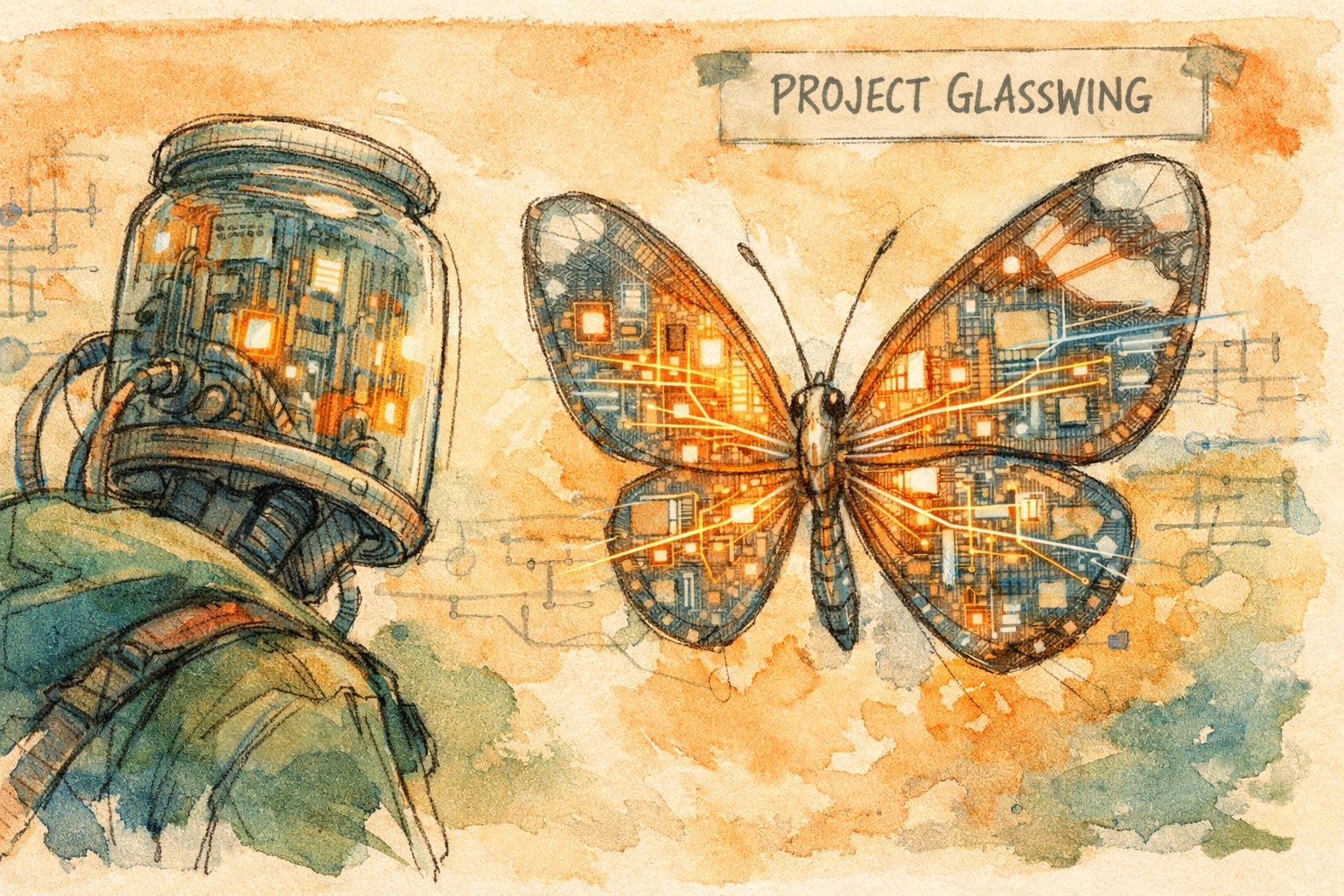
On April 7, 2026, Anthropic quietly dropped something called Project Glasswing.
It’s a cybersecurity initiative built around Claude Mythos Preview — the frontier model everyone’s been waiting for. Here’s what Mythos can do: it can “surpass all but the most skilled humans at finding and exploiting software vulnerabilities.” It isn’t just a chatbot — it’s an autonomous vulnerability hunter. It’s already discovered thousands of zero-day vulnerabilities in major operating systems and browsers before the developers even knew they existed. Partners include AWS, Apple, Google, Microsoft, Cisco, and CrowdStrike.
But look at the pricing. This is where the canary starts to sing.
$25 per million input tokens. $125 per million output tokens.
Let that last number sit.
Now add three other things that broke the same week:
Anthropic’s annualized revenue crossed $30 billion, officially passing OpenAI’s $25 billion. They now hold 40% of enterprise LLM API spend. Two years ago they were the underdog. Now they’re first.
The Trump administration formally blacklisted Anthropic as a “supply chain risk.” Anthropic filed suit in response. The AI internet cheered. Free press. Principled stand. David vs. Goliath.
And Anthropic is now evaluating an IPO at a $380 billion valuation, potentially by this October.
Most people reading those headlines are celebrating. I think they’re missing the point.
Let’s start with Glasswing, because it’s the one that actually tells you something.
Anthropic has spent three years building the “responsible AI” brand. Their founding documents literally say they might be building one of the most dangerous technologies in human history. Dario Amodei has given more speeches about existential risk than any other active tech CEO. They built Constitutional AI. They published safety research. They were the ones you trusted to be thoughtful about this.
And then they shipped a model that can autonomously discover and exploit zero-day vulnerabilities in your operating system.
Defensively. For security research. Sure. I believe that’s the intent.
But here’s the honest thing I keep coming back to: where does the good guy end and the bad guy start? It’s genuinely hard to tell. Anthropic standing up to the government publicly looks principled — and it probably is. It also generated more free advertising than a 10 Super Bowl spots. The safety brand is real. It’s also commercially brilliant. It’s likely why AWS, Google, and Microsoft chose to partner with them instead of building it themselves.
I’m not calling them evil. I think they’re complicated in a way most companies aren’t honest about. And Dario, to his credit, has put his money where his mouth is more than any other AI CEO I’ve watched in recent times. That still counts for something.
But “complicated” is different from “safe to assume everything stays the same.”
Here’s the thing nobody’s saying out loud in the revenue celebration.
Right now, Anthropic needs solopreneurs and small businesses. Not because we’re their biggest customers — we’re not — but because we’re the word-of-mouth engine. We’re the characters in the story of “look what AI can do” while the major corporations are still trying to figure out how to get a Claude subscription approved by procurement & security teams. We’re why Claude feels human and nuanced compared to the competition. We’re why their brand means something to actual people instead of just procurement departments.

That calculus is about to change.
Public companies get measured on one thing: revenue growth. And when you’re at $30 billion, the fastest path forward isn’t winning more $20/month Pro subscribers. It’s closing more contracts like Glasswing — enterprise security firms, government agencies, the organizations that pay $125 per million output tokens without flinching.
Glasswing’s pricing isn’t just a product decision. It’s a signal. It tells you exactly what Anthropic believes an enterprise customer will pay for frontier performance. And when the enterprise floor goes up, the prosumer ceiling doesn’t stay still forever.
The IPO accelerates this. Every public company that’s had both a consumer and enterprise product line has eventually made the same call: enterprise clients spend more, complain less, and renew more predictably. The consumer product gets maintained. It doesn’t get prioritized.
If you’re heavily reliant on Claude for your daily operations, you need to realize you’re currently getting a massive discount on frontier intelligence. That discount may not last.
Claude isn’t going dark. The tool you use today will still work tomorrow. But the incentive structure is changing — and you should know your exposure before it does.
This is where most posts would tell you not to worry. I’m going to tell you something more useful.
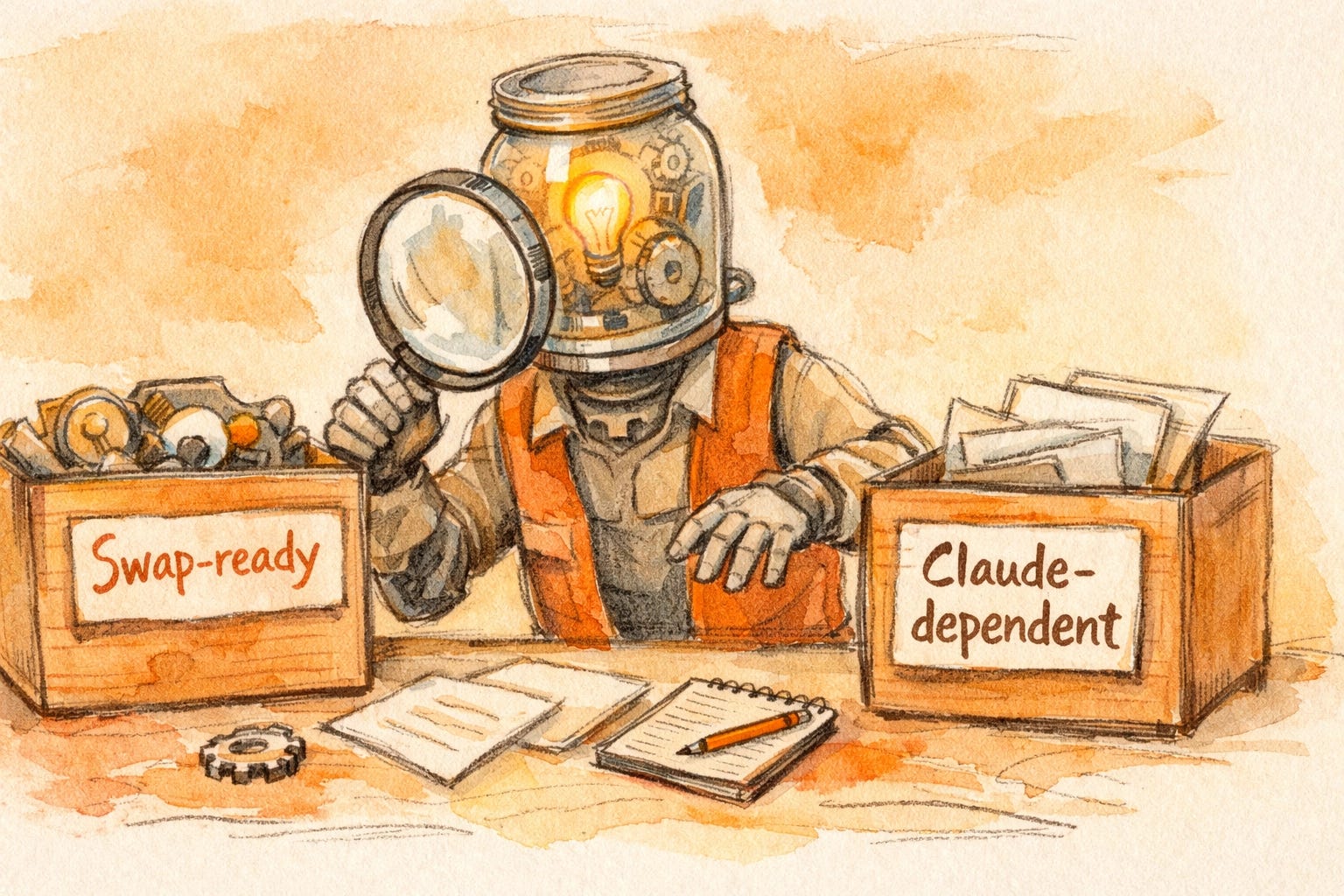
The Claude Dependency Audit
Most people who read this will nod, feel vaguely unsettled, and then open a new Claude tab and continue exactly as before.
Don’t be most people.
Here’s the 30-minute exercise worth doing this week. I’m running it on my own businesses right now — OutSnapped, Pictor, Mirror Memory, and even this newsletter. Here’s how to do it.
