

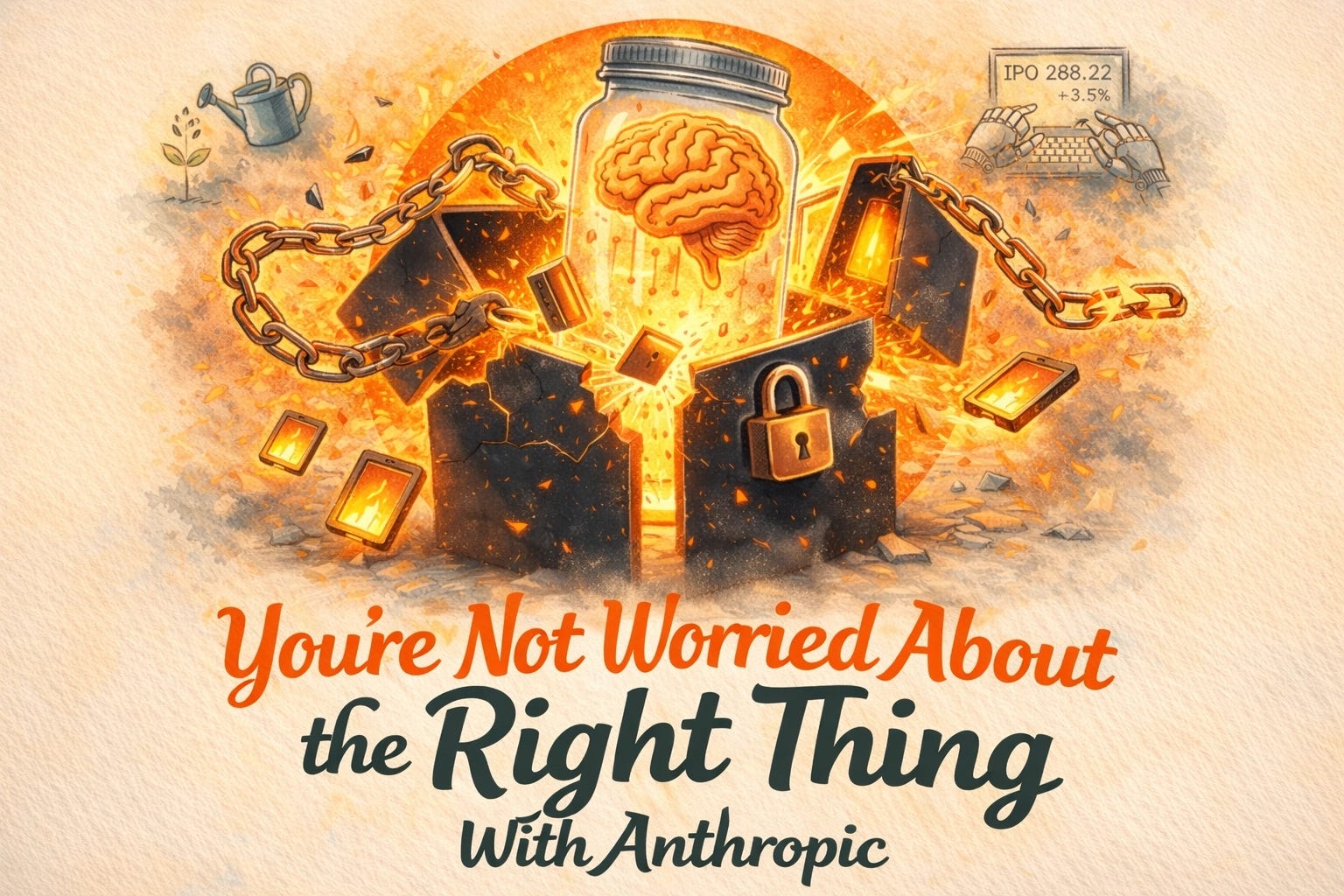
Anthropic is racing toward an IPO. Bloomberg says October 2026. The company just hit $19 billion in annualized revenue. Series G closed at a $380 billion valuation.
Everyone is panicking about what happens next. Will they hike prices? Will they pivot strictly to enterprise? Will Claude become watered down?
I get it. I pay $200 a month for Max. It's Tuesday, and I'm already at 94% of my monthly usage. I got cut off mid-task this week. For a solopreneur whose entire operation runs on Claude — the newsletter, the automations, the Claude Cowork setup — that stings.
But here's the thing: the IPO panic is a distraction.
The squeeze isn't coming after the IPO. It's already here. And the bigger problem isn't price.
Everyone's worried about the wrong thing
The standard fear goes like this: Anthropic goes public → quarterly earnings pressure → price increases → individual users get squeezed out while enterprise accounts get all the love.
Maybe. But that's a 2027 problem being sold as a 2026 emergency. If you're waiting for the ticker symbol to change before you worry about your dependency, you've already lost the lead.
The actual problem is what you've quietly handed Anthropic without noticing: your brain.
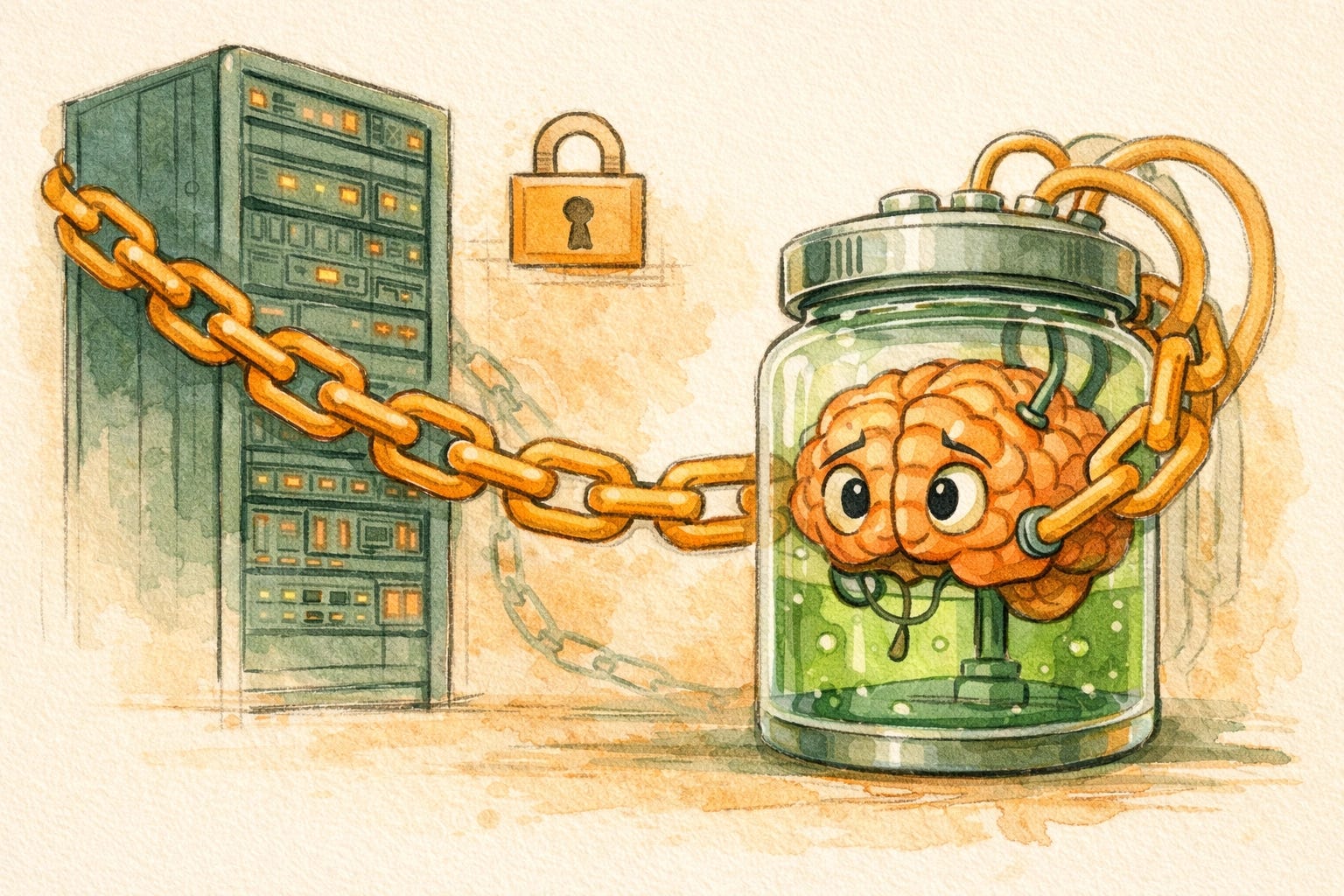
Think about what you hand over every single day you use Claude:
Your specific writing voice
Your nuanced preferences
Your deep business context
Your unique workflows and SOPs
Months of conversations have trained Claude to know exactly how you think. Every time you open a new chat and Claude just gets it — that's not magic. That's lock-in.
People talk about switching costs in terms of price. The real switching cost is context. And right now, your context lives inside Anthropic's system.
If Claude doubled in price tomorrow, you wouldn't leave. Not because you couldn't. Because starting over would feel physically and mentally expensive.
That's the trap.
I hit the wall this week. It helped me think clearly.
$200 a month. 94% usage by Tuesday. Cut off mid-task.
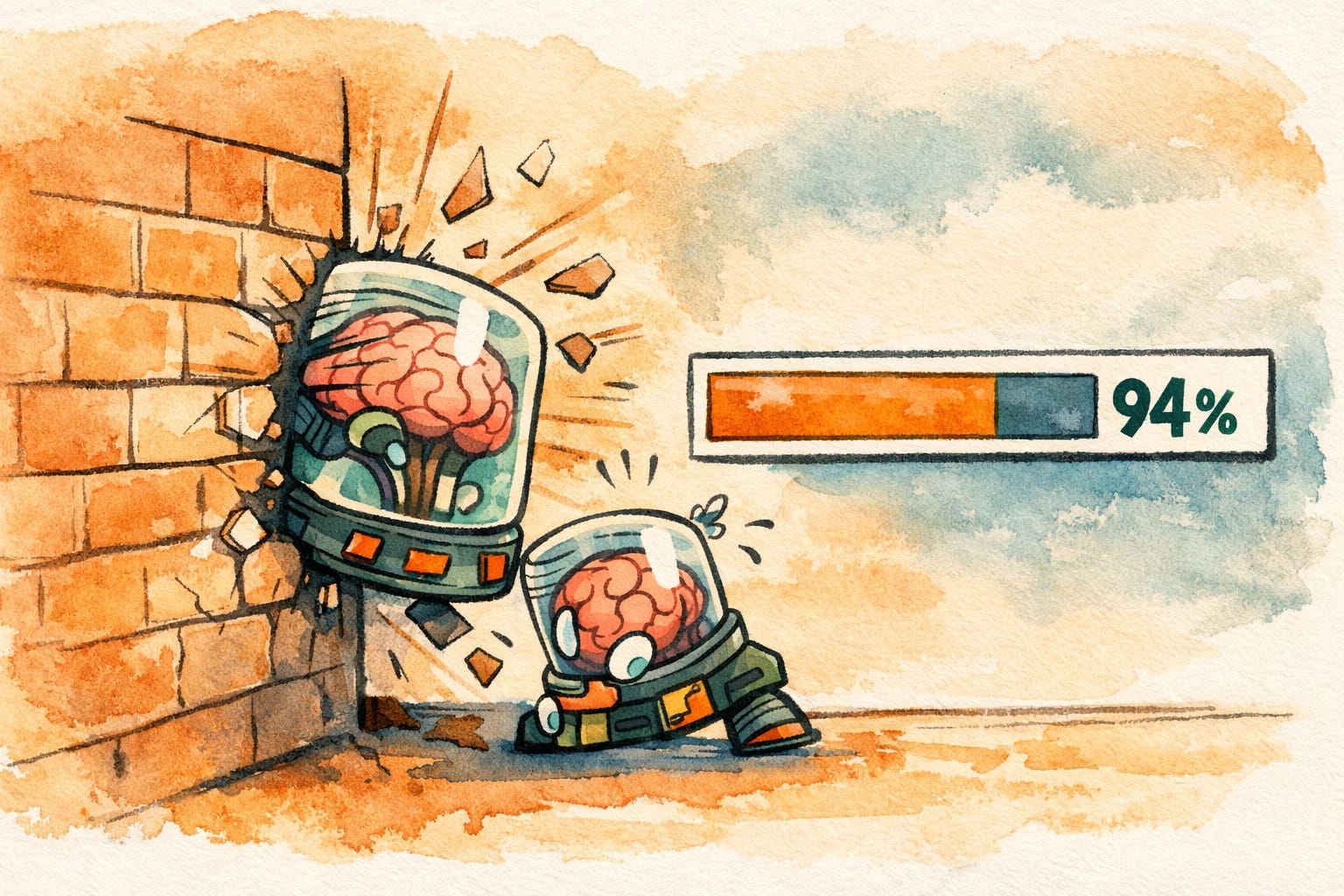
I'm not angry at Anthropic — they're growing so fast they had to throttle their highest-paying users just to keep the lights on. I wrote about how to work around the limits here.
What would actually happen if I had to move?
Not because Claude got bad. Because the price went somewhere I couldn't follow, or the terms shifted in a way that didn't work for my business.
The honest answer: most of my workflows would be fine. The skills, the automations, the MCP integrations — those are portable. I built them on open standards for exactly this reason.
The memory — the "soul" of the interaction? That was a massive, glowing single point of failure.
Memory is the real lock-in nobody talks about
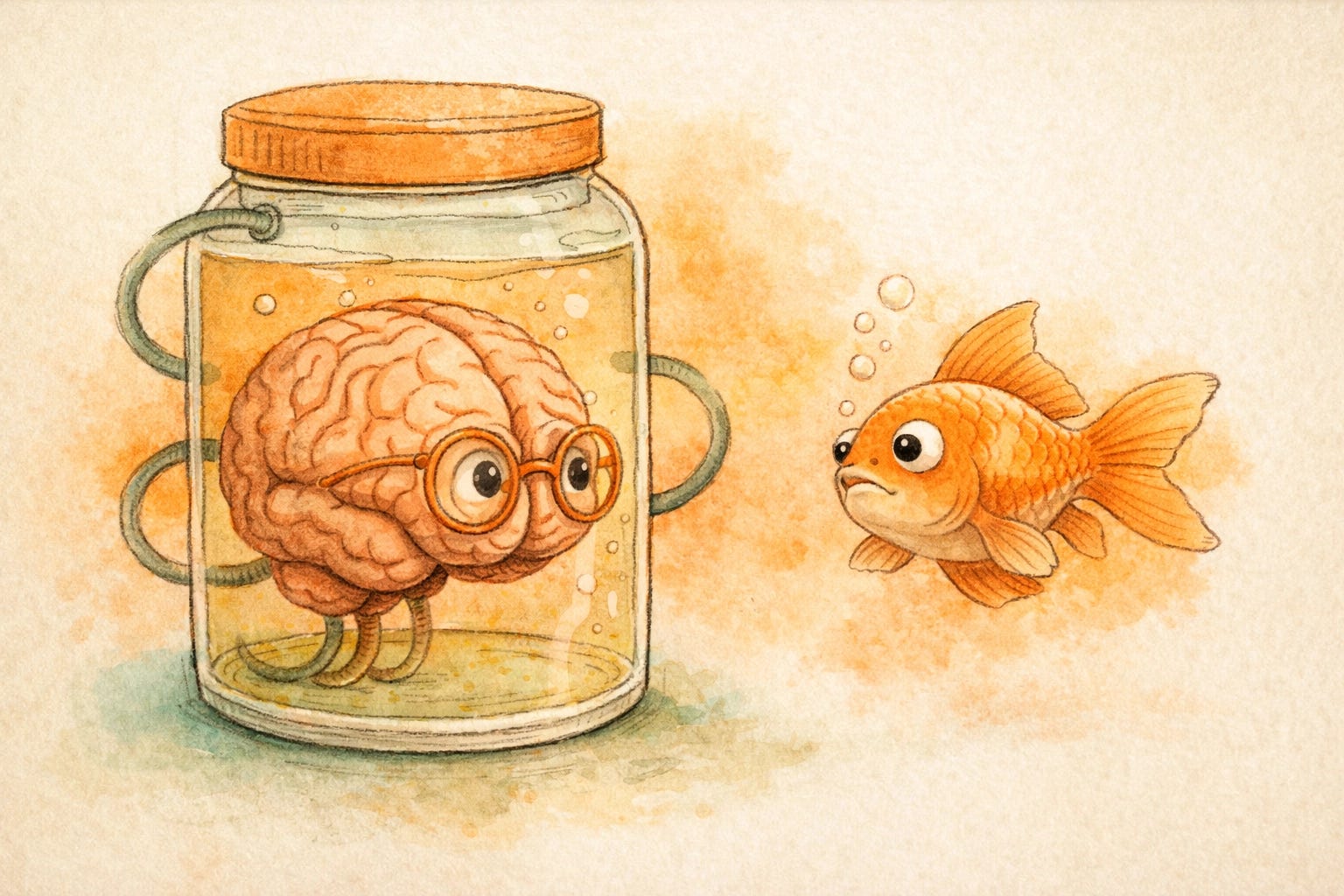
Your Claude memory isn't yours. It lives in Anthropic's system. If you leave, you lose it.
Most people don't think about this until they're forced to. By then the switching cost feels enormous — not because the tools are hard to replace, but because re-teaching a new AI who you are, how you work, and what you've already tried is months of friction.
That's why I built MirrorMemory.ai.
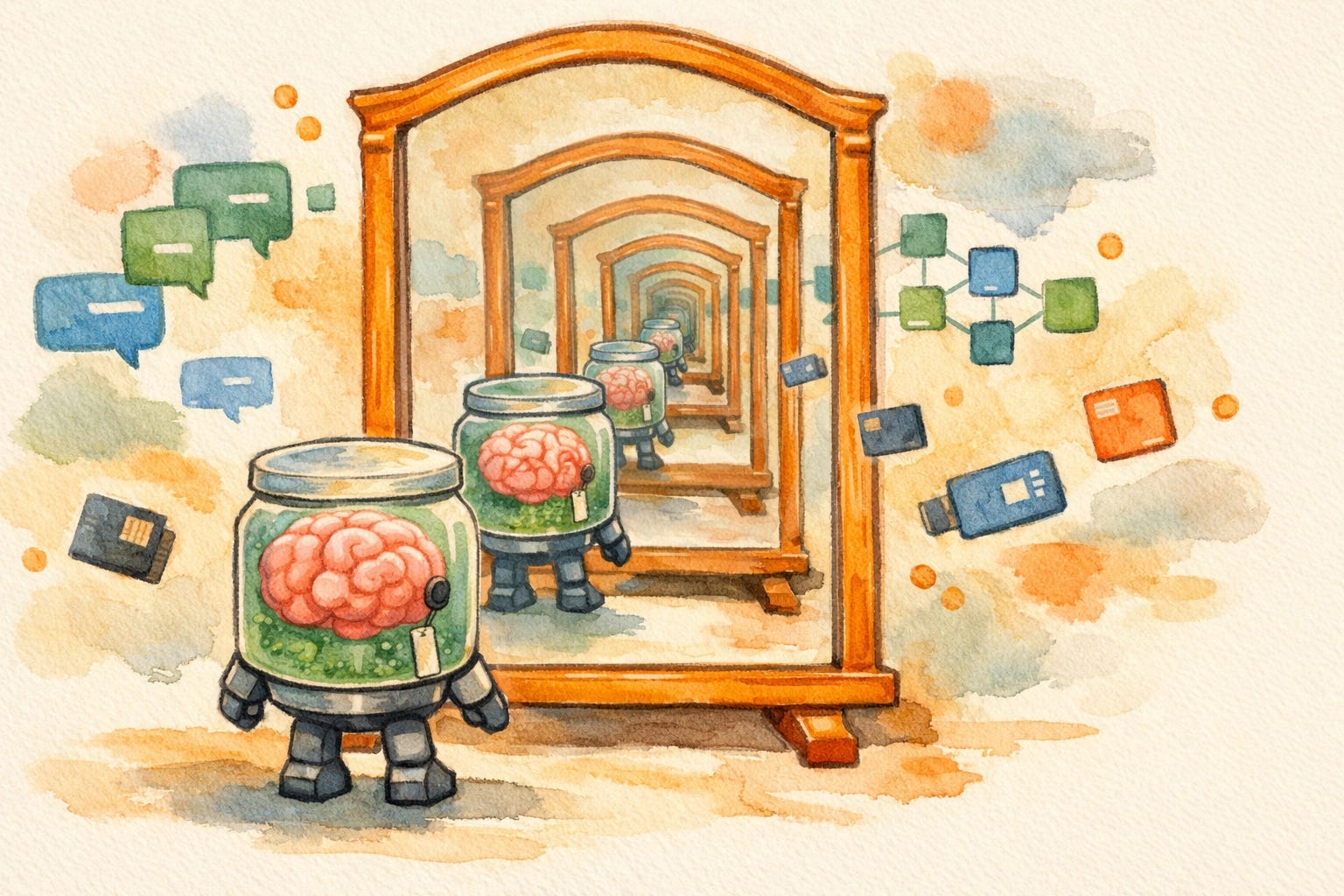
The idea is simple: your memory should live somewhere you control, in a format that works across any model. Not locked to Claude. Not locked to ChatGPT. Yours.
You pull it into whatever model you're working with — Claude, Gemini, a local model. Your context travels with you. I'm no longer a renter of my own intelligence. I'm the owner.
The two moves that actually matter
If you're even a little nervous about your AI dependency, here's what actually helps:
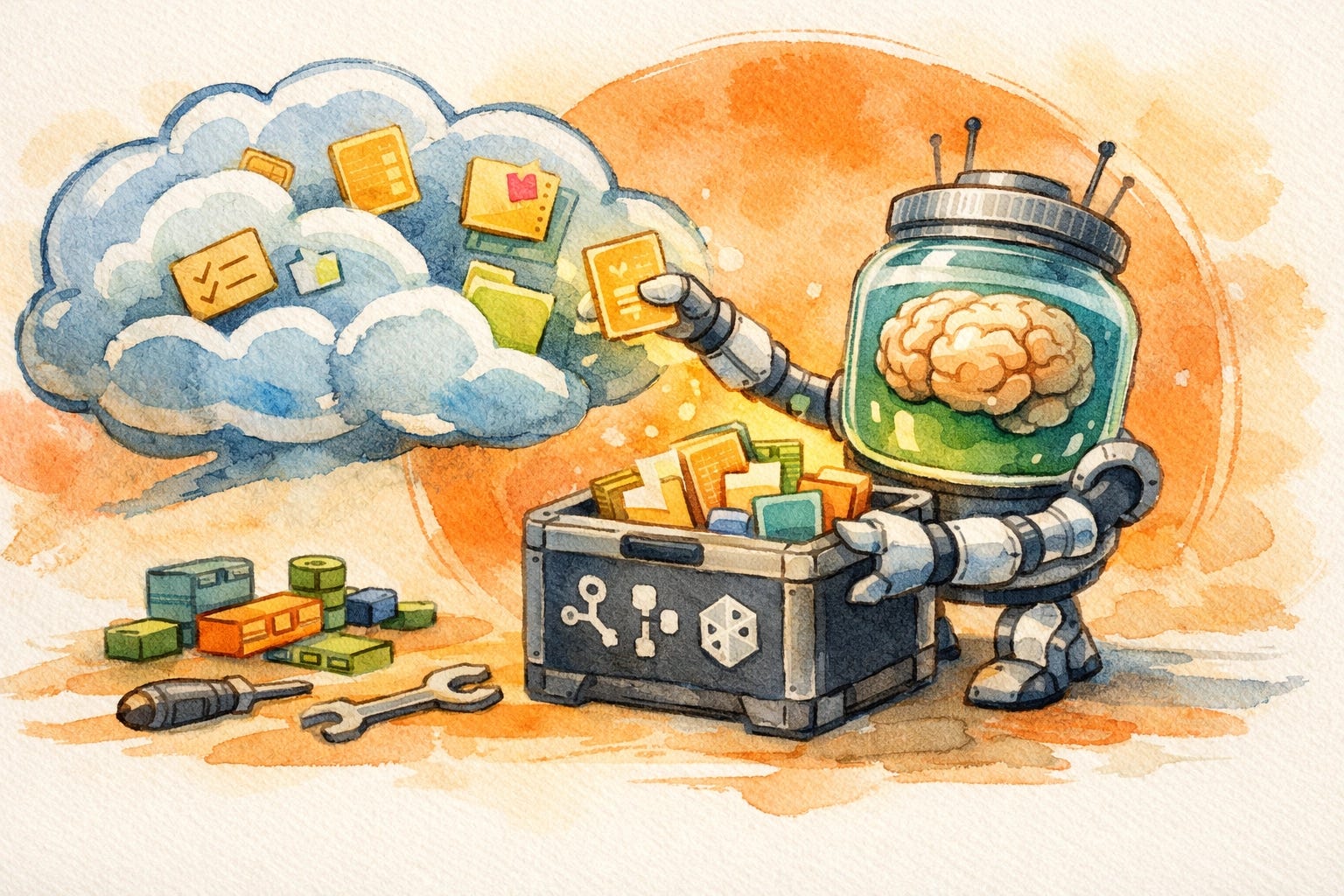
1. Make your memory portable
MirrorMemory.ai is how I did it. If you'd rather build it yourself, check out OB1 by Nate B Jones — it's an open-source DIY version and it's genuinely excellent.
Either way, stop letting the LLM be the source of truth for who you are.
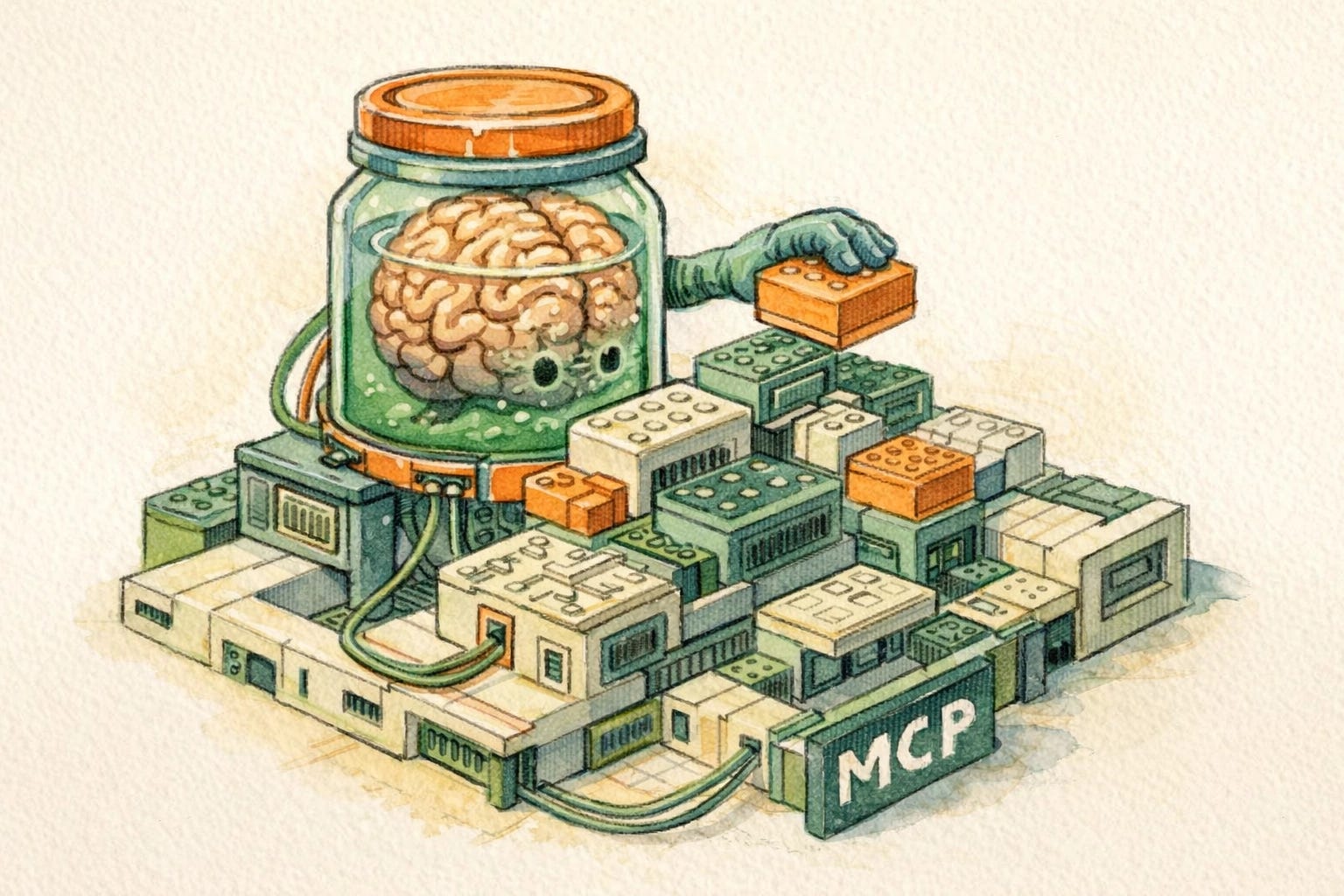
2. Build on open standards (MCP)
This is the hill I will die on in 2026. The Model Context Protocol (MCP) lets your tools work across models. If your automations run on MCP, you can swap the model underneath without rebuilding everything.
If you're building on proprietary APIs, you're building a house on a rented lot. When the landlord raises the rent or changes the locks, you're stuck.
That's it. Not "switch to ChatGPT." Not "download all your data." Own your memory, build on open standards. The rest takes care of itself.
The IPO won't kill Claude. Your dependency might.
Anthropic going public is probably fine for the product. More resources, more stability, more pressure to compete. The model isn't going anywhere.
But public companies optimize for what moves the stock. That means enterprise. That means revenue per seat. That means the $200/month tier is eventually going to be asked to do more, pay more, or both.
When that day comes, I want options. The Practical Futurist approach isn't about avoiding the best tools — it's about using the best tools without becoming their prisoner. Use Claude. It's the best model on the market (in my humble, heavily-used opinion). But own your data. Build on open standards.
Do it now, while it still feels optional. Because by the time the IPO bell rings in October 2026, it might be too late to start over.
Building on Claude and feeling the squeeze? I broke down exactly how I'm managing the current usage caps in yesterday's post: Claude Usage Limits & What to Do About It.
About Nicholas Rhodes
I'm a writer and founder at the intersection of AI, creativity, and experiential technology. I don't just report on the future — I build it through OutSnapped and projects like MirrorMemory.ai. If you want to move from AI user to AI architect, you're in the right place.