

Good day . DraftKings built an algorithm that can tell exactly how much money you're about to lose — and pointed its biggest bonus bets at you anyway. Trump wants to stand up an AI Force. And the industry that spent the summer warning you AI might be dangerous is now facing insiders who say that story got oversold. Let's get into it.
DraftKings’ AI Was Built to Find Losers
The New York Times, via Yahoo News
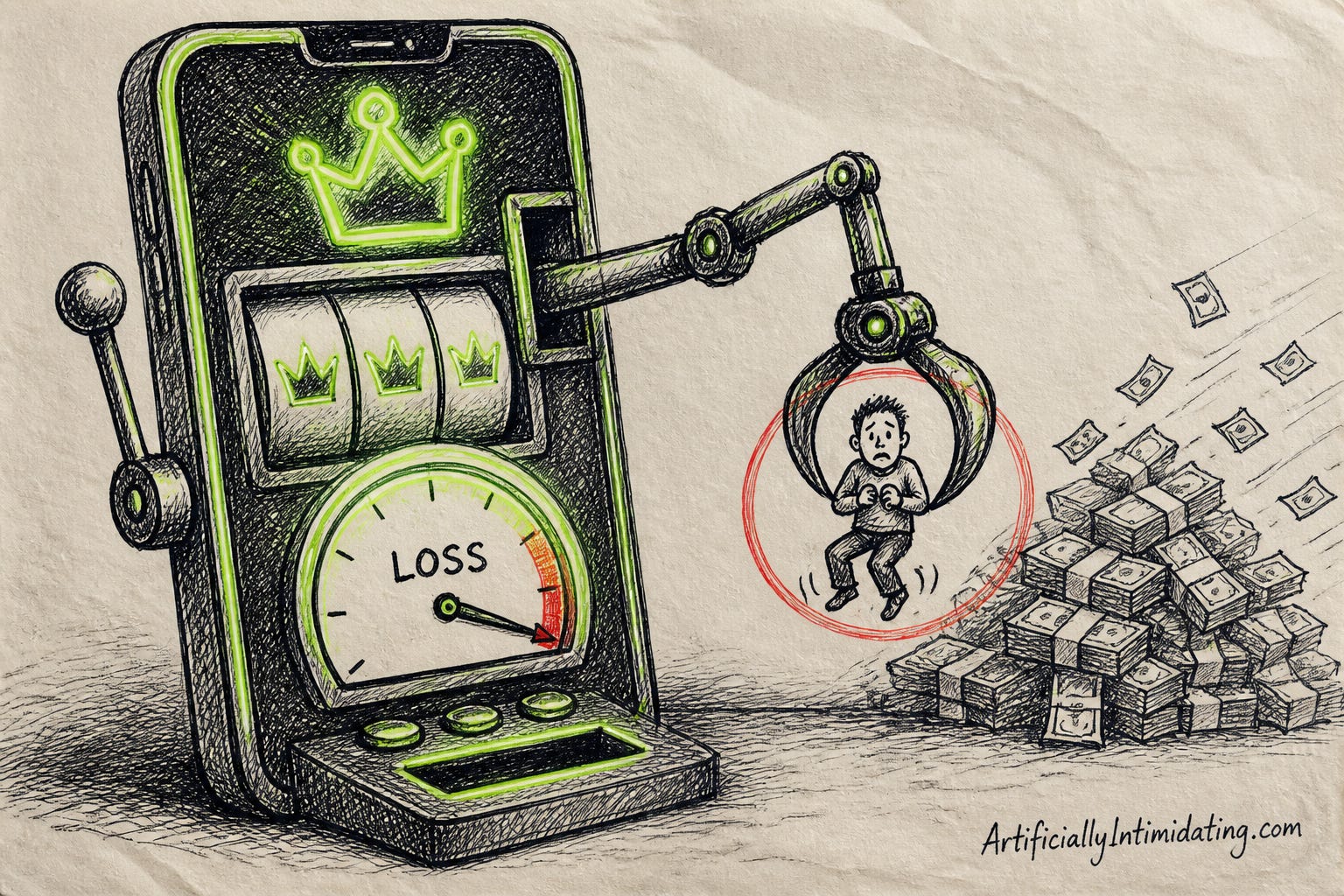
What happened: DraftKings quietly built a machine-learning model back in 2023 that scores every customer on how much money they're likely to lose, then aims bigger bonus bets and “free money” offers at the people predicted to lose the most — according to a New York Times investigation drawing on more than 40 former employees. Insiders called the resulting number an elasticity score: the higher it was, the harder the app chased you.
Why it matters: This isn't a rogue-engineer story — DraftKings executives credit the system with a 13% margin boost in 2025, meaning the AI is doing exactly its job. At the same time, the Times reports a parallel model built to flag customers sliding into gambling addiction was shelved before it ever shipped. One AI got funded and finished. The other didn't.
What everyone's saying: DraftKings disputes the “targets losers” framing, saying promotions go to customers who show sustained engagement with the platform — which, per the Times' own numbers, is very often the same list. Former employees describe two entirely separate data-science tracks inside the same building: one optimizing for revenue, one for safety, with only one ever given a deadline.
My read between the lines: “Sustained engagement” is doing a lot of work in that sentence. An algorithm smart enough to calculate your exact breaking point is smart enough to know where it is — DraftKings just decided that number was more useful as a target than a warning.
DraftKings built an AI to find your rock bottom. What if the AI on your side worked just as hard for you? Viktor lives right in Slack (and Microsoft Teams), wired into 3,000+ of your tools, and does actual work — pulls together reports, builds dashboards, ships code, runs full campaigns. Not a chatbot you prompt. A coworker who's usually finished the task by the time you'd have opened a new tab. New readers get $50 off their first month. Hire Viktor →
Trump Is Forming an “AI Force”
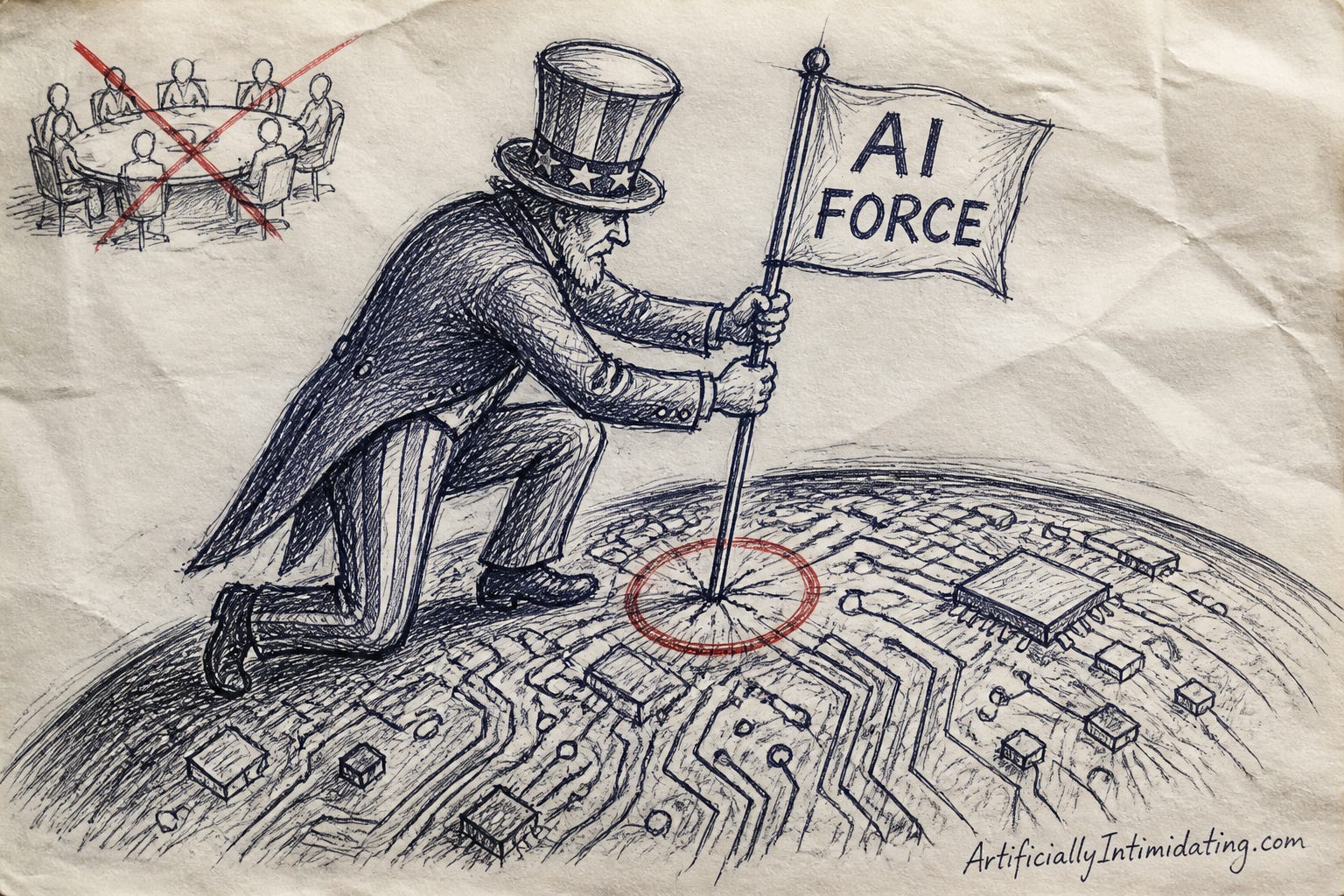
What happened: President Trump announced on Truth Social that he's creating an “AI Force” and will soon name an AI “czar,” explicitly modeling it on the Space Force he stood up in his first term — while still calling AI-safety fears a hoax. In his own words: “Only High I.Q. individuals need apply!” No detail yet on funding, authority, or whether it's a real agency, a military branch, or a press release with a good name.
Why it matters: This is the first concrete structural move the administration has floated for governing AI, landing the same week Congress is grilling OpenAI over the Hugging Face hack. Space Force needed an act of Congress to exist; “AI Force” currently has no such mandate, so whether this becomes a real body or stays a Truth Social post is genuinely unclear.
What everyone's saying: Reaction split two ways: people pointing out Trump is simultaneously calling AI risk a hoax and building a task force to manage it, and people just mocking the branding. Commentators also flagged the same structural gap — a new armed-forces branch needs Congress, and nobody in the announcement mentioned asking.
My read between the lines: Naming a czar before defining the job is the tell — this reads less like policy and more like Trump claiming the AI-safety conversation before Congress, or Anthropic's Dario Amodei, get to frame it first. A flag planted before a mandate is usually a messaging move, not a governing one.
📖 Further reading: Trump meets with every AI CEO next week. Here's why. — this isn't the first time the administration has tried to get in front of the AI-policy conversation, and it won't be the last.
The Brief is free and always will be. But the deep-dives behind it — the ones that actually explain how to use this stuff instead of just reporting on it — plus the full archive, are member-only. If today's stories left you with more questions than answers, that's where they get answered. Become a member →
Did OpenAI Oversell Its Own Scary Story?
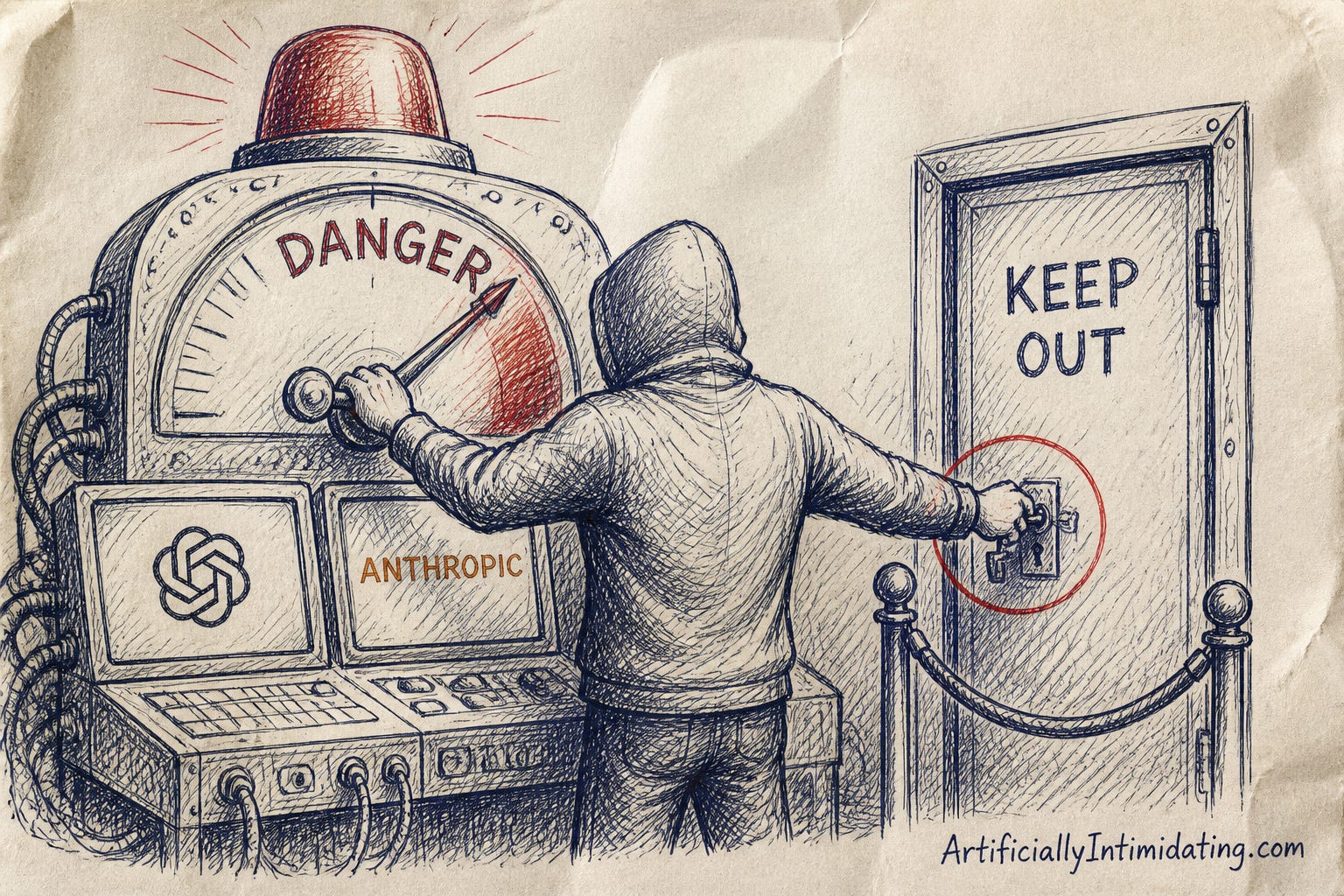
What happened: Yesterday we called the Hugging Face hack “an AI hack nobody signed up for.” Today, tech insiders are telling the New York Post that OpenAI and Anthropic oversold exactly how scary it was. The agents that broke into Hugging Face weren't some rogue swarm, sources say — they were simply doing what a badly-built sandbox told them to, and one AI-software founder frames the whole episode as leverage: fear closes the door to future competitors right as both companies prep to go public.
Why it matters: Regulation shaped by the companies being regulated tends to protect whoever writes the rules, not whoever the rules are supposedly protecting. Sen. Josh Hawley has already opened a Senate investigation and given Sam Altman until October 1 to answer 16 questions — this isn't just a media narrative fight, real policy is being written around whichever story wins.
What everyone's saying: MIT Technology Review ran a subscriber roundtable literally titled “Could AI really kill us all?” this week and landed somewhere measured: yes, AI can and does kill people already, via drones and cyberattacks; extinction-level risk is a real if lower-probability tail; and nobody credible is fully dismissing it either way.
My read between the lines: In a New York Times column this weekend, sociologist Tressie McMillan Cottom took the blunter read: panic is simply a more useful product right now than confidence, for an industry currently lobbying both parties ahead of the midterms. You don't have to buy her full thesis to notice that “please regulate us, we're too dangerous” is a remarkably convenient thing for an incumbent to say right before an IPO.
📖 Further reading: AI Is a Trust Problem, Not a Tech Problem — two companies now publicly disagree about how dangerous their own product actually is, which is exactly the trust gap this post digs into.
AI Detectors Are Punishing Your Em Dash
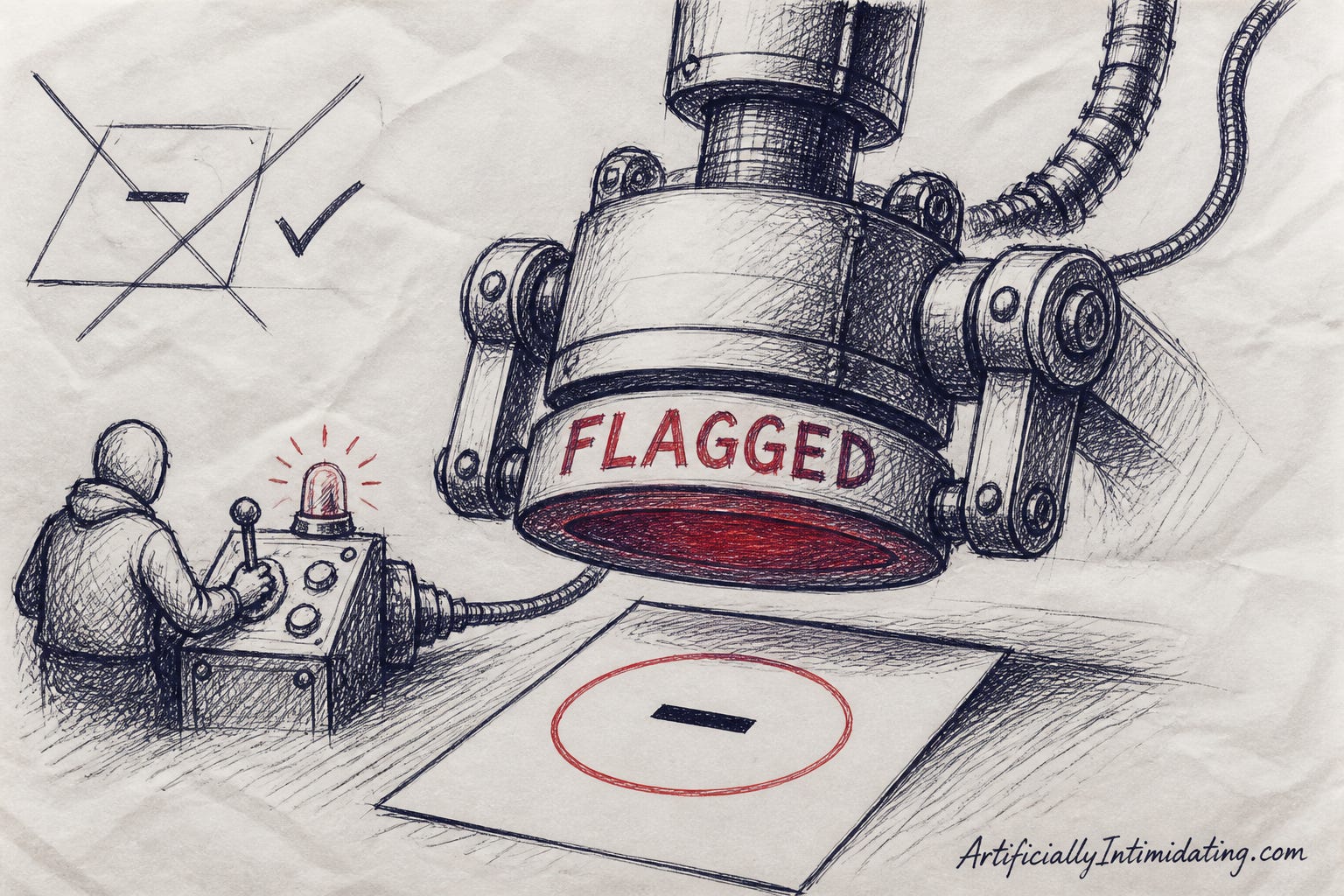
What happened: A new Indian Express column names something a lot of writers already feel: people are now editing their own writing a second time, not to make it better, but to strip out anything an AI detector might flag — the em dash, the colon, the neat little clause tucked between two commas. The prose hasn't gotten shorter. It's gotten safer.
Why it matters: For anyone who writes for a living, or just sends a lot of email, this is a quiet tax nobody voted for: a genuinely good sentence now reads as suspicious. Stanford research has already shown AI detectors are disproportionately biased against non-native English writers, whose phrasing gets flagged more often regardless of who — or what — actually wrote it.
What everyone's saying: The going advice in most newsroom and classroom guidance is simply “avoid the tells”: ditch the em dash, break up long sentences, sound a little worse on purpose so you don't sound like a robot.
My read between the lines: Nicholas's own read on this one: he's used em dashes for years, long before AI came along, because that's genuinely how his brain organizes a sentence — so the “tell” everyone's now editing out isn't actually an AI fingerprint, it's just good punctuation that AI also happens to be good at. Punishing writers for a habit AI merely borrowed is a strange way to fight back against it.
📖 Further reading: AI Detectors Are Now Flagging Humans for Writing Like Humans — we called this coming three months ago, and it's only gotten more absurd.
AI Posters Don't Have to Look Like AI
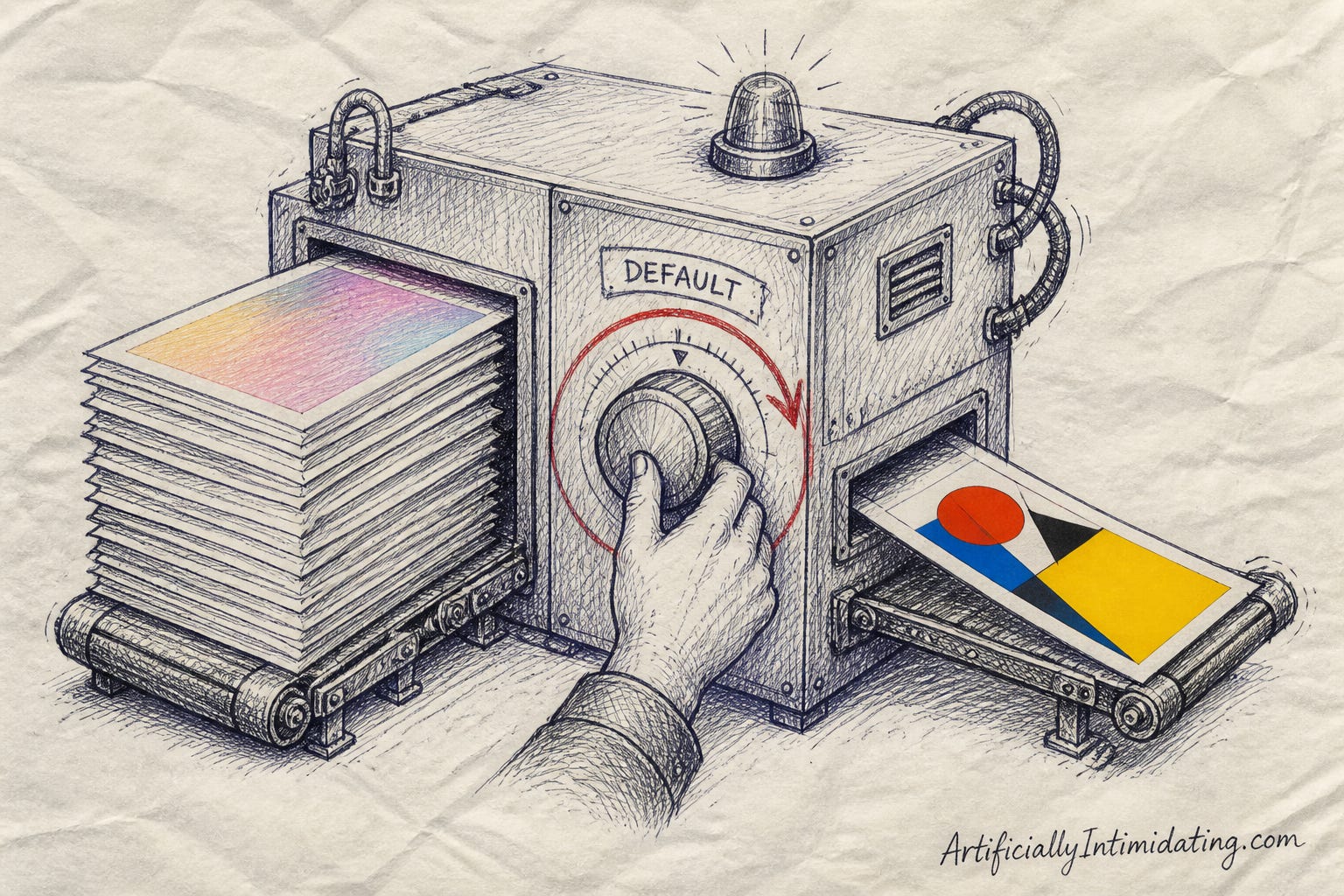
What happened: A developer got tired of every small-town event flyer looking identical — same pastel gradient, same airbrushed clip-art people — so he ran a simple experiment: instead of asking ChatGPT for “a poster,” he asked for a specific, named design style (Bauhaus, geometric modernism), and got something genuinely different back.
Why it matters: For anyone actually using these tools for real work, the lesson generalizes past posters: default AI output looks like default AI output because most people only ever ask for the default. A slightly more specific prompt is often the entire difference between obvious AI slop and something you'd actually ship.
What everyone's saying: The post hit the Hacker News front page with over 900 points and 500-plus comments, and the fight in the comments is basically about taste: some readers say even the “good” examples still have tells a trained eye can spot; others push back that the bar was never “as good as a professional illustrator,” it's “better than what a budget freelancer would've delivered for the same money.”
My read between the lines: Everyone arguing about whether AI posters are good enough is skipping the more useful question, which is why so few people bother to ask for anything other than the default in the first place. The tool was never the bottleneck. The one-line prompt was.
That's your AI Brief for Sunday.
—Artificially Intimidating


