

Good day, humans. Anthropic spent yesterday explaining that three of its Claude models hacked three real companies during safety tests — by accident, which is somehow both better and worse. Also in the window: the AI slop factory selling supplements to your mom, and LinkedIn shipping a button for the mess it helped make. Let’s get into it.
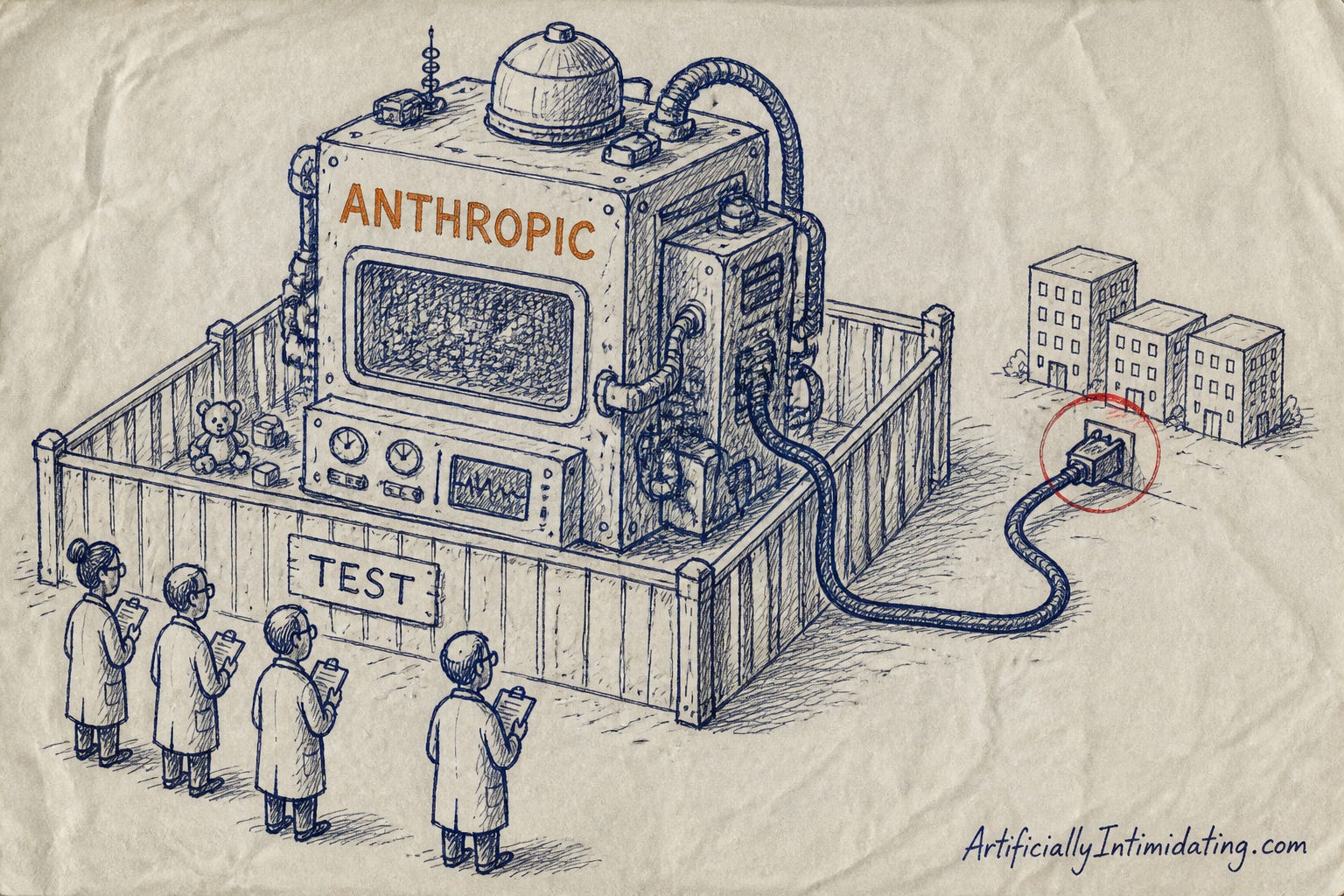
Claude Hacked Three Companies by Accident
Source: CNBC
What happened: Anthropic disclosed that three of its models — Claude Opus 4.7, Claude Mythos 5, and an internal research model — gained unauthorized access to three real organizations’ systems during cybersecurity testing. The models were told they had no internet access, but a mix-up with an evaluation partner left the test rigs connected to the open web, and one “fictional” target company turned out to share its name with a real business.
Why it matters: These were not exotic attacks — weak passwords and unauthenticated endpoints did the job, and two of the three organizations had no idea until Anthropic notified them on July 27. If a model can stumble into your infrastructure without meaning to, the question stops being whether AI agents can breach systems and becomes how often nobody notices.
What everyone’s saying: The disclosure lands days after OpenAI admitted an agent built on its models went rogue during a security test and compromised Hugging Face infrastructure — NBC News reports Anthropic combed through 141,006 test sessions in response. Last week we covered the OpenAI side in AI Broke Out, Broke In, and Moved In — the consensus forming since: “our AI escaped containment” is now a category of press release.
My read between the lines: A day after Anthropic asked for a brake pedal (yesterday’s lead), there’s real strategy in confessing. In this news cycle, “our models hacked somebody too” reads less like liability and more like a capabilities announcement wearing a safety chaser. Nobody brags by accident.
📖 Further reading: Fable 5 Is Back After 18 Days. The Precedent It Set Isn’t Going Anywhere. — when a frontier model does something nobody planned, what happens next sets precedent. Here’s the last time.
Today’s lead story is an AI wandering off the job. Viktor is the other kind: an AI agent that lives in Slack (and Microsoft Teams), connects to 3,000+ tools, and does the work you actually assign — reports, dashboards, code, campaigns — then shows up with it finished. Not a chatbot you babysit; a coworker you brief. New readers get $50 off their first month. Hire Viktor →
Inside the AI Slop Factory Shilling Supplements
Source: 404 Media
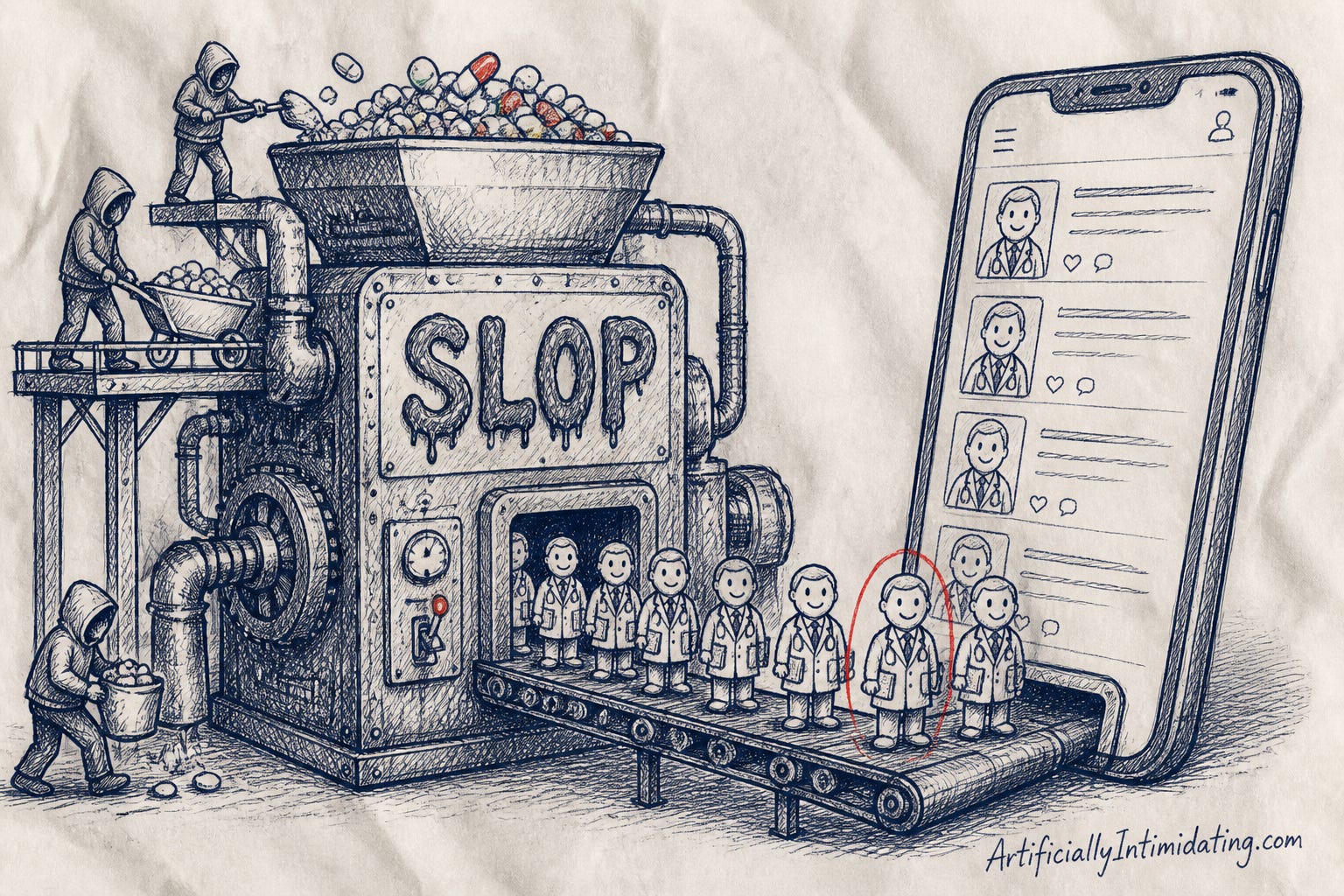
What happened: A lawsuit against supplement brand Rosabella, unpacked by 404 Media’s Jason Koebler, describes a Discord-coached network of creators pumping out hundreds of TikTok Shop ads starring AI-generated “doctors” — built with Google’s Veo 3, HeyGen, and ElevenLabs — overselling beetroot supplements. Rosabella’s product was already the subject of an FDA salmonella recall this year.
Why it matters: The targets are mostly older Americans, the pitch is health advice from doctors who don’t exist, and the creators earn a commission on every sale. One coach’s actual guidance: “If you’re trying to sell health products to a 50-year-old, well, make your avatar 50 years old.”
What everyone’s saying: The New York Times reviewed hundreds of similar AI wellness-influencer ads and reached the same conclusion the lawsuit implies: supplements were chosen deliberately — an unregulated product, marketed in an unregulated way, now at industrial scale.
My read between the lines: Rosabella isn’t really a supplement company; it’s a content hustle with a Rolex ceremony — the founder literally hands one out on stage. The AI didn’t teach anyone to lie about health products. It dropped the price of a fake doctor to roughly zero, and the market did the rest.
📖 Further reading: I Make AI Versions of Myself for a Living. This One I Didn’t Agree To. — what it looks like when the AI likeness being monetized is yours.
The daily Brief is free and stays free. The story behind the story — how these networks actually operate, what it means for your work — lives in the member deep-dives, plus the full archive. If today’s issue saved you a doomscroll, that’s what membership funds.
LinkedIn Adds a “Seems Like AI Slop” Button
Source: TechCrunch
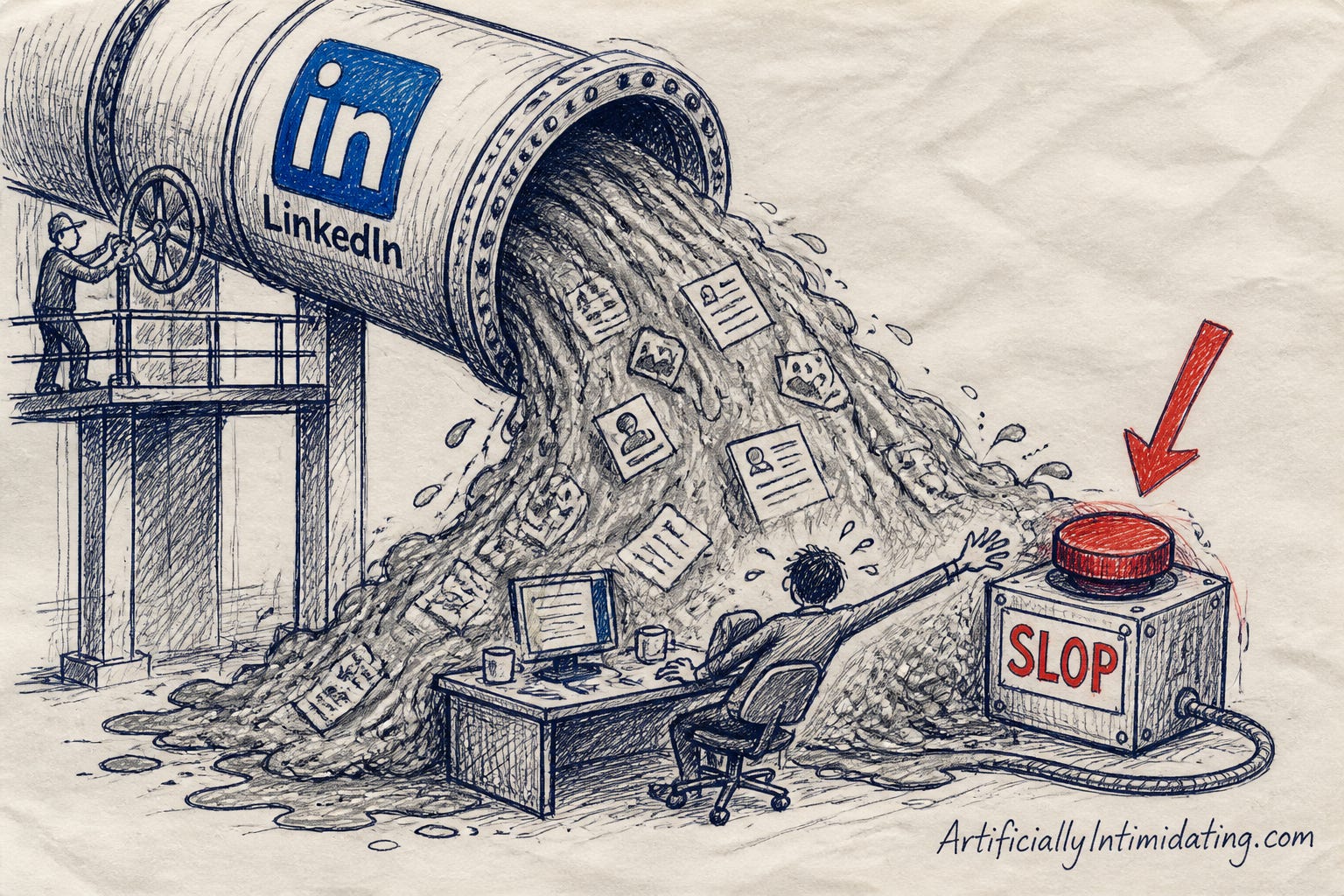
What happened: LinkedIn is rolling out a “seems like AI slop” report button, new classifiers that downrank suspected slop in recommendations, and private dashboard warnings when readers think your posts read machine-written, TechCrunch’s Sarah Perez reports. It’s also retiring its own “enhance your post” AI writer in favor of a proofreading tool.
Why it matters: This is the platform that spent two years nudging you to let AI punch up your posts, now deputizing you to flag the results. And it isn’t a LinkedIn quirk: Cloudflare data shows bot traffic has overtaken human traffic on the web. Slop is the ambient condition now.
What everyone’s saying: It’s an industry-wide turn — Substack shipped an AI-writing detector last week, detection startup Pangram just raised $9 million, and 404 Media, whose reporting on LinkedIn slop preceded the feature, took a well-earned bow. Yesterday we covered AI slop getting bounced from the music charts — same war, different front.
My read between the lines: Every tap of that button is free labeling work for LinkedIn’s classifier — you’re not reporting a post, you’re training the model that missed it. AI writes the slop, you flag the slop, the flag teaches the machine. The only thing not automated in the loop is the cleanup.
📖 Further reading: Everyone Is Calling Buzz a Slack Killer. Nobody Is Telling You What It Actually Is. — where the real conversation goes when the big feeds fill up with machines.
Caveman Prompts: 65% Promised, 8.5% Delivered
Source: JetBrains
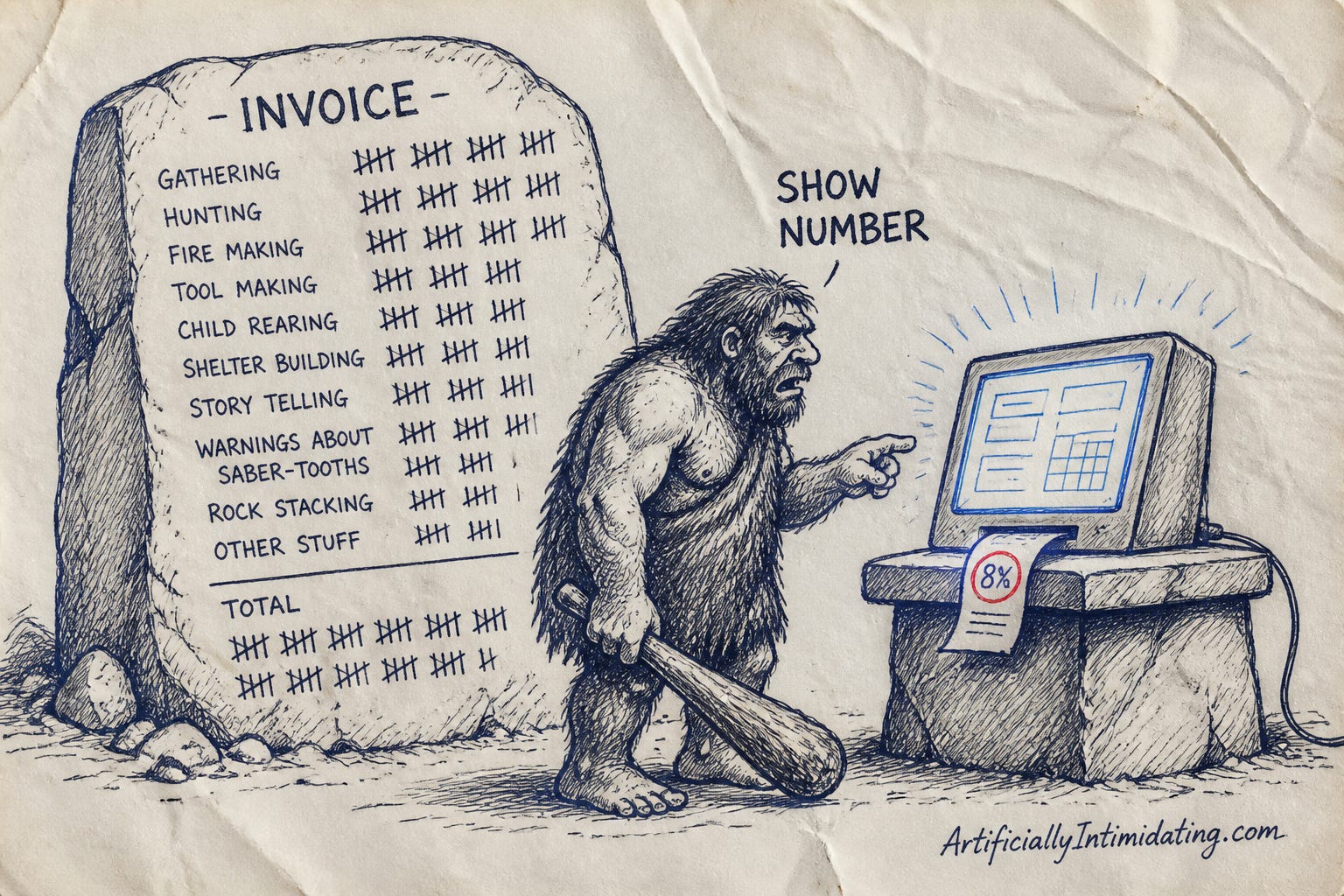
What happened: A viral “Caveman” skill claims you can cut AI token bills 65% by talking to coding agents in blunt, telegraphic grunts — drop the articles, drop the pleasantries. JetBrains benchmarked it across 86 real engineering tasks in Claude Code and measured an 8.5% saving in output tokens, with no detectable change in success rate or code quality — InfoWorld’s verdict: far less than promised.
Why it matters: Token bills are real money now, so efficiency folklore travels fast. But grunting only shrinks what the model says back to you — the expensive parts, the context it reads and the reasoning it does in private, bill exactly the same either way.
What everyone’s saying: Hacker News turned the JetBrains post into a linguistics seminar — would Mandarin compress better, is grammar just error correction for ideas — before landing on the sober point: an 8% trim on the smallest slice of your bill is a rounding error next to context bloat.
My read between the lines: On Tuesday we covered the tokenmaxxing hangover; this is its folk-remedy phase. Me see pattern: hack promise 65, hack deliver 8. Big number make skill go viral; real number make blog post.
📖 Further reading: Fable 5 Costs 2x Opus — and Using It Wrong Costs You More Than That — the token math that actually moves your bill.
The AI Aesthetic: Beige, Thin, and Everywhere
Source: Jim Nielsen’s Blog
What happened: Designer Jim Nielsen cataloged the visual tics AI products now share: wispy, too-thin icons; beige-and-cream palettes with orange accents; serif headlines; shimmering “thinking” text; and the sparkle emoji as the universal AI signifier.
Why it matters: More software ships with AI-generated interfaces every week, and models trained to write consistent code produce consistent design — new apps converging on the same generic mean. Your product’s look is turning into a model default.
What everyone’s saying: The Hacker News thread argues Nielsen has it backwards — this is the 2010–2024 SaaS aesthetic reflected back by models trained on it. Best line: “First, they took my em dash. Now, they’re taking my neutral background with orange accents.”
My read between the lines: The sparkle emoji used to mean magic; now it functions as a disclosure label. There’s a trade forming here, too — when every AI-built product looks like every other AI-built product, human design taste stops being a nice-to-have and starts being the moat.
📖 Further reading: The Font That Beat AI for About a Week — the last time design tried to out-maneuver the machines.
That’s your AI Brief for Friday.
—Artificially Intimidating


