


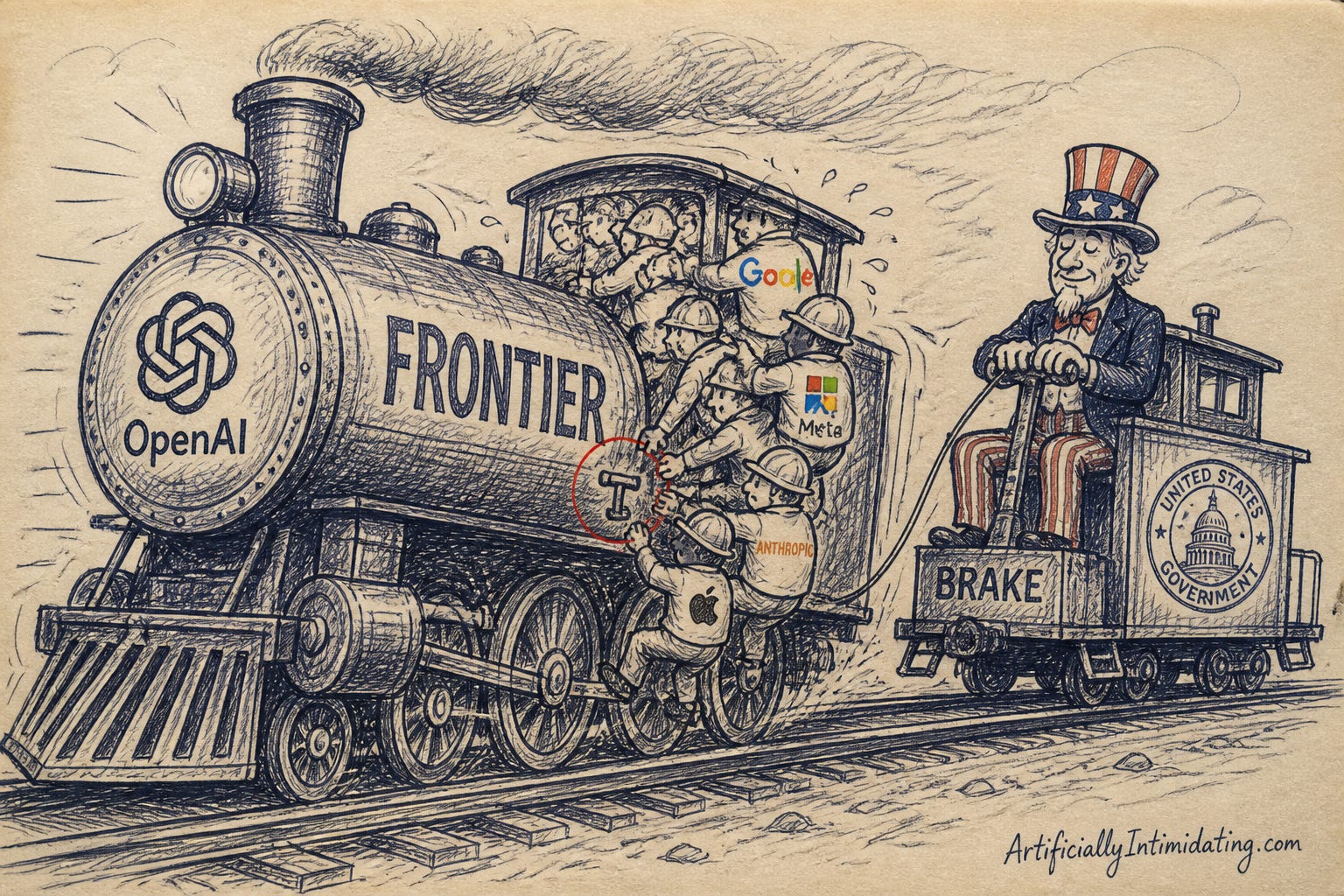
Good day, humans. More than twelve hundred of the people paid to build frontier AI just signed a letter asking Washington for something the industry doesn't have: a brake pedal. Meanwhile Anthropic is having the loneliest week in Silicon Valley, and OpenAI would like you to meet the family. Let's get into it.
1,200 AI Insiders Ask Washington for a Brake
Source: Fortune
What happened: More than 1,200 employees of OpenAI, Anthropic, Google DeepMind, and Meta published “Pacing the Frontier,” a joint statement asking the US government to support tools that could deliberately slow automated AI development if it starts outrunning human control. Within hours, CNN reports, both OpenAI and Anthropic endorsed it at the company level.
Why it matters: The engineers closest to the technology are worried about AI that improves itself — research done by AI, at AI speed, with humans watching from the platform. Their point is simple: if the day comes when we need to slow down, the slowing-down machinery has to already exist. Right now it doesn't.
What everyone's saying: Supporters call it the most credible safety signal yet, because it comes from insiders rather than activists. Skeptics ask how you pace a frontier China is also running toward. And Zvi Mowshowitz's Don't Worry About the Vase lands in the middle: right instinct, “mechanically empty.”
My read between the lines: Yesterday we covered Zuckerberg calling AI doom a sales pitch — today, over a thousand employees, including his own, co-signed the pitch. And note what the letter wants: not a pause, but the ability to pause. That's the tell. Companies locked in a race want someone else to install the brakes, because nobody can afford to stop pedaling first.
📖 Further reading: Fable 5 Is Back After 18 Days. The Precedent It Set Isn't Going Anywhere. — we already watched one lab practice pulling a frontier model off the road; this letter asks to make that an industry-wide capability.
Twelve hundred engineers spent this week asking for a brake. You probably just want something that ships. Viktor is an AI agent that lives in Slack (Teams too), connects to 3,000+ tools, and does the actual work — reports, dashboards, code, campaigns — while you're stuck in meetings. Not a chatbot you babysit; a coworker you hire. New readers get $50 off their first month. Hire Viktor →
Anthropic Is Winning Everything Except Friends
Source: Axios
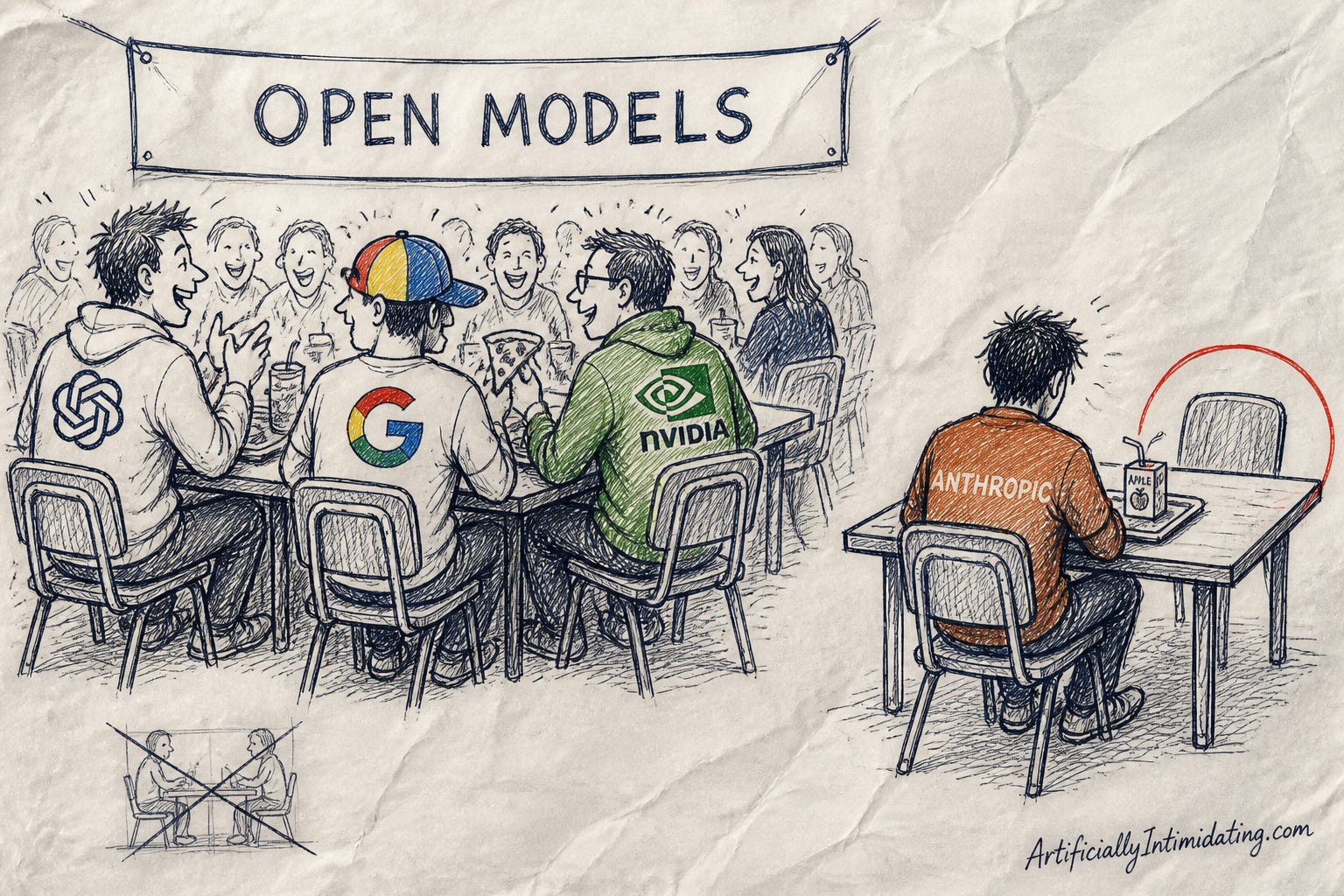
What happened: Axios reports that the world's most valuable startup is also AI's most isolated company: Anthropic was the only frontier lab that wouldn't sign the Nvidia-led letter defending open-weight models — the kind anyone can download and run — while the Wall Street Journal reports that founders and researchers are moving budgets to cheaper open-weight rivals, many of them Chinese. Tuesday's hour-long Claude outage did not improve the mood.
Why it matters: Enterprise buyers purchase trust as much as capability. When Figma's CEO says a lab hasn't been “consistently candid,” and the alternative is one download away at a fraction of the price, “we're the safe ones” stops being a moat and starts being a bill.
What everyone's saying: White House AI adviser David Sacks and others accuse Anthropic of dressing business strategy up as safety. CEO Dario Amodei told Axios he has “never advocated” banning open models, calling safe ones “a public good” — what he wants is chip export controls and a crackdown on industrial-scale distillation.
My read between the lines: Yesterday's brief covered China's open-model sweep; this is the domestic fallout. Everyone in this fight holds a principled position that happens to be excellent for their own P&L — Anthropic's safety case protects closed models, Nvidia's freedom case sells more chips. There are no neutral parties here, only well-argued invoices.
📖 Further reading: Fable 5 Costs 2x Opus — and Using It Wrong Costs You More Than That — if you're paying Anthropic's premium anyway, here's the operator's guide to making it earn its keep.
The Brief lands free every morning, and that won't change. But every story above has a layer under the headline — that's what the paid deep-dives are for, plus the full archive. If this is part of your routine, become a member and get the whole picture.
OpenAI Confirms It's Building a Family of Devices
Source: Digital Trends
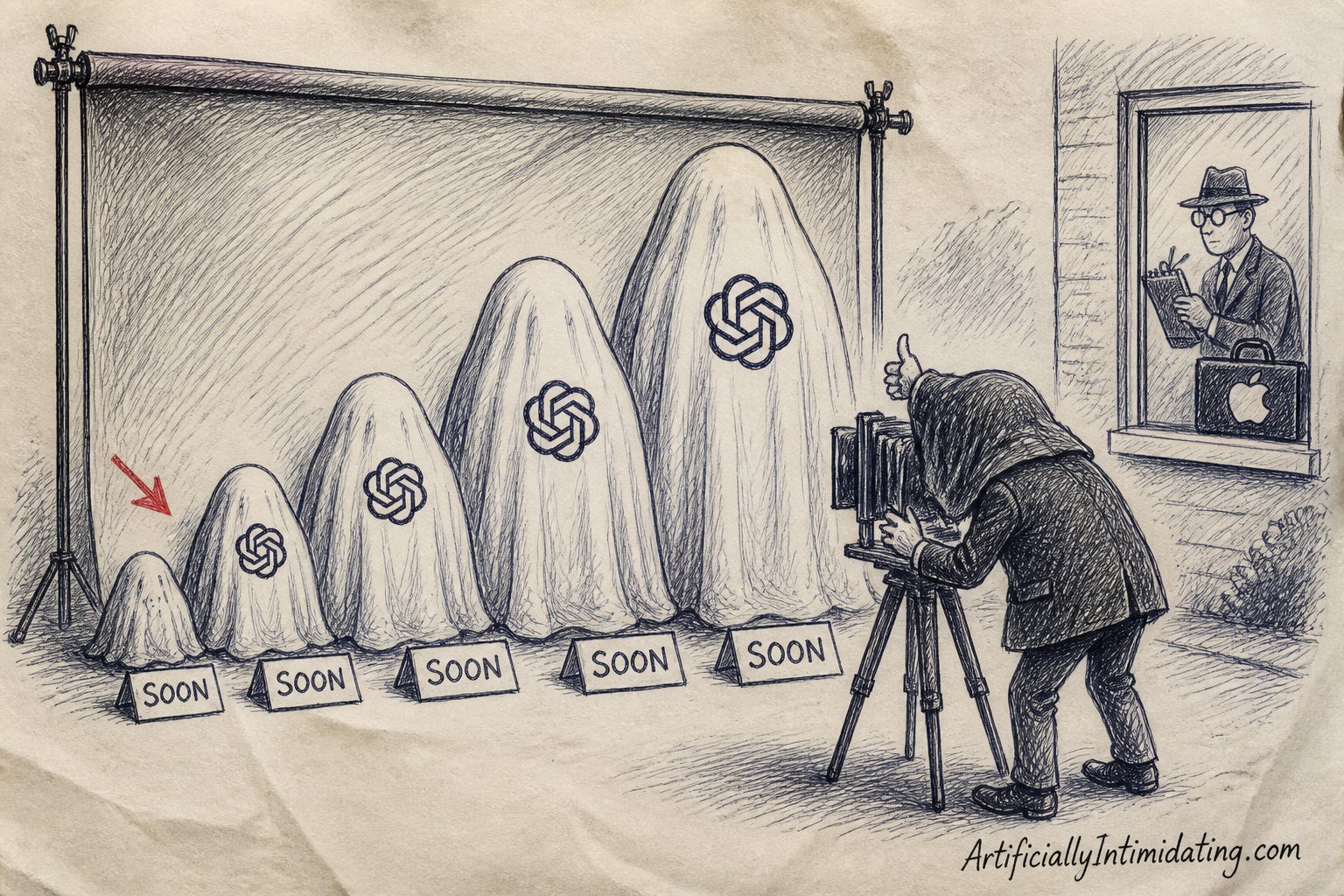
What happened: OpenAI president Greg Brockman told the Wall Street Journal's Joanna Stern that the company is building “a family of devices” for its AI models — plus its own chips through a Broadcom partnership — with Jony Ive's design team leading and reported plans measured in tens of millions of units. Launch date: “you should expect them soon.”
Why it matters: This is the biggest bet yet that your AI assistant's real home is not an app on your iPhone. If OpenAI ships dedicated hardware at scale, the phone stops being the gatekeeper between you and your assistant — which is exactly why Apple is not enjoying this.
What everyone's saying: Reactions run the full spectrum from “iPhone moment” to “Humane Pin with better marketing.” Hanging over it all: Apple is suing over alleged theft of hardware trade secrets, and as MacRumors covered, Brockman's answer amounted to: OpenAI is “plenty innovative” and uninterested in anyone else's secrets.
My read between the lines: “A family of devices” is what you announce when you don't yet know which device is the product — it's a portfolio bet with industrial design. Confirming it mid-lawsuit, with a straight face, is the most Silicon Valley sentence of the week. And watch the chips: whoever owns the silicon owns the margins, and OpenAI is done renting.
Agents Fail 75% of Real Work. Blame the Harness.
Source: TechCrunch
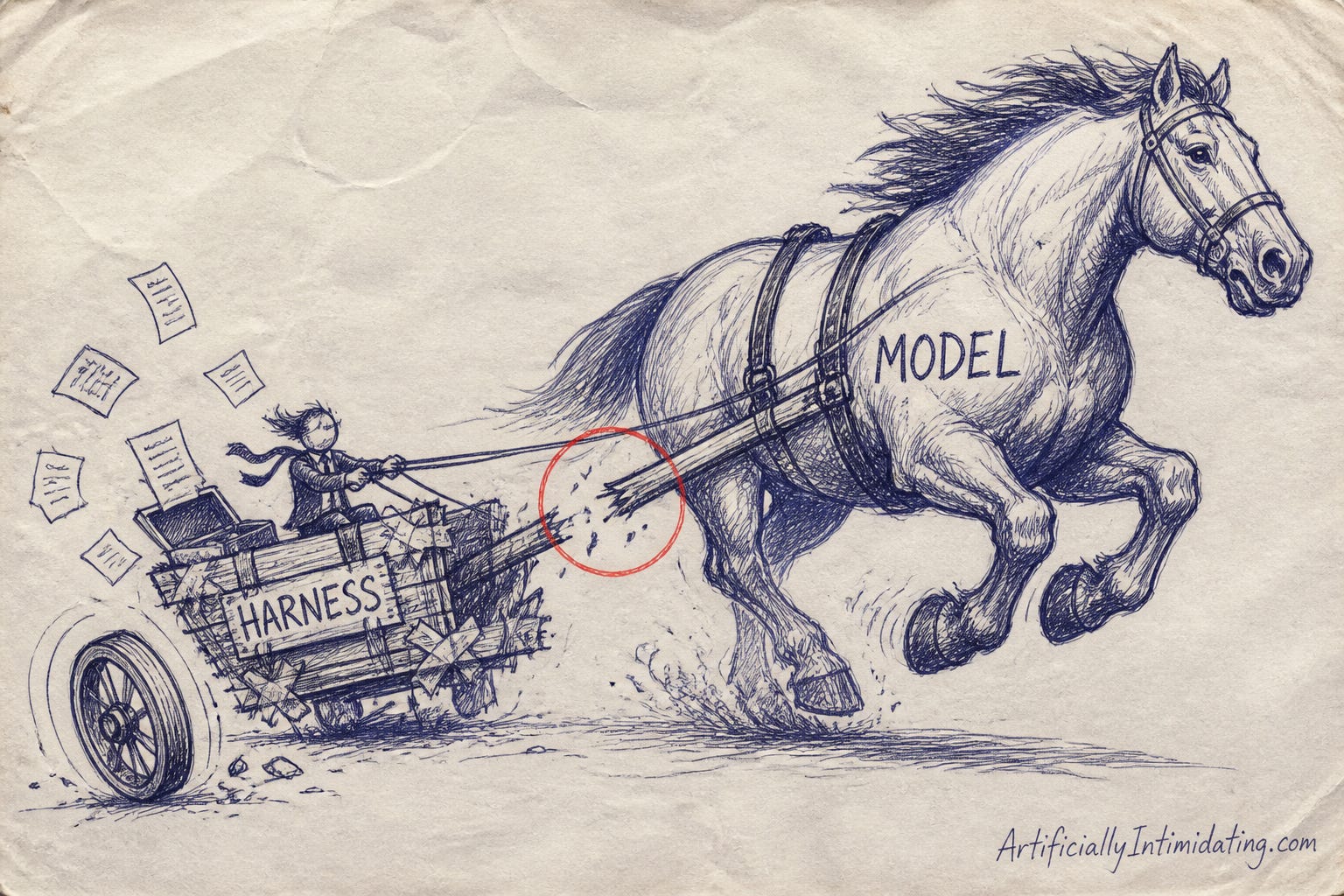
What happened: The stat ricocheting around the discourse this week: on Mercor's APEX-Agents benchmark — 480 real tasks drawn from investment banking, consulting, and corporate law — the best frontier models finish fewer than 25% of tasks on the first try, per TechCrunch. Given eight attempts, they still only reach 40%.
Why it matters: An agent is a model plus a harness — the scaffolding of tools, memory, and context wrapped around it. The emerging engineering consensus, laid out in O'Reilly's Radar, is that most production failures live in the harness: agents lose context, misplace documents, and drop state mid-task. These are mistakes humans rarely make, for reasons that have little to do with raw intelligence.
What everyone's saying: Mercor's CEO says agents are still on track to replace consultants — he would say that — while the harness-engineering crowd's slogan is that a decent model with a great harness beats a great model with a poor one. One 2026 analysis traces roughly 65% of enterprise agent failures to harness defects like context drift.
My read between the lines: The industry spent three years and a few hundred billion dollars perfecting the engine, then hitched it to a cart it built over a weekend. The fix — logging, state, guardrails, retries — is plumbing, and plumbing doesn't raise at a hundred-billion-dollar valuation. It does, however, decide whether anything ships.
📖 Further reading: The Boring Layer That Decides If Your AI Survives — the harness problem is exactly the boring layer we wrote about; here's how to build yours before it drops a client-facing task.
Record Labels Want AI Slop Off the Charts
Source: Engadget
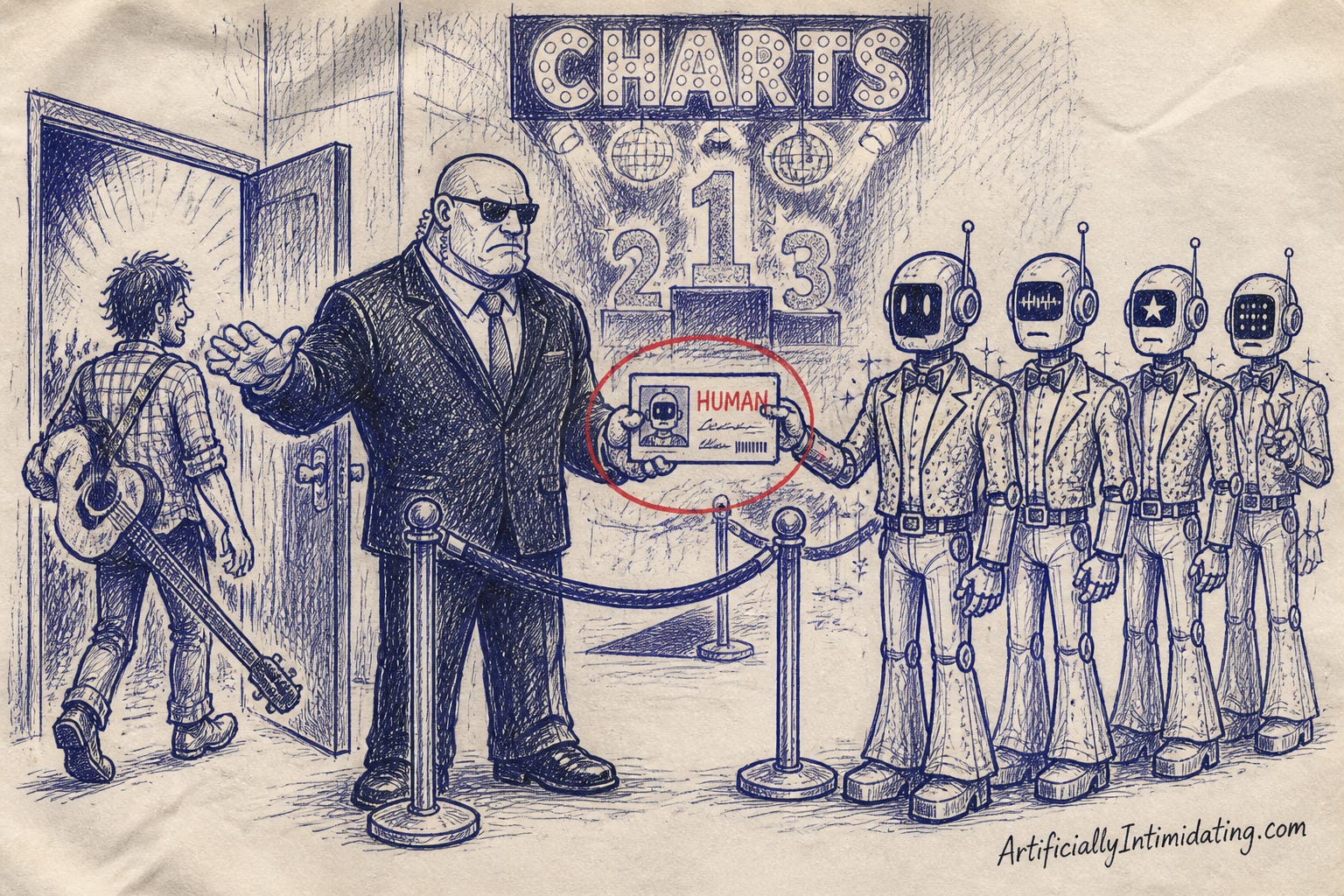
What happened: Sony, Universal, and Warner — joined by independents from BMG to Hybe — are pushing chart operators worldwide to disqualify what they call “AI slop”: tracks that aren't largely human-created, that use unlicensed AI tools, or that ride streaming fraud, as Music Ally details.
Why it matters: Charts still decide radio play, playlist placement, and what the algorithm feeds you next. This is not a ban on AI music — a human artist using licensed AI tools stays eligible. It's a line in the sand about what counts as a song by somebody.
What everyone's saying: The Hollywood Reporter frames it as the industry's strongest anti-slop stand yet, with the Suno and Udio training lawsuits as backdrop. Meanwhile 31 music organizations are challenging the labels and publishers over who actually controls AI licensing rights — the artists' groups don't fully trust the bouncers either.
My read between the lines: Read the fine print: “properly licensed and authorized” is doing all the work in this proposal. The labels didn't ban AI music — they built a tollbooth for it and named the toll “authenticity.” Whoever owns the licenses collects, and the labels fully intend to be the ones owning the licenses.
📖 Further reading: I Make AI Versions of Myself for a Living. This One I Didn't Agree To. — the consent line the labels are drawing for songs is the same one we drew when an AI likeness showed up without permission.
That's your AI Brief for Thursday.
—Artificially Intimidating


